New Discoveries at the 8,500-Year-Old Heart of İzmir
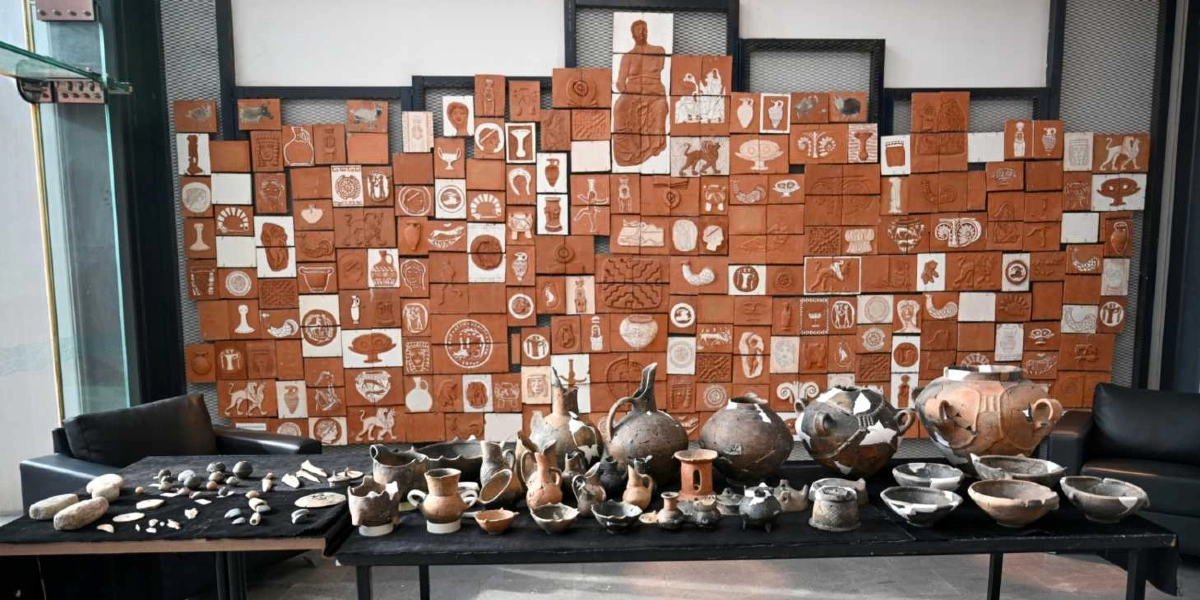
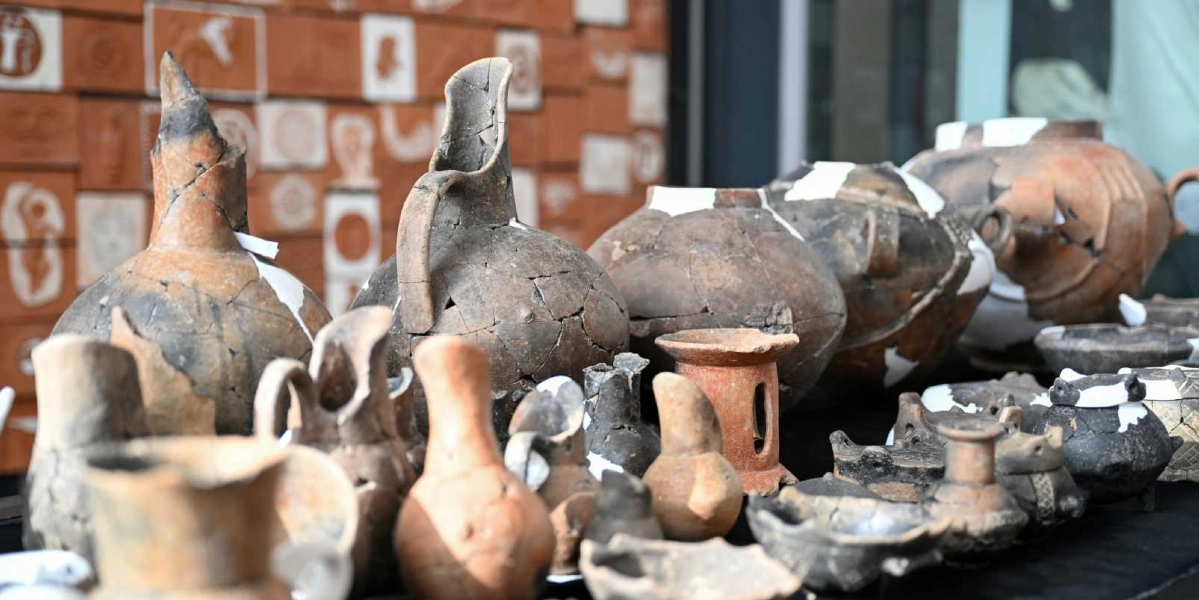
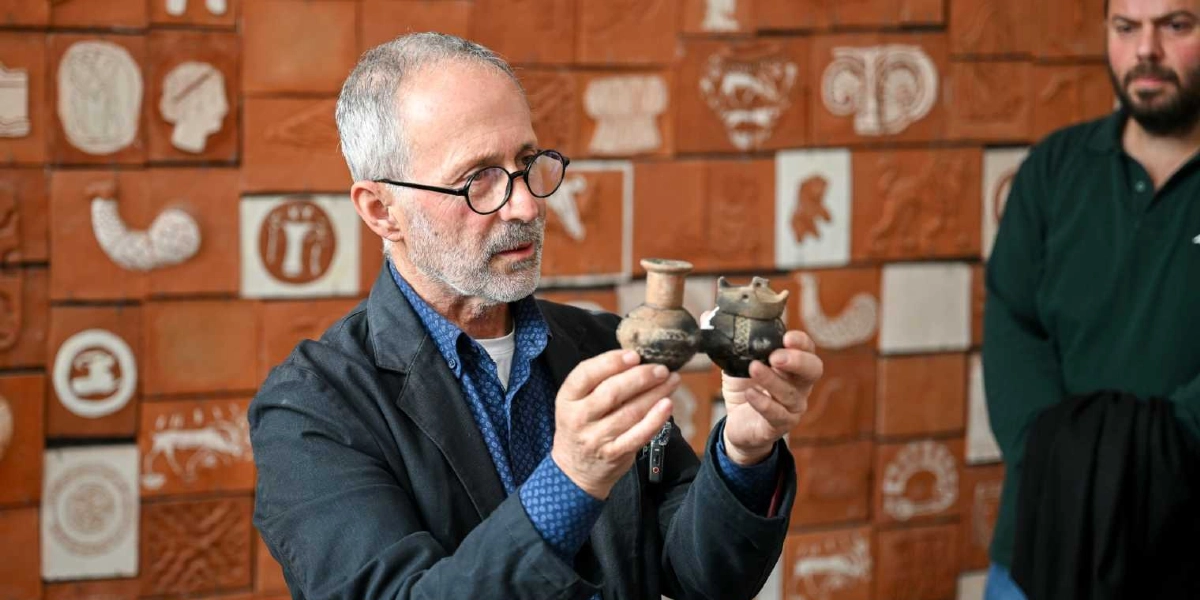
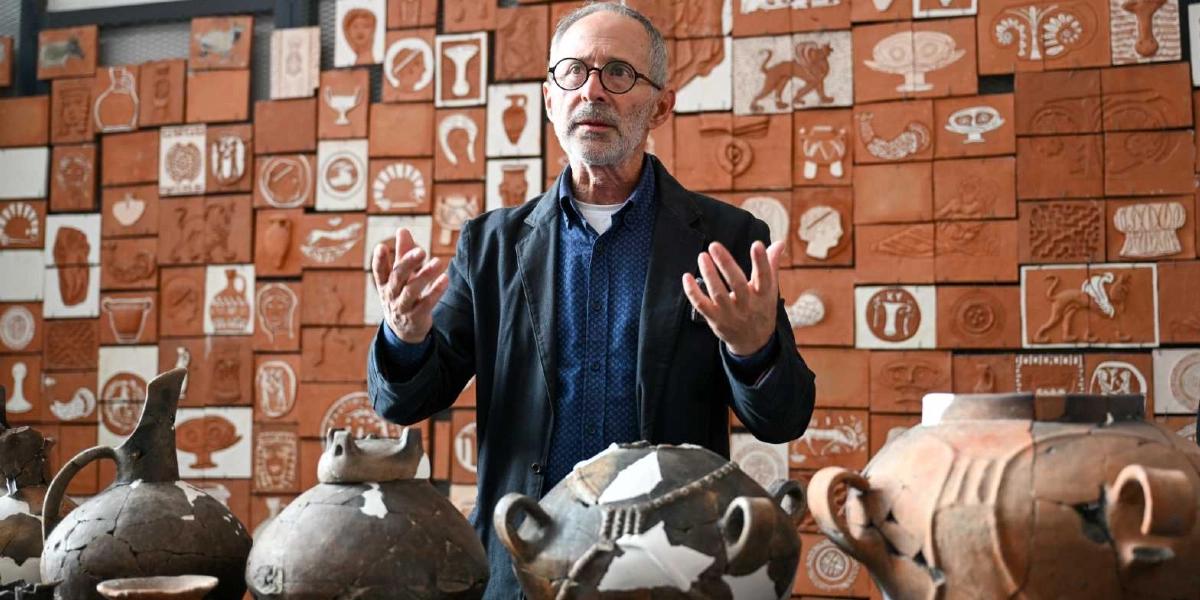
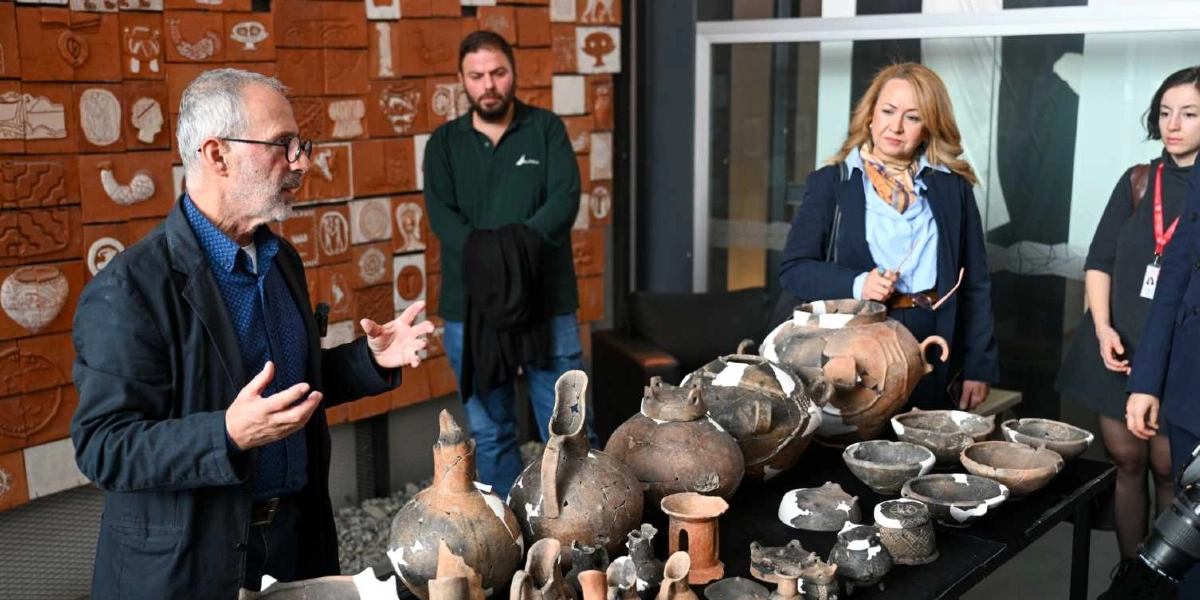
Female figurine and 5,000-year-old ritual vessels unearthed in Bornova Yassıtepe
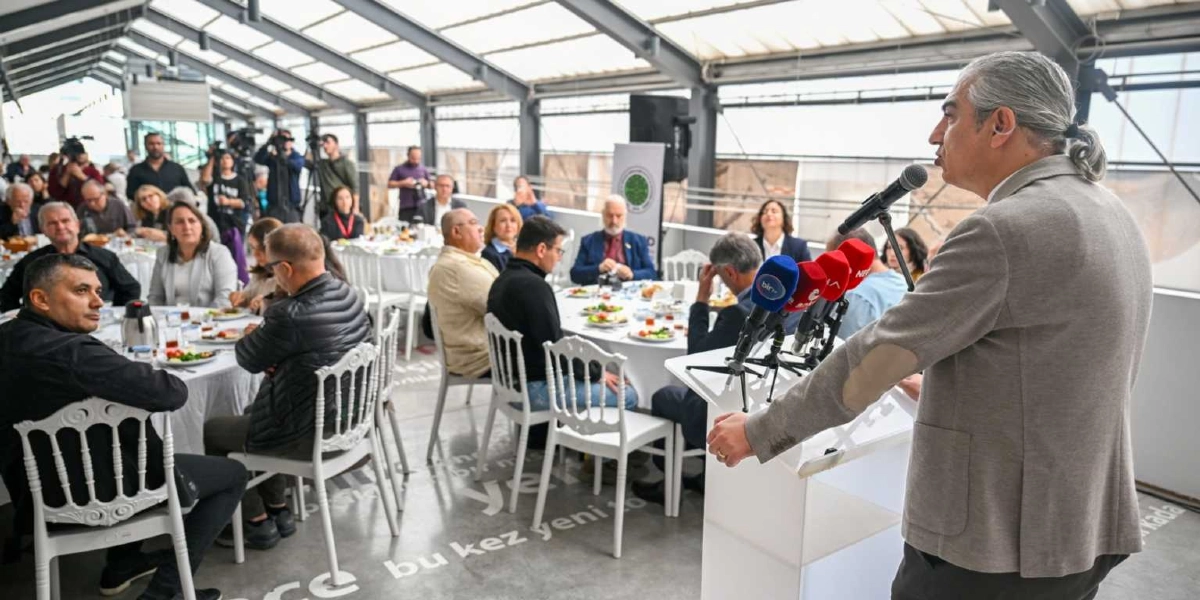
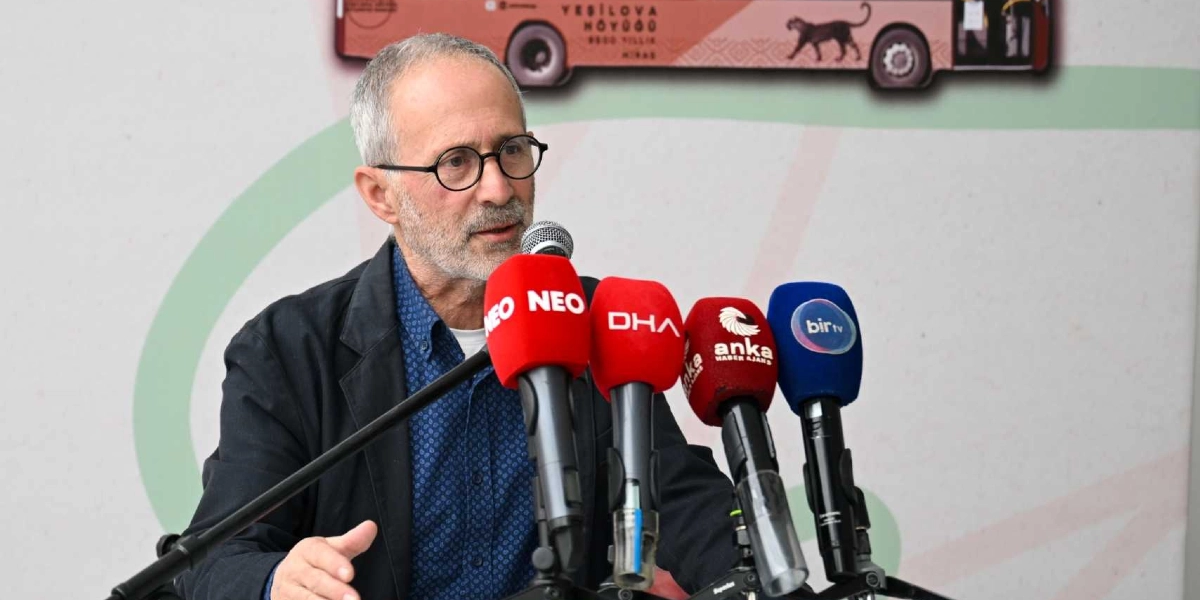
New findings illuminating İzmir’s 8,500-year-old past have emerged from the ongoing excavations at Yeşilova and Yassıtepe Höyüks. This season’s work in particular revealed 5,000-year-old specialized vessels decorated with necklace-like reliefs in Yassıtepe. Excavation Director Assoc. Prof. Zafer Derin emphasized that these discoveries highlight the importance of women in the social life of the period and mark the beginnings of urbanization in İzmir. The artifacts were presented at the Traditional Excavation Season Closing Breakfast held at Yeşilova Höyüğü Visitor Center, hosted by Bornova Municipality.
Excavations at Yeşilova and Yassıtepe Höyüks—sites that extend İzmir’s known history back 8,500 years—were completed for the year. Supported by the Ministry of Culture and Tourism, İzmir Metropolitan Municipality, Bornova Municipality, and Ege University, the work uncovered vessels with necklace motifs believed to be associated with female figures and ritual practices.
“Women played a significant role in Yassıtepe”
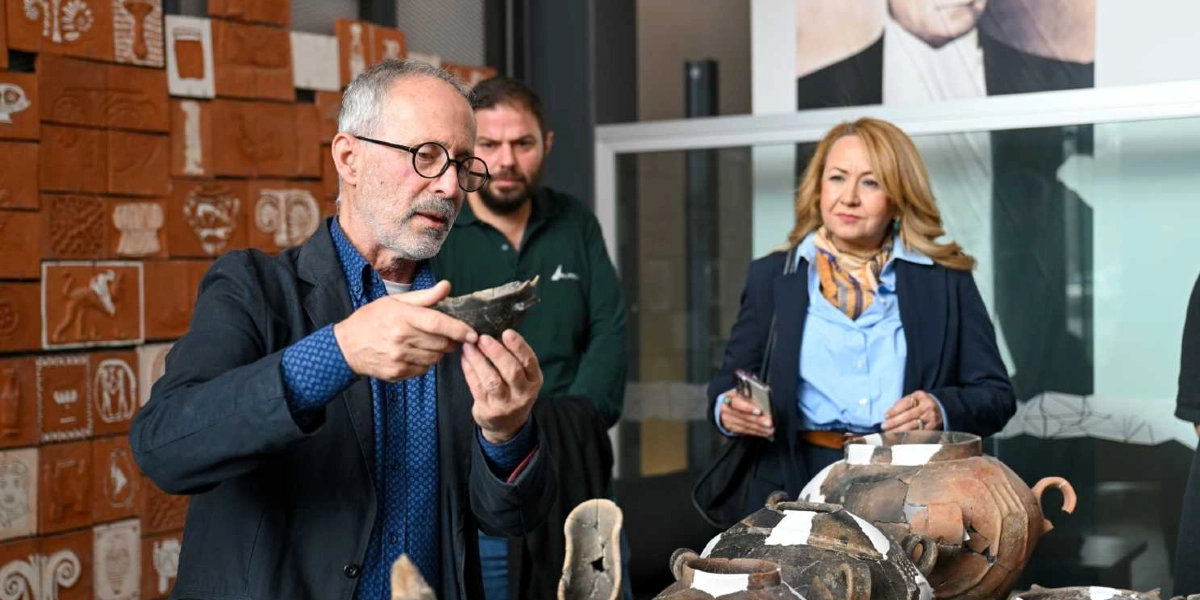
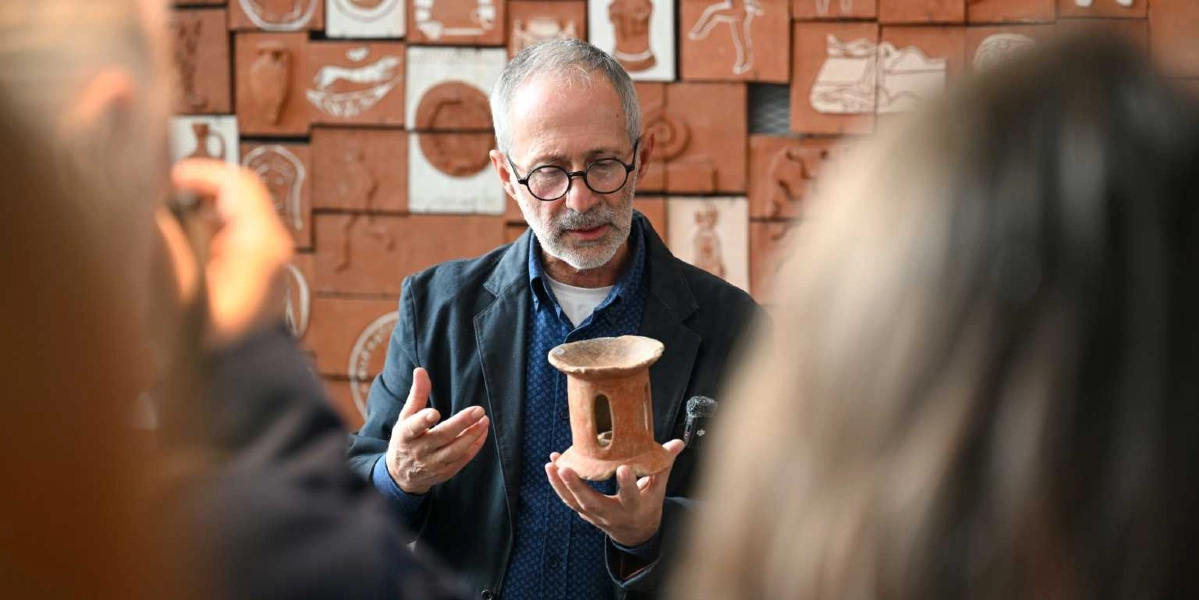
Assoc. Prof. Zafer Derin of Ege University, speaking at the Excavation Closing Breakfast held at Yeşilova Höyüğü Visitor Center, showcased the most notable discoveries of the 2025 season.
He said:
“This is not only a closing for 2025, but also the beginning of new steps for 2026. Our goal is to contribute new knowledge to the city in terms of tourism and science. We are excavating İzmir’s earliest village settlement as well as its first urban settlement.”
Derin noted that this year’s excavations focused particularly on the “Legacy to the Future Project” area at Yassıtepe:
“In the Early Bronze Age settlement believed to have been destroyed by an earthquake around 2800 BCE, we found hundreds of pottery pieces. Many of these are special vessels dedicated to women. The necklace-patterned vessels, reminiscent of female imagery, reveal important insights into belief systems and social structures of that time.”
İzmir’s first urban life began in Yassıtepe
Derin emphasized that the findings demonstrate İzmir’s urbanization process began 5,000 years ago:
“These vessels represent the period when commercial and cultural life began in the city. Some artifacts are perfectly intact, while others were meticulously restored. Many were designed to hold liquids, providing significant information about daily life during that era.”
He also stated that the Yeşilova Höyük Visitor Center hosted over 20,000 visitors this year:
“It is the only center in Türkiye where visitors are guided directly by archaeologists. It’s a challenging but exemplary model.”
“Local governments carry immense cultural responsibility”
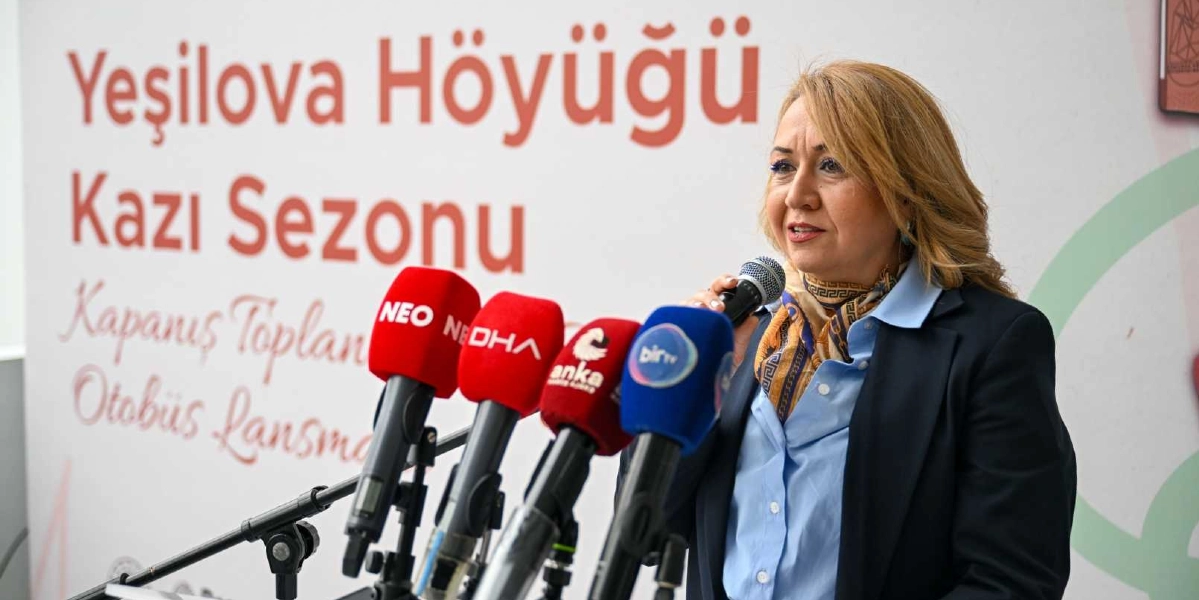
Bornova Deputy Mayor Duygu Bölük highlighted the importance of the municipality’s support for the excavations:
“In our country, there are sometimes shortcomings in protecting historical heritage. As Bornova Municipality, recognizing this value and sustaining preservation awareness is immensely important to us.”
KAYED President Halil İbrahim Aktaş added:
“These höyüks are a great treasure right under our noses. With assets like Homeros and its archaeological richness, Bornova is progressing toward becoming not just an Aegean gem, but a global one.”
Following the traces of the past, shedding light on the future
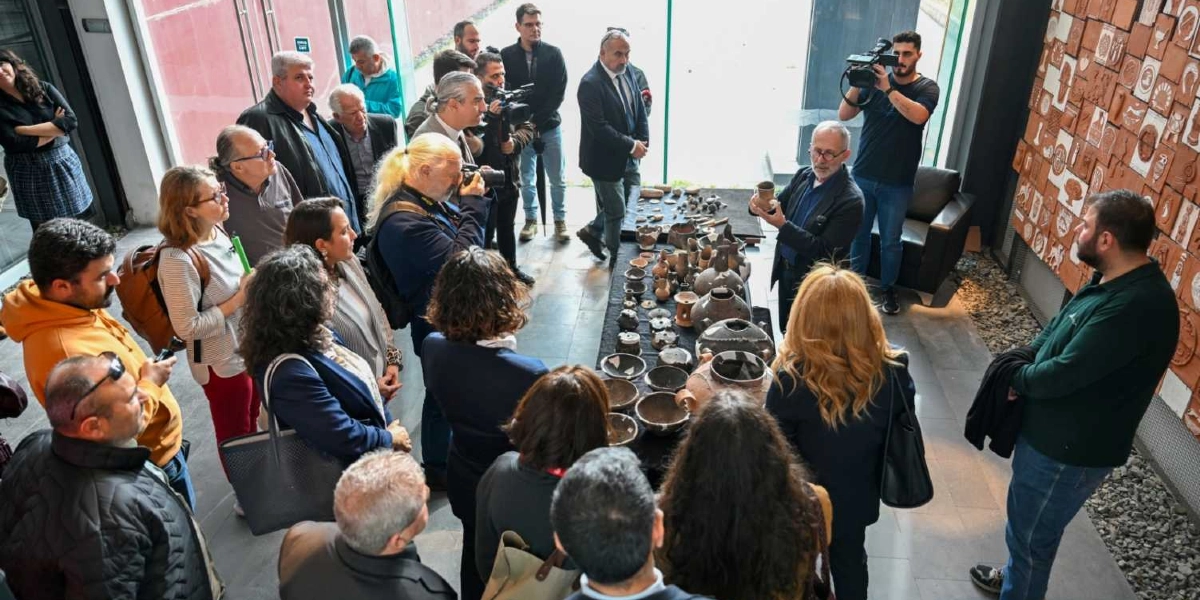
Following the speeches, participants toured the exhibition area displaying the newly uncovered artifacts. Visitors viewed libation (votive) vessels and pottery decorated with necklace motifs, witnessing the İzmir of thousands of years ago. The excavations—supported by İzmir Metropolitan Municipality, Bornova Municipality, Ege University, and the Ministry of Culture and Tourism—will continue in 2026.