Nature-Based Solutions to Drought from Bornova
Experts Warned, the Municipality Implemented Solutions in the Field
At the “Solutions to Drought Panel” hosted by Bornova Municipality, experts emphasized the strategic importance of water in the face of the climate crisis. They highlighted the need to reduce water use in agriculture, retain rainwater in soil, and strengthen nature-based solutions. The panel concluded with a field demonstration of a rain trench application.
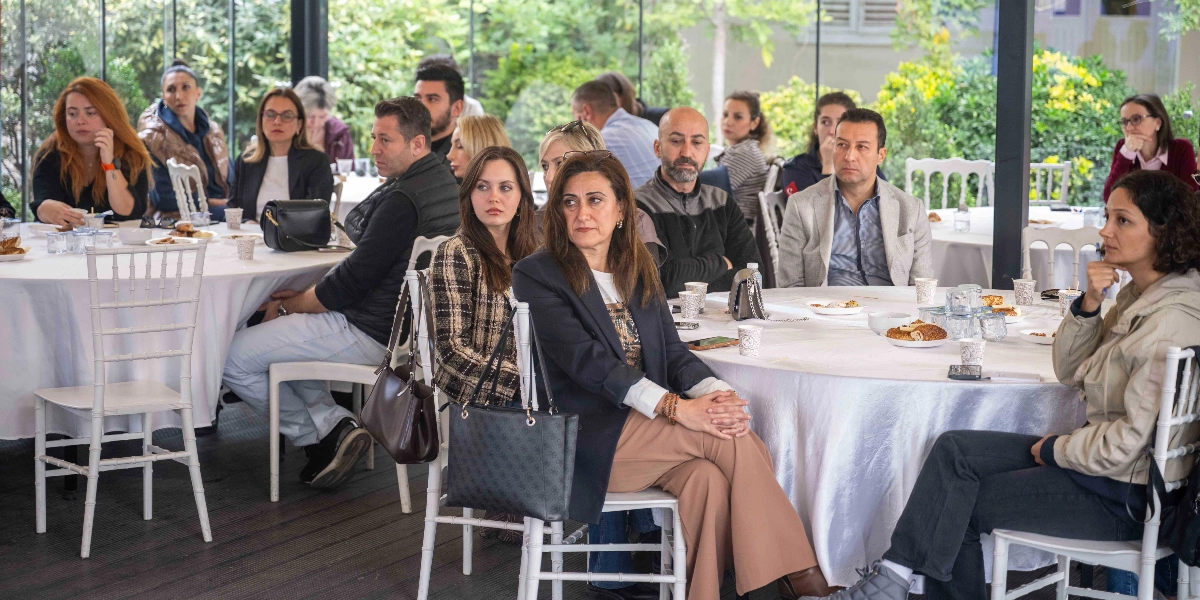
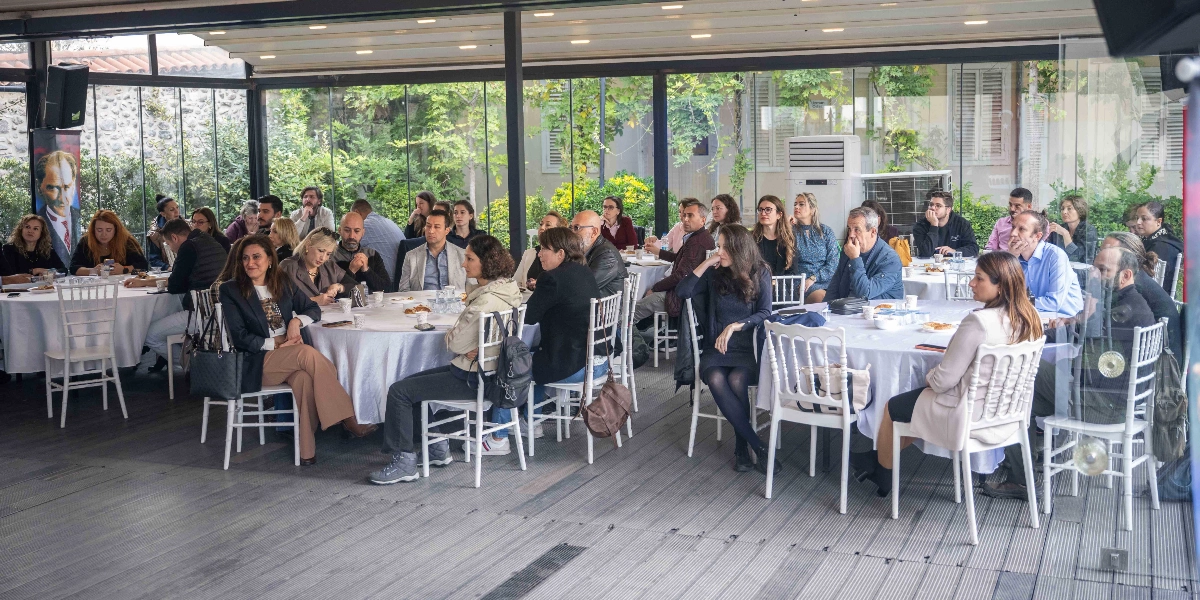
Organized in cooperation with Ege University and Yuva Association, the panel took place at the Dramalılar Köşkü. The discussions focused on the impacts of climate change on water resources, water efficiency in cities, nature-based solutions, and the fragile relationship between rural and urban water systems.
“Water management is not a matter of municipal service — it is a matter of survival”
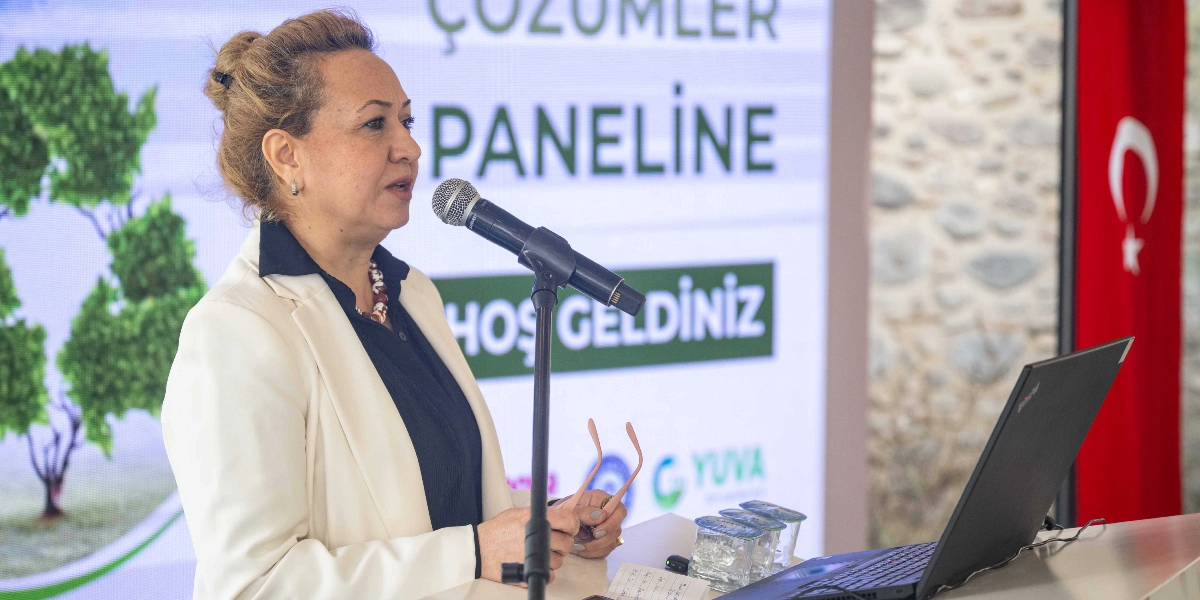
The event also included the launch of www.susuzlugacozumler.org. Speaking at the opening, Bornova Deputy Mayor Duygu Bölük highlighted Bornova’s climate adaptation efforts:
“Water is now the number-one priority for all cities. As a member of the Healthy Cities Association, we are preparing extensively—from rainwater harvesting and cistern systems to nature-based solutions. This issue has become a crisis that threatens our entire future.”
“Water retained in rural areas increases the safety of Bornova’s city center”
Yuva Association President Erdem Vardar emphasized that most water consumption occurs in agriculture:
“More than two-thirds of the water used in Türkiye is still consumed in agriculture. If we can keep water in rural soils, we fight not only drought but also floods, overflows, and erosion. Every correct practice implemented in Bornova’s rural areas directly increases the safety of those living in the city center.”
“It rains, and we watch — but we can retain that water”
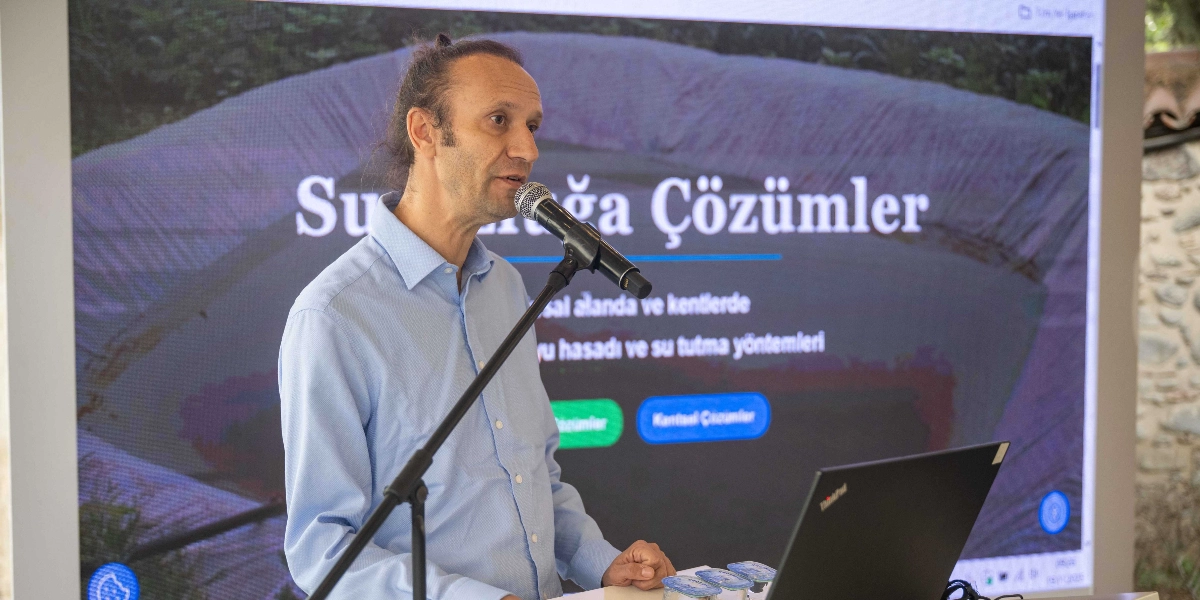
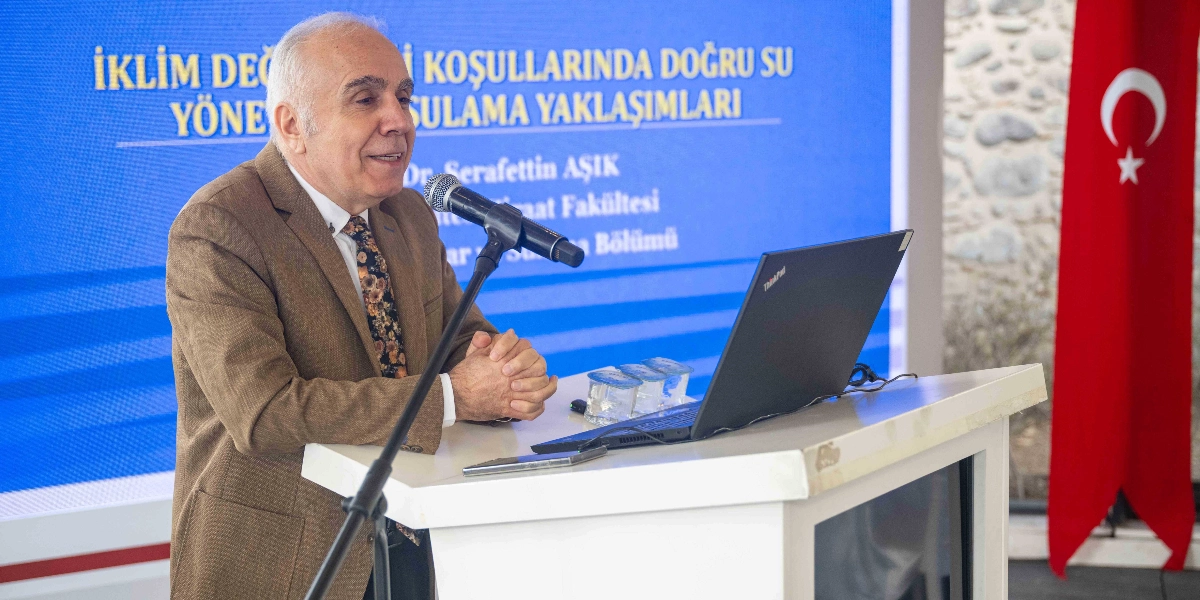
Speaking on “Proper Water Management and Irrigation Approaches under Climate Change,”
Prof. Dr. Şerafettin Aşık of Ege University’s Faculty of Agriculture stressed the need to reduce agricultural water consumption:
“Rain falls from the sky, yet we send it rapidly to the sea. Instead of talking, we must focus on retaining rainwater. Digital agriculture, sensor-based monitoring, and AI-assisted water management can increase efficiency in farming.”
He noted that water must now be treated as a strategic resource.
“Nature-based solutions are the new defense line of cities”
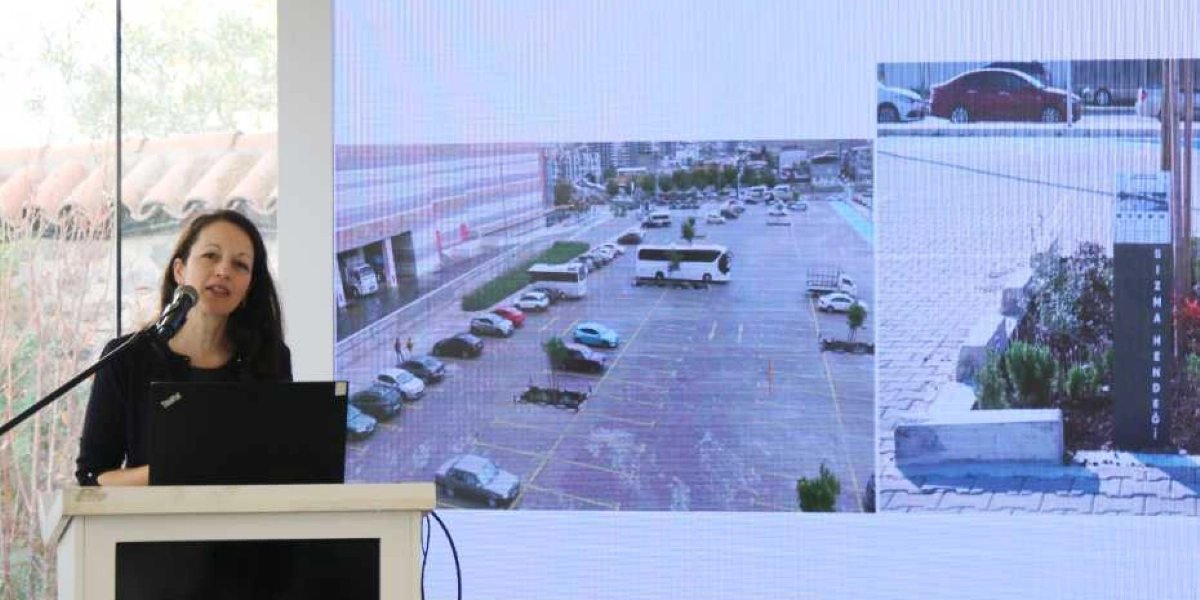
Prof. Dr. Çiğdem Coşkun Hepcan from Ege University’s Department of Landscape Architecture spoke on “Nature-Based Solutions and Water Retention Approaches in Cities.”
She emphasized their indispensability:
“To make cities more resilient to the climate crisis, we must strengthen green infrastructure alongside grey infrastructure. Rain gardens, permeable surfaces, bioswales, and ecological corridors are no longer luxuries—they are necessities.”
She also underlined the multi-layered planning power of landscape architecture in improving urban water efficiency.
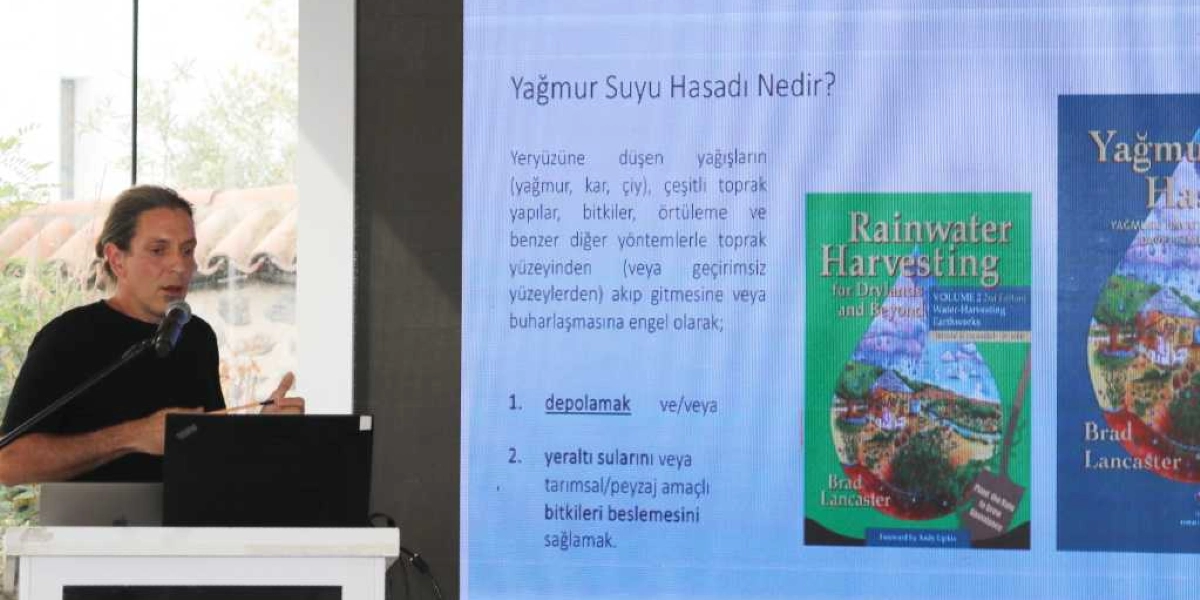
Yuva Association trainer Emre Rona, in his talk on Rainwater Harvesting and Rural Water Retention, stated:
“No city can protect itself from climate risks without increasing the soil’s water retention capacity.”
He also emphasized that green infrastructure in peri-urban areas plays a critical role in reducing disaster risks.
Rain trench demonstration drew great interest
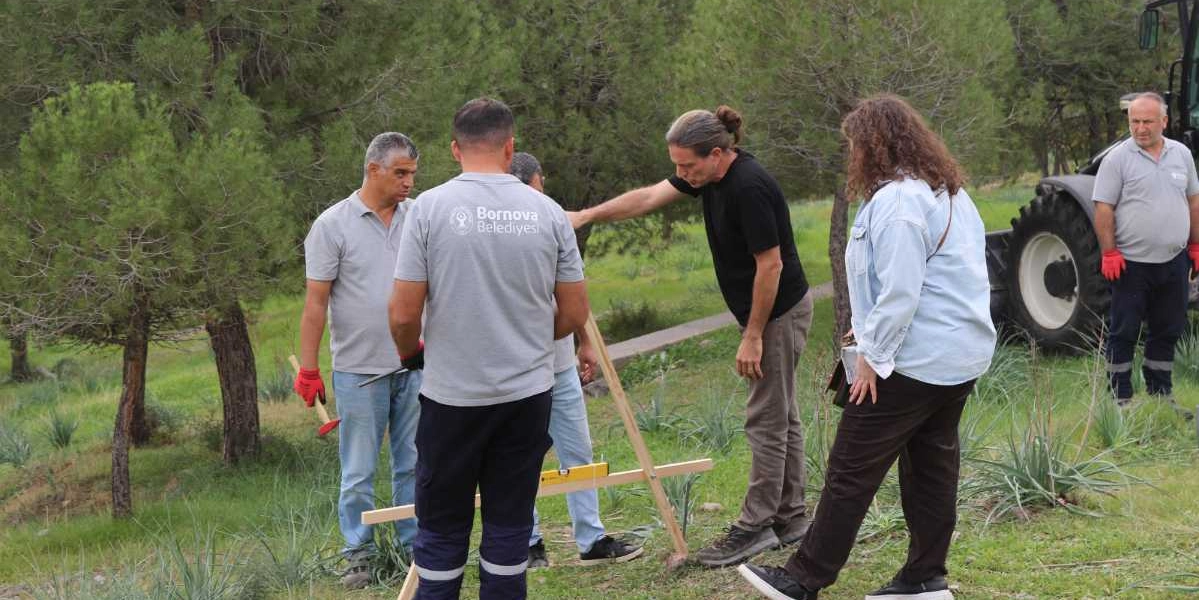
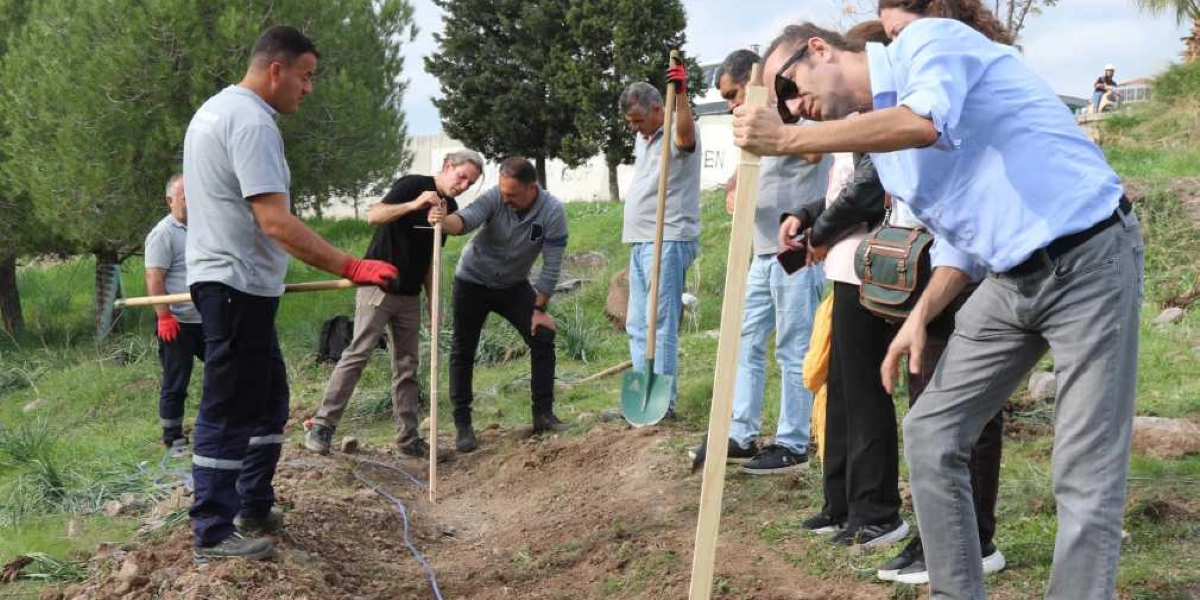
After the panel, attendees examined a rain trench demonstration prepared by Bornova Municipality teams. The practice, which reduces surface runoff and increases soil water retention, attracted significant attention as an effective nature-based solution.
The Municipality Expands Its Water Efficiency Efforts
Bornova Municipality announced that it will continue expanding its work on climate adaptation, water efficiency, and nature-based urban planning. The panel also facilitated inter-institutional knowledge exchange with the participation of İZSU, district municipalities, the District Directorate of Agriculture and Forestry, and technical staff.