Mayor Eşki Presented Bornova’s Vision to European Cities

Emphasis on "Digital Twin" and Local Financing in Brussels
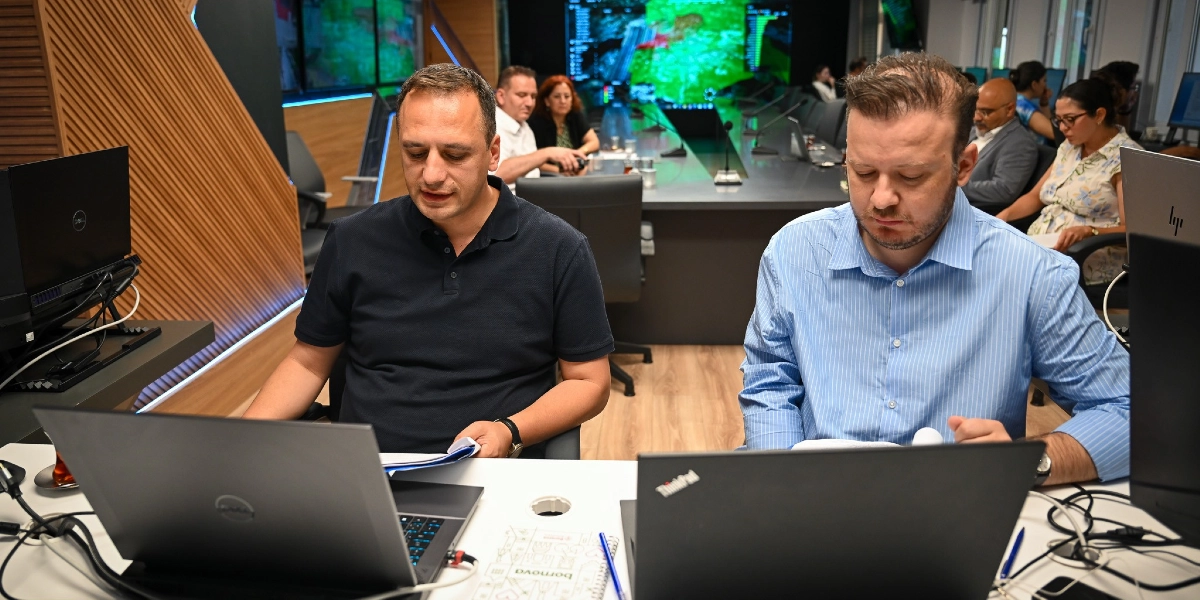
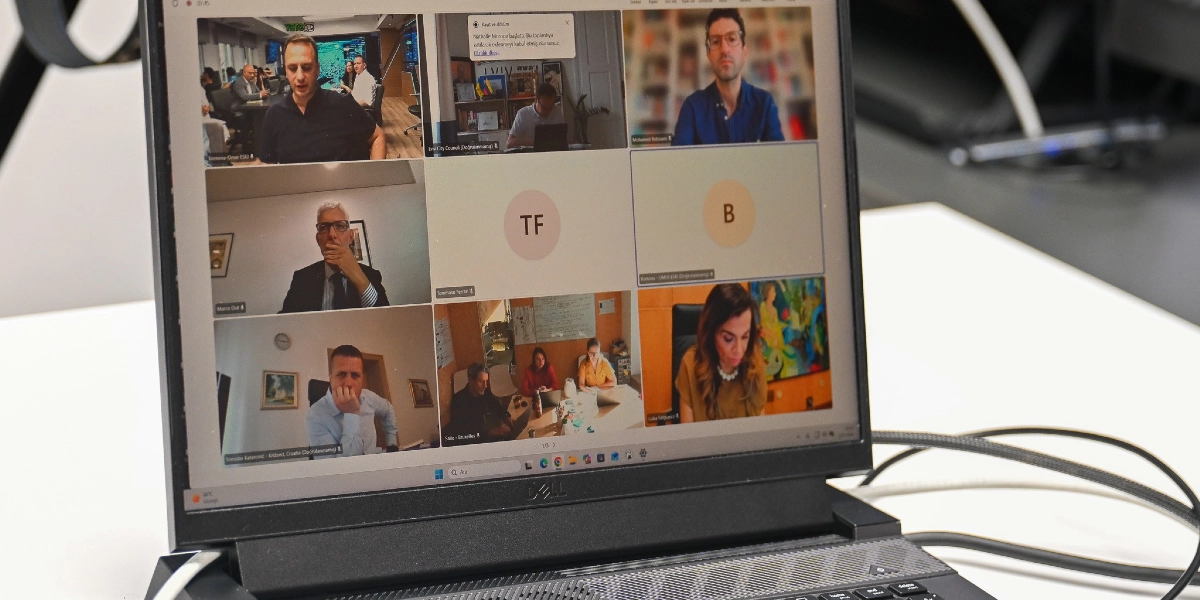
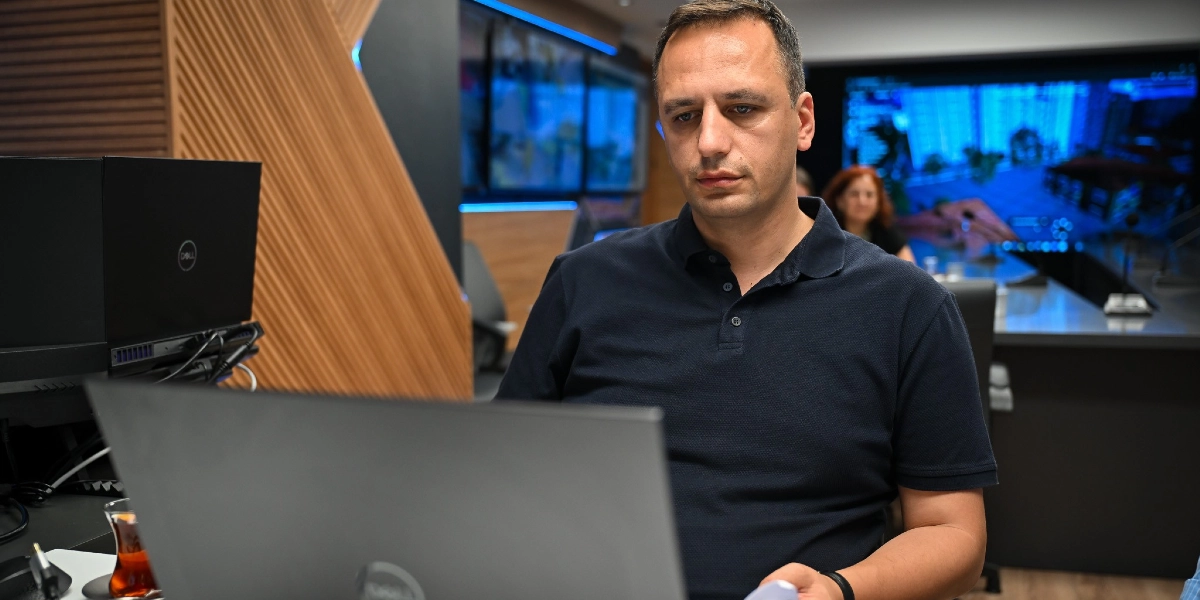
Bornova Mayor Ömer Eşki participated in the online meeting of the Energy Cities Executive Committee, where he presented Bornova’s vision through its Digital Twin project and 1.2 MW local renewable energy investments. Calling for direct local financing instead of centralized bureaucracy, Mayor Eşki also expressed his determination to host a future European Energy Cities summit in İzmir.
A Hybrid Summit Against Global Crises: The Brussels–Bornova Energy Connection
The Energy Cities Executive Committee Meeting, focusing on energy security and climate resilience for European cities, was held in a hybrid format from Brussels. During the international summit, representatives shared experiences from Lviv, Ukraine, which has maintained energy security despite wartime conditions, and Viable Cities, Sweden’s national climate-neutral cities initiative. Bornova Municipality’s visionary projects also took center stage.
Mayor Ömer Eşki, who was elected to the Energy Cities Executive Committee at the organization's General Assembly in Guimarães, Portugal, last April, delivered a keynote presentation outlining Bornova’s urban transformation and green energy goals.
Bornova’s Digital Twin and a 1.2 MW Clean Energy Initiative
Mayor Eşki stated that Bornova has adopted a vision centered on Green, Urban, and Digital Transformation, announcing that the municipality has developed a Digital Twin of the city to enable data-driven climate action and urban management.
Highlighting the municipality’s goal of reducing dependence on centralized energy systems, Eşki said:
"We are already generating clean energy through our existing solar power plants. With new rooftop solar projects and additional planned investments, we will soon increase our total installed renewable energy capacity to 1.2 MW. Our goal is to transform municipal buildings into decentralized energy-producing facilities."
Bornova’s Call to the EU: "We Must Overcome Centralized Bureaucracy"
During his speech, Mayor Eşki drew attention to the legal barriers facing energy communities and the centralized bureaucratic structures that make access to green financing more difficult. Addressing the European Union’s 2028–2034 Multiannual Financial Framework (MFF), he called on the Energy Cities network to advocate for direct funding mechanisms that would enable local governments to access EU resources without excessive national-level bureaucracy.
He also stressed the importance of strengthening the technical capacity of local governments and expanding social housing policies as part of efforts to combat energy poverty.
Mayor Eşki Invites Europe to Bornova
Inviting international delegations to witness Bornova’s achievements firsthand, Mayor Ömer Eşki concluded:
"We sincerely hope to host a future meeting of the Energy Cities Executive Committee in Bornova and, in the coming years, to once again organize the Energy Cities Annual Forum in our city."
With this invitation, Mayor Eşki reaffirmed Bornova’s ambition to become one of Europe’s leading cities in green energy, digital innovation, and sustainable urban transformation.