Mayor Eşki: “Digitalization Is Not a Choice, It Is a Necessity”
He Outlined the Digital Transformation Vision at the Disaster-Resilient Cities Panel
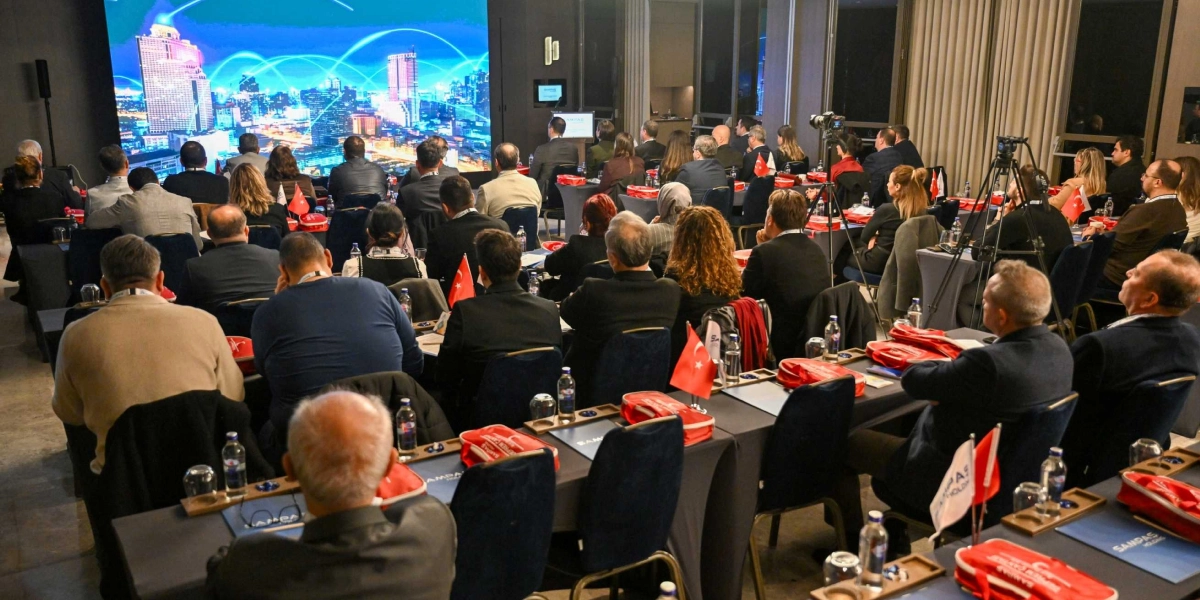
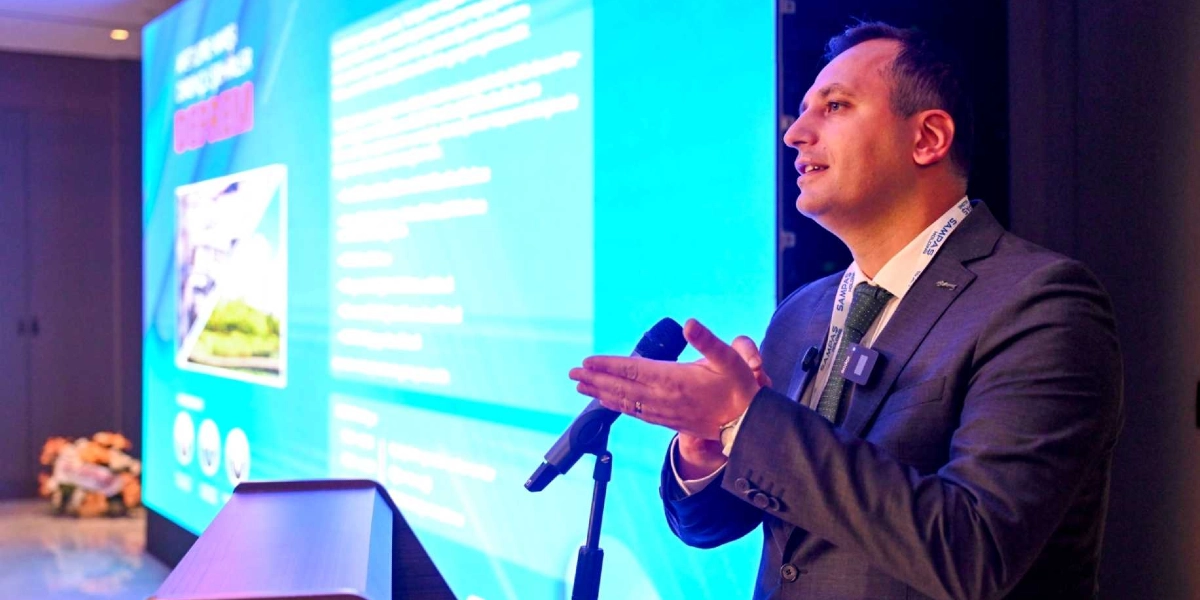
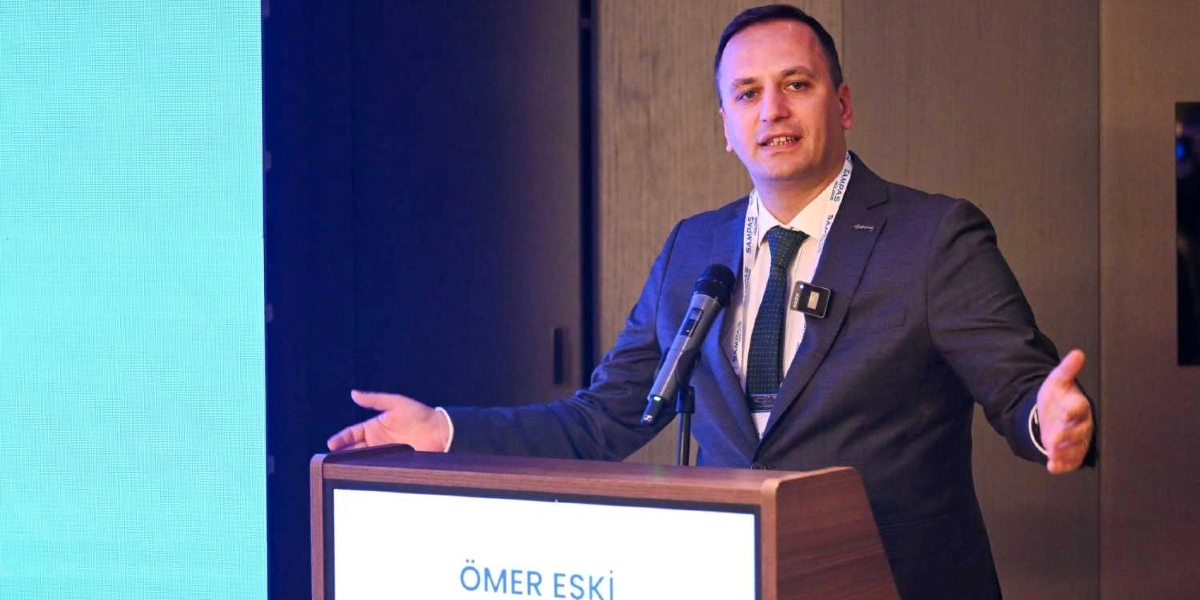
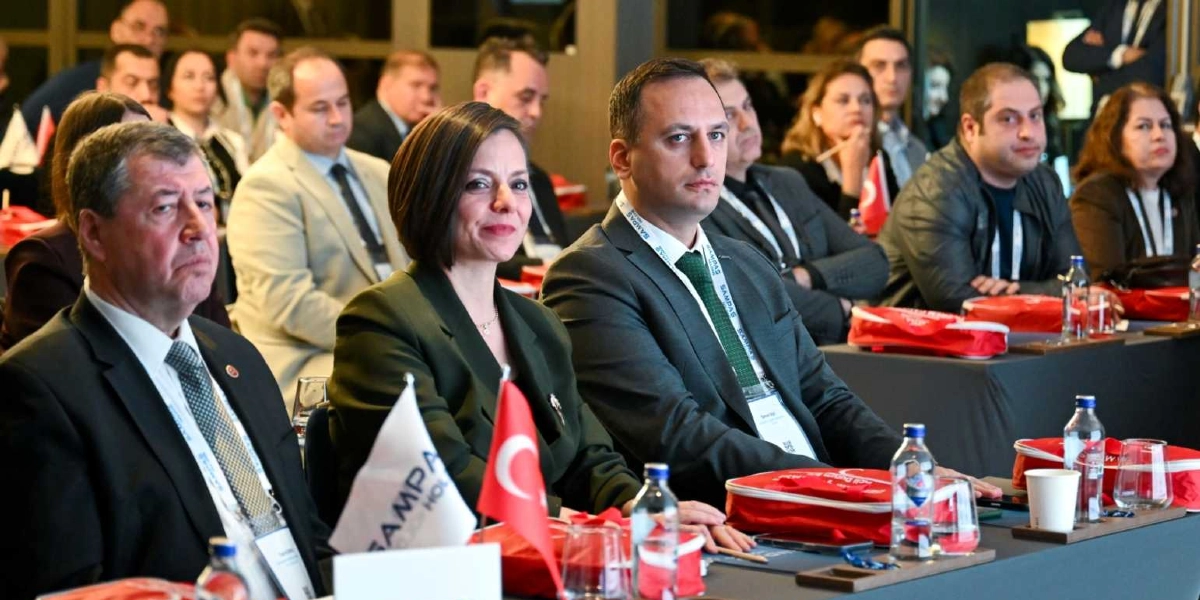
Bornova Mayor Ömer Eşki shared Bornova Municipality’s vision for urban, green, and digital transformation during his speech at the Disaster-Resilient Cities Panel. Emphasizing that all of Bornova’s data has been integrated into the system through digital twin and smart city applications, Eşki underlined that digitalization is not a marketing tool but a form of public service. The panel was held with the participation of mayors, senior bureaucrats, and sector representatives.
Speaking at the Disaster-Resilient Cities Panel organized by Sampaş Information and Communication Systems, Mayor Eşki explained Bornova Municipality’s digitalization journey and why this process is regarded as a strategic priority, illustrating his points with striking examples.
“We defined three core visions: urban, green, and digital transformation”
Stating that they have followed a clear roadmap since taking office, Mayor Eşki said Bornova Municipality’s vision is structured around three main pillars:
“We identified three fundamental areas for ourselves: urban transformation, green transformation, and digital transformation. We are fully aware of how vital digitalization is.”
Drawing attention to Türkiye’s insufficient global representation in the digital field, Eşki referred to an international technology fair held in Barcelona, saying, “The fact that Türkiye does not even have a single presence there is deeply disappointing for our country.”
“Bornova’s digital twin is now ready”
Emphasizing that digitalization in Bornova is not merely a technological investment but an institutional transformation process, Mayor Eşki noted that the digital twin application is one of the most important tools of this transformation. He stated that of his approximately 21 months in office, 18 months were devoted to digitalization, and that all of Bornova’s data was integrated into the system through an intensive 8–9 month effort.
“This was a data mining process. In the future, all municipalities will be obliged to do this—just like the transition from ledger books to the IBAN system in banking,” he said.
Smart Cities Center: “A source of pride we showcase”
Mayor Eşki pointed out that one of the concrete outcomes of the digital transformation is the Smart Cities Center, which was established right next to his office. Speaking with a touch of humor, he said:
“Normally, there is a tea button in offices. We added a second button. We press it when we want to show off. We tell our guests, ‘Come and see what we have achieved.’”
He added that through this center, they proudly present Bornova’s digital infrastructure to representatives from party headquarters and major institutions.
“This is not marketing; it is service to the country”
Mayor Eşki stressed that digitalization is neither a commercial nor a political showcase, but rather a process driven by public interest.
“What we are doing is not merely a business venture or a political marketing element. This is a service to the country,” he said.
Referring to Şekip Birgöl, one of the pioneers of computer use in Turkish municipalities, Eşki emphasized that Bornova will also be among the leading municipalities in digital transformation.
“We can proudly say we are among the first municipalities to initiate digitalization in Türkiye”
Concluding his speech, Mayor Eşki highlighted the historical significance of the steps taken by Bornova Municipality and summarized his vision with the following words:
“If Şekip Karakaya, Chairman of the Board of Sampaş Holding, can say ‘I brought the first computers to municipalities in Türkiye,’ then we too can proudly say that, at such a young age, we are among the municipalities that initiated the digitalization process first in Türkiye.”
The Disaster-Resilient Cities Panel organized by Sampaş Holding was held with the participation of mayors, senior bureaucrats, and sector representatives, focusing on the role of digitalization in making cities more resilient to disasters.