Idle Land Comes to Life in Bornova
Healthy Produce to Reach Residents Through City Markets and City Restaurants
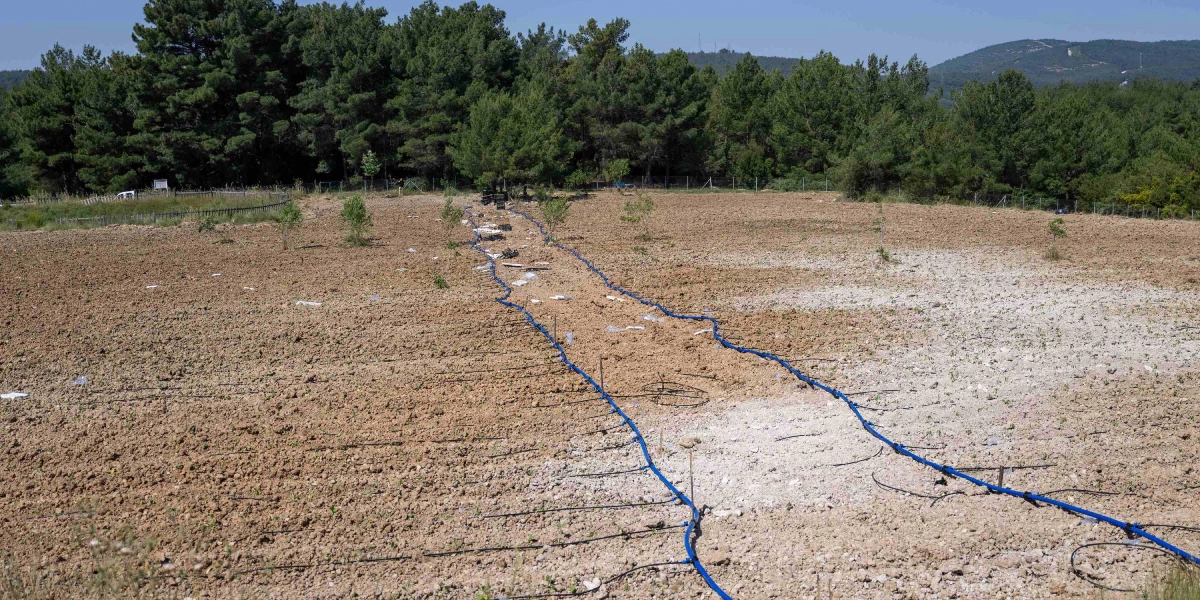
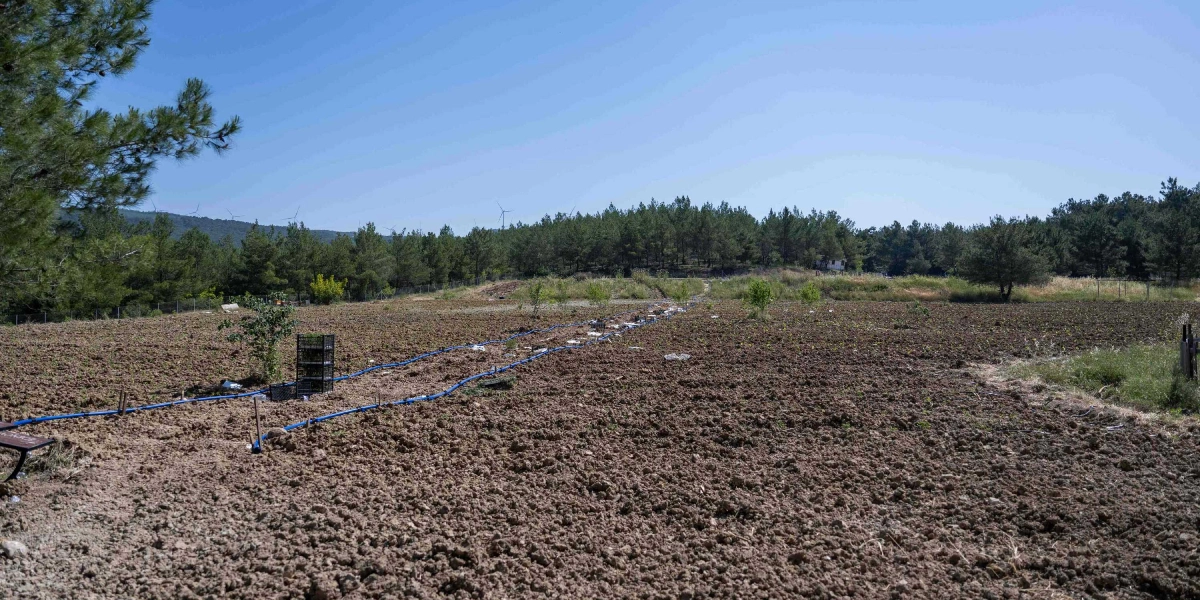
Bornova Municipality continues to advance its visionary projects that support local production and strengthen social solidarity. Following the establishment of seven Community Gardens (Kent Bostanları), the municipality has now planted summer seedlings on a 15-decare agricultural field at the Yakaköy Natural Farming Center. Tomatoes, peppers, and eggplants harvested with the voluntary participation of university students will be distributed free of charge to students and residents in need through newly established City Markets (Kent Manavları). Bornova Mayor Ömer Eşki stated that these healthy products will also be served in City Restaurants (Kent Lokantaları) and announced plans to gradually bring an additional 90 decares of idle land into public use.
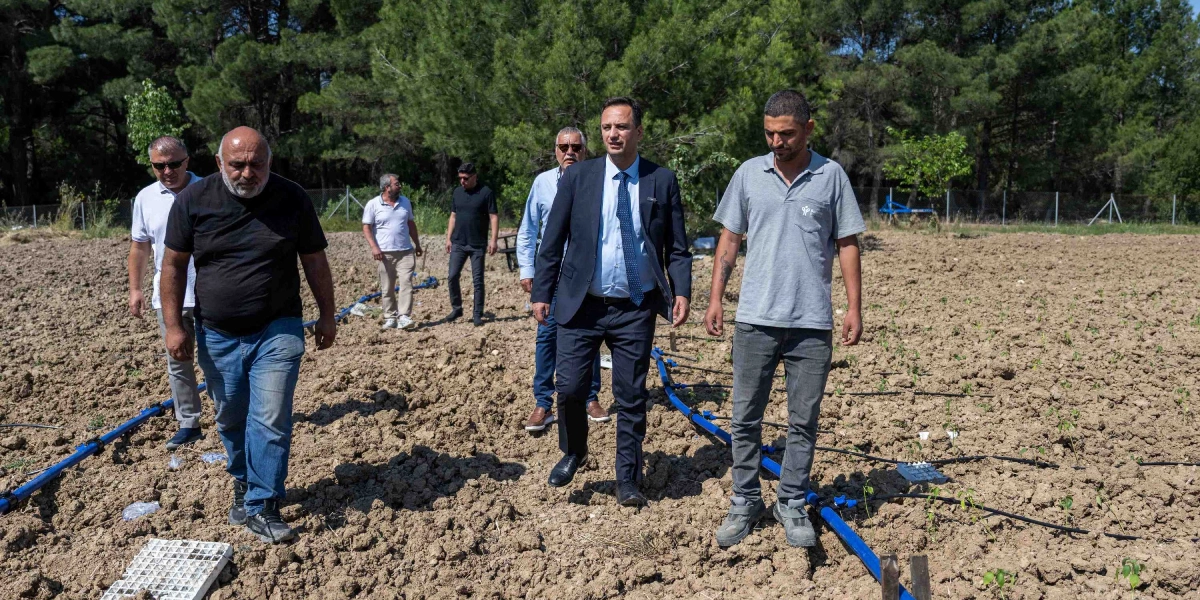
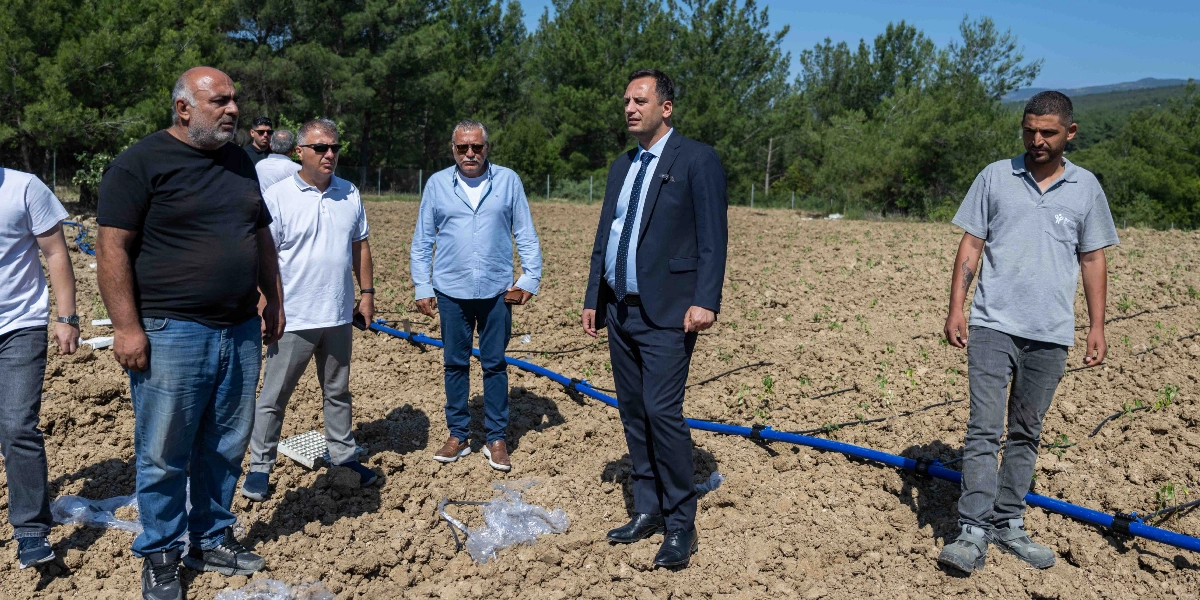
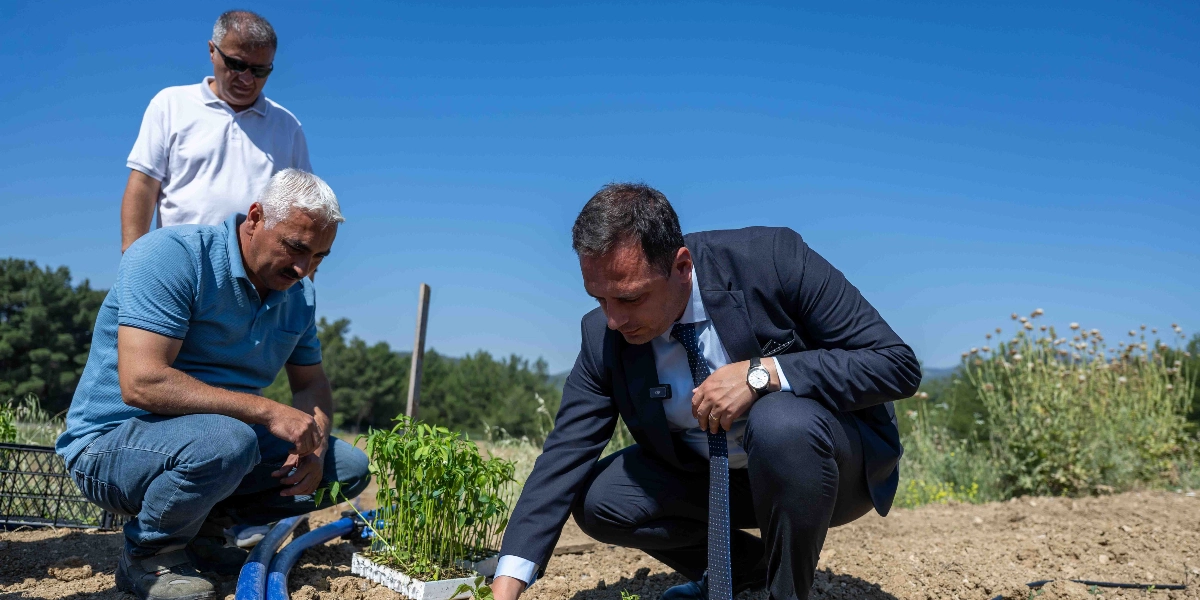
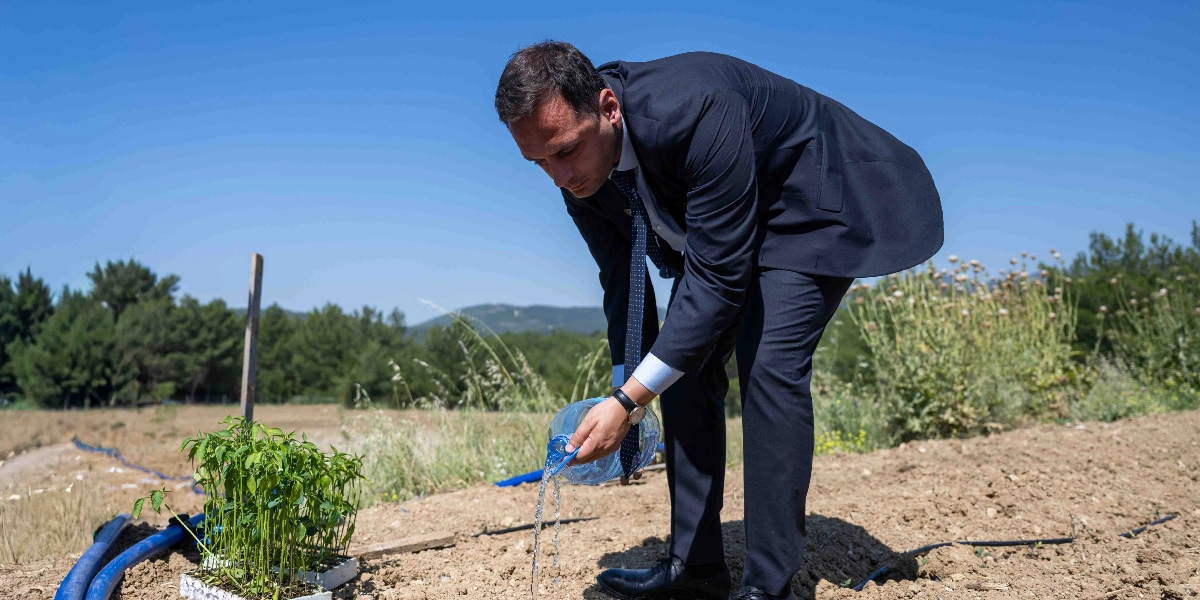
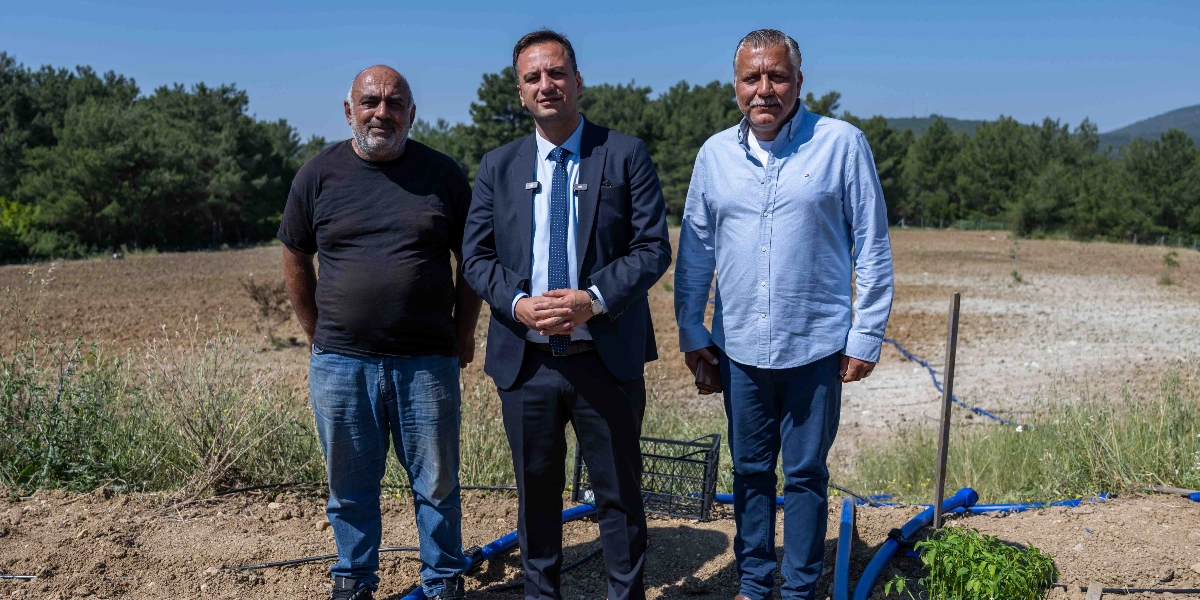
Bornova Municipality is moving forward with projects that promote local agriculture and social equity. After creating seven Community Gardens across the district to encourage production and community engagement, a large-scale cultivation initiative has now been launched at the Yakaköy Natural Farming Center. A summer seedling planting ceremony was held on the 15-decare site, where Mayor Ömer Eşki personally planted the first seedlings to mark the beginning of the project.
From Homemakers to Students and Families in Need
The Community Gardens previously established by the municipality enabled local homemakers to socialize and provide healthy produce for their households. The Yakaköy project introduces a new model. Organized jointly by the Agricultural Services Directorate and the Parks and Gardens Directorate, the 15-decare field has been divided into production areas:
- 5 decares planted with 14,000 sweet and hot pepper seedlings
- 5 decares planted with 12,000 eggplant seedlings
- 5 decares planted with 12,000 tomato seedlings
At the end of the growing season, the municipality expects to harvest approximately:
- 30 tons of tomatoes
- 30 tons of peppers
- 45 tons of eggplants
One of the project’s most distinctive features is the active involvement of young people. University students benefiting from the Gülşah Durbay Youth Center will volunteer in the fields and participate in harvesting the crops.
Free Distribution Through City Markets and City Restaurants
The fruits of labor cultivated in Yakaköy will be transformed into a model of community solidarity across Bornova. The harvested vegetables will be distributed free of charge through the upcoming City Markets, serving both university students and residents benefiting from the municipality’s social support programs.
Production at the Natural Farming Center will not be limited to the summer season. During the winter months, crops such as cabbage, cauliflower, and broccoli will also be cultivated to ensure year-round sustainable production.
In addition, the tomatoes, peppers, and eggplants grown on municipal land will be used in meals prepared at Bornova Municipality’s City Restaurants, providing residents with fresh and healthy locally grown food.
“We Will Bring Another 90 Decares into Public Use”
Speaking at the planting ceremony, Mayor Ömer Eşki emphasized the municipality’s commitment to making productive use of public land:
“We previously established seven community gardens. Now we are implementing a different concept. The products grown on our 15-decare field in Yakaköy will be harvested with the participation of our university students. We will distribute them free of charge through our City Markets and serve them in our City Restaurants. Beyond this area, we have more than 90 additional decares of land. As our resources allow, we will gradually bring these areas into production. We will continue working to ensure that no land and no potential remains idle, always for the benefit of our citizens.”
Through this initiative, Bornova Municipality aims to transform unused land into productive agricultural spaces, strengthen food accessibility, support young people, and promote a more sustainable and socially inclusive urban future.