European Delegation Visits Bornova’s Urban Gardens
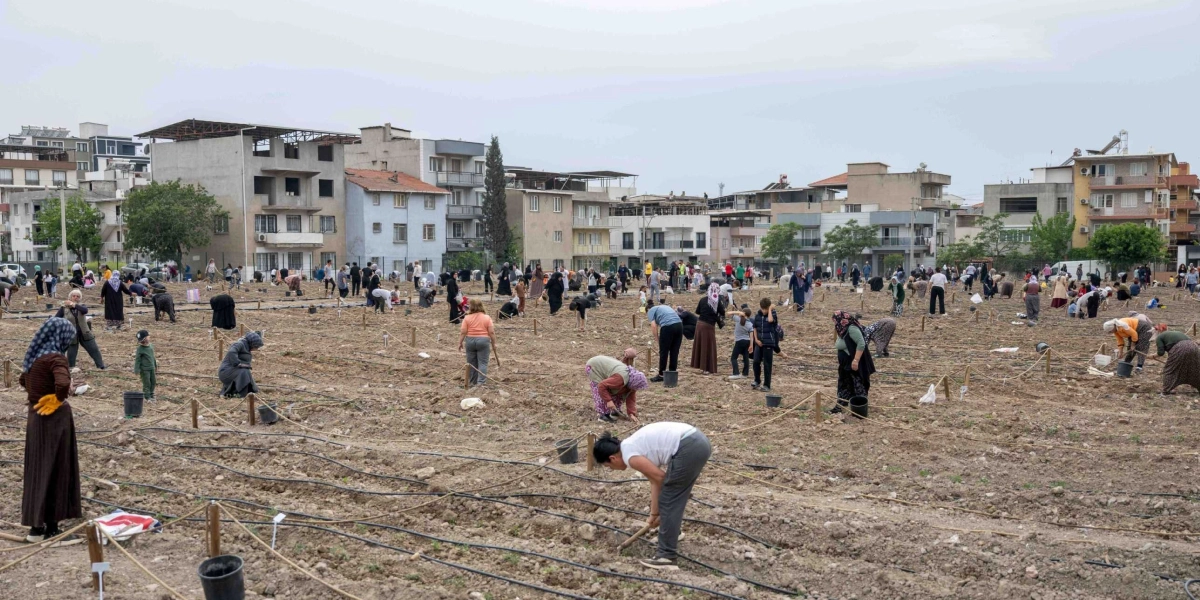
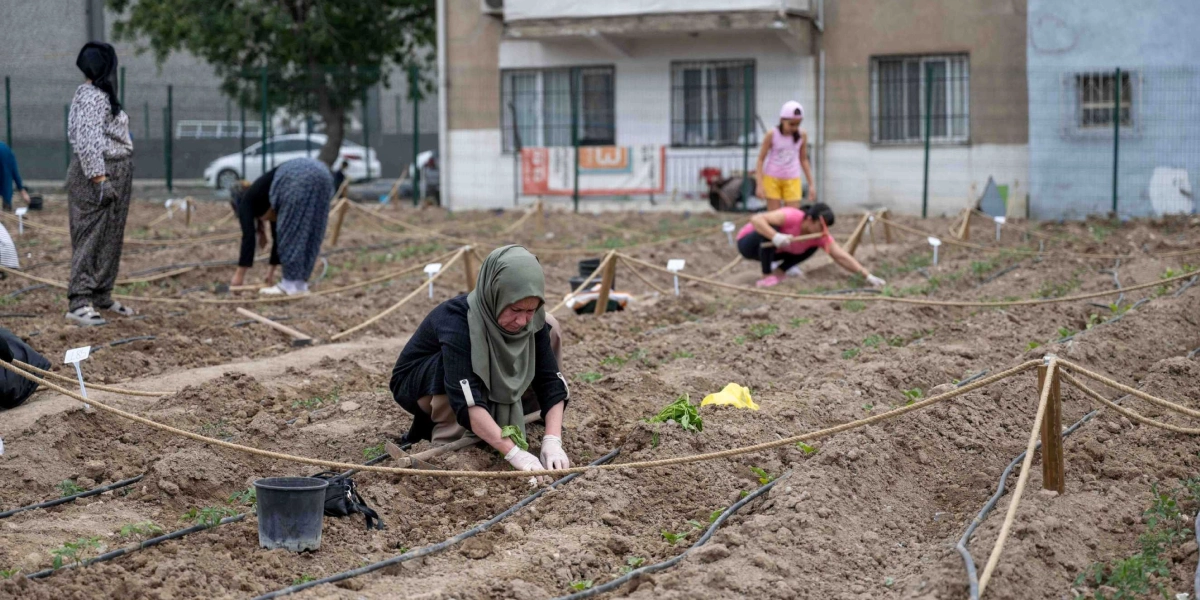
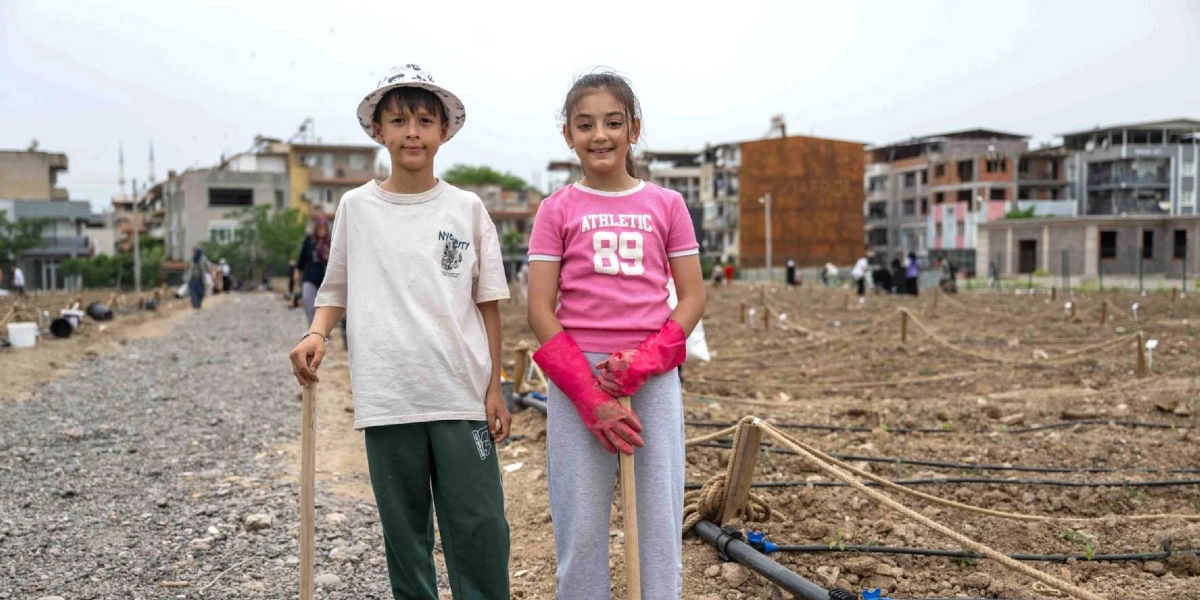
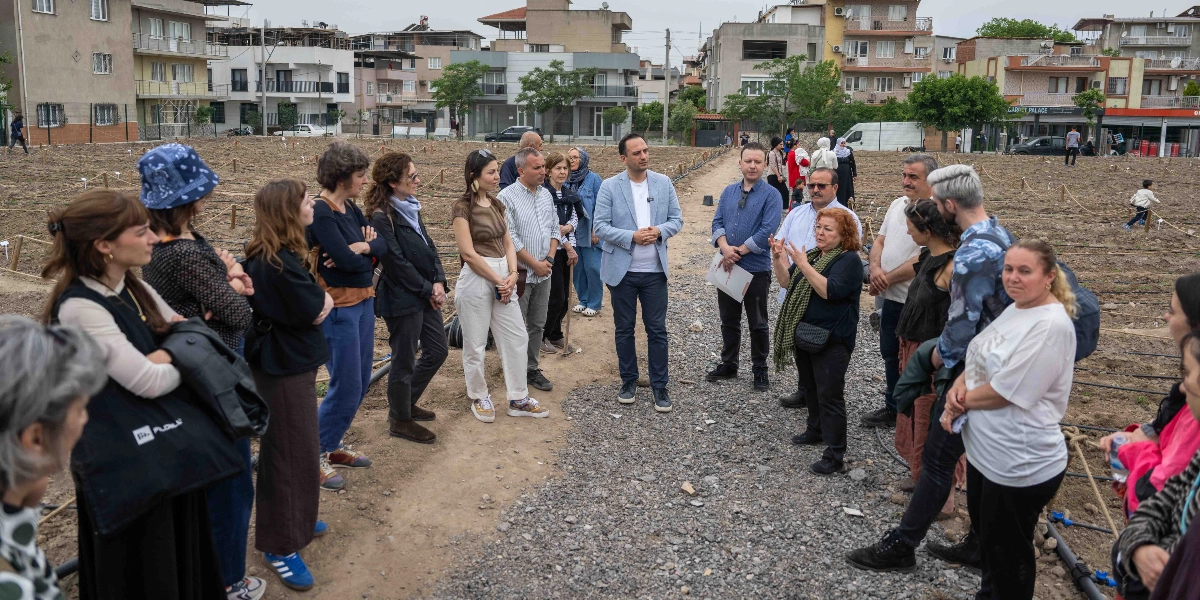
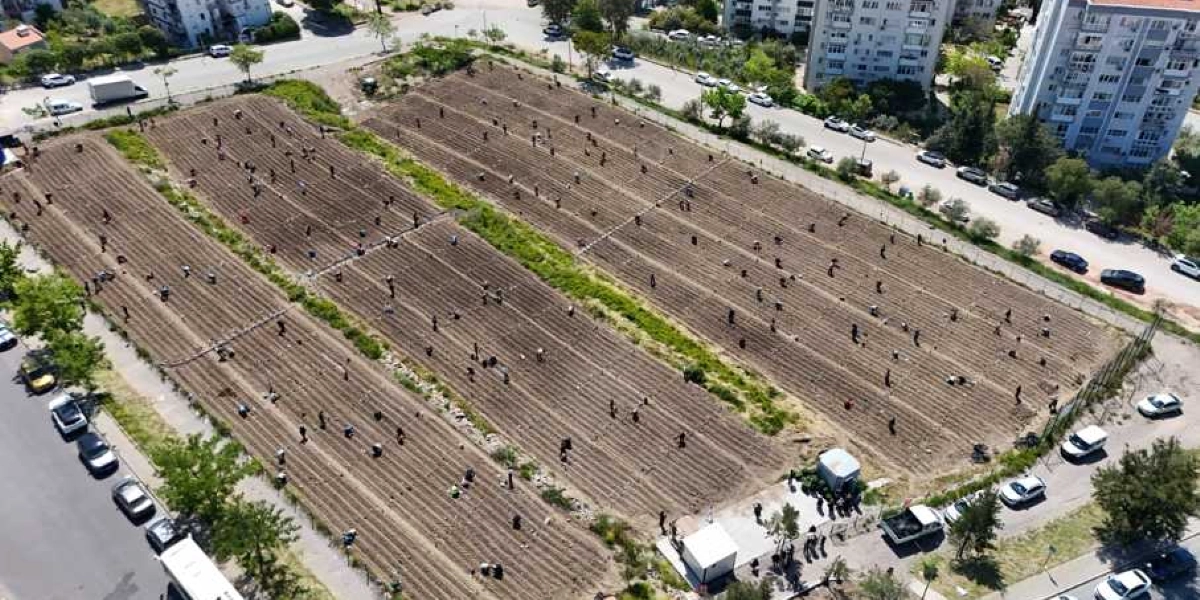
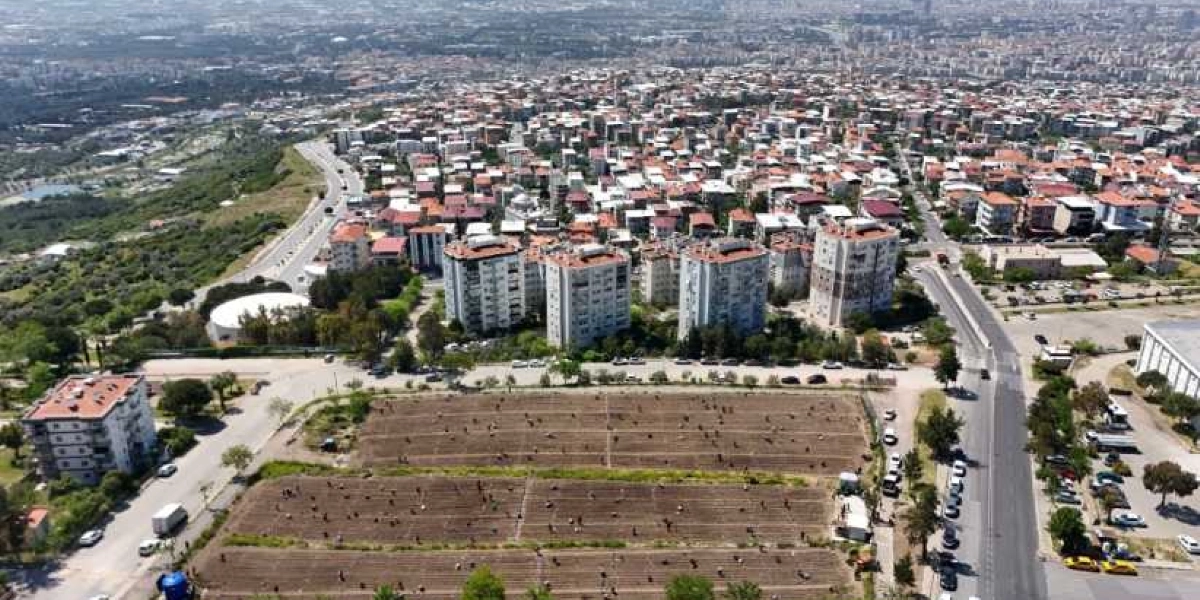
International guests planted seedlings together with women producers
While women producers planted summer seedlings in the Doğanlar and Evka-4 urban gardens of Bornova Municipality, experts and artists from Europe and various countries also visited the sites to observe the projects firsthand. Bornova Mayor Ömer Eşki stated that the urban gardens are an exemplary model that strengthens women’s labor, ecological production, and international solidarity.
Bornova Municipality’s urban gardens hosted international guests as part of the summer production season activities. Experts and artists visiting Türkiye במסגרת the European Union project titled “The Effects of Climate Change on Nature” took part in seedling planting activities together with women producers at the Doğanlar and Evka-4 urban gardens. The visitors had the opportunity to closely examine Bornova Municipality’s model that combines ecological production with women’s solidarity.
Guests from Europe joined the production process
At the Doğanlar Urban Garden — one of Türkiye’s newest and largest urban gardens — women producers planted tomato, pepper, and eggplant seedlings, while also sowing black-eyed pea seeds. Experts and artists from Italy, France, Portugal, Greece, Brazil, and Lebanon participated in the planting activities and accompanied the production process.
At the Doğanlar Urban Garden, where a total of 278 women are engaged in production, each participant was allocated a 24-square-meter plot. Meanwhile, 247 women also began summer season production at the Evka-4 Urban Garden. Due to rainy weather and delayed soil drying, planting activities at Evka-4 started later than in the other gardens.
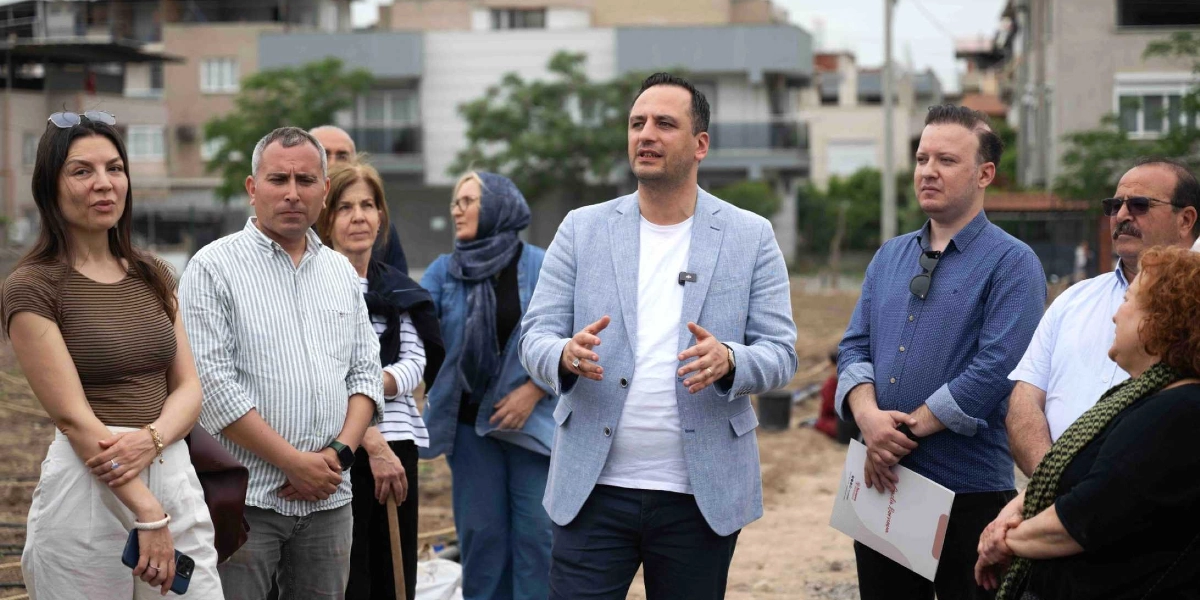
Mayor Eşki: “We are sharing Bornova’s solidarity model with the world”
Bornova Mayor Ömer Eşki expressed satisfaction with the interest shown by international guests in the urban gardens and said:
“Our urban gardens are not only areas of production; they are also powerful examples of solidarity, sharing, and sustainable living. It is very valuable for us that guests from Europe and different countries are touching the soil together with our women producers. We are proud to share the model we have established in Bornova with the world. We will continue to expand our projects that support women’s labor, encourage chemical-free production, and strengthen access to healthy food.”
Chemical-free production and women’s solidarity
Women benefiting from the urban gardens receive vegetable cultivation training before the production season begins. All necessary production inputs are provided by Bornova Municipality, while the maintenance processes are carried out by the women producers themselves.
Thanks to this ecological production model, women’s access to healthy food is supported, while the urban gardens also stand out as public spaces that strengthen social solidarity.
785 women produce in 7 urban gardens
A total of 785 women are engaged in production across Bornova Municipality’s urban gardens. The Doğanlar and Evka-4 gardens are among the areas with the highest number of women producers.