Bornova’s Sustainability Initiatives Presented at COP31
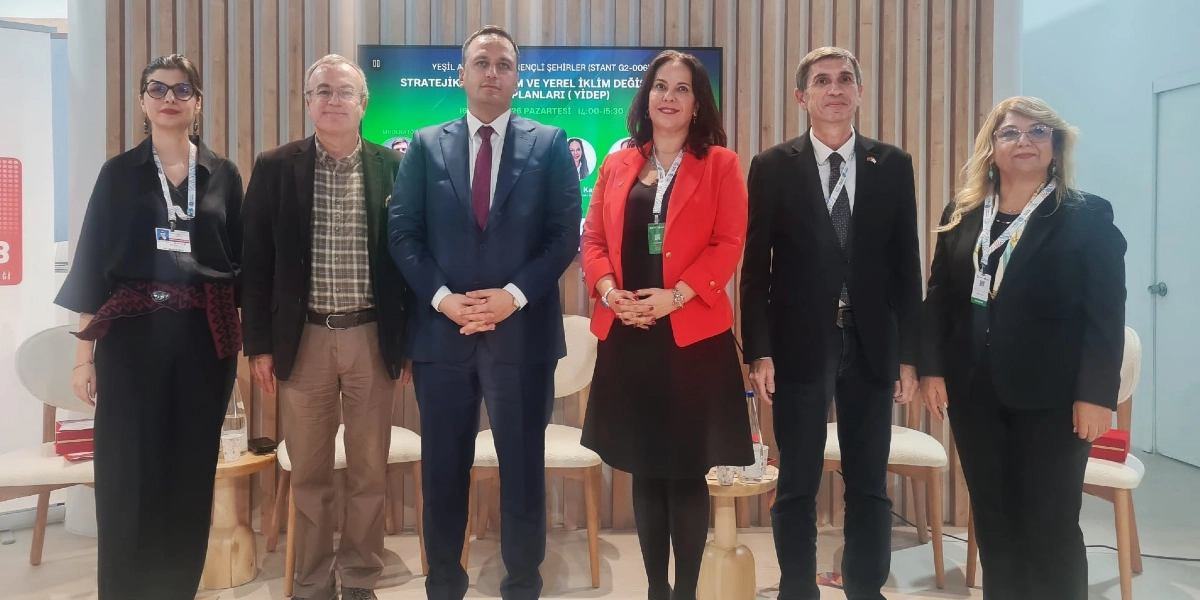
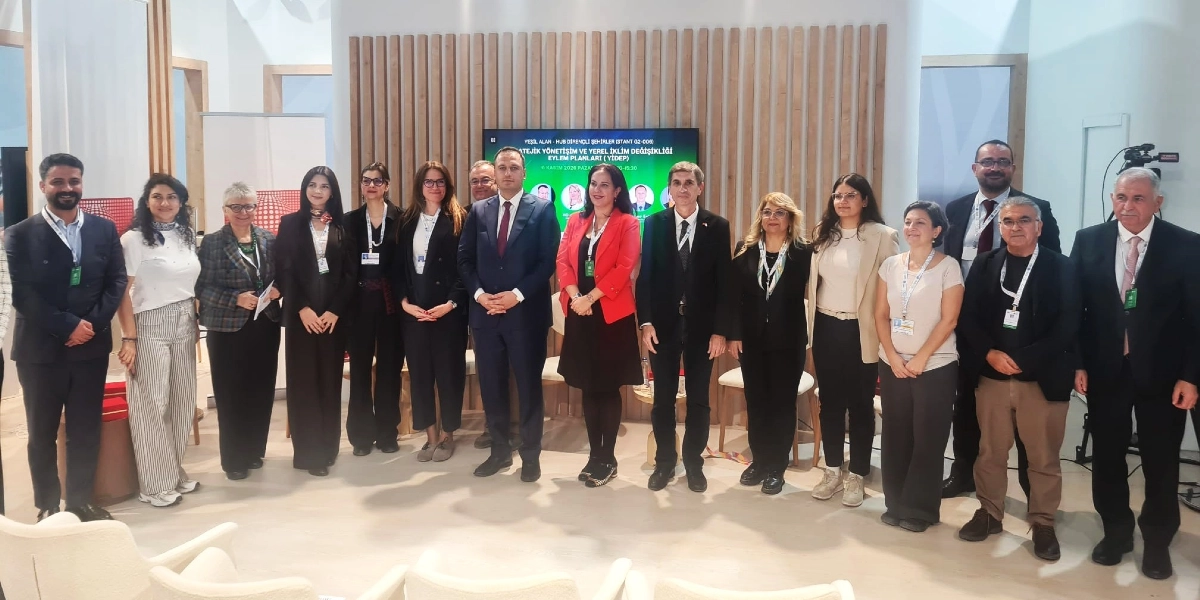
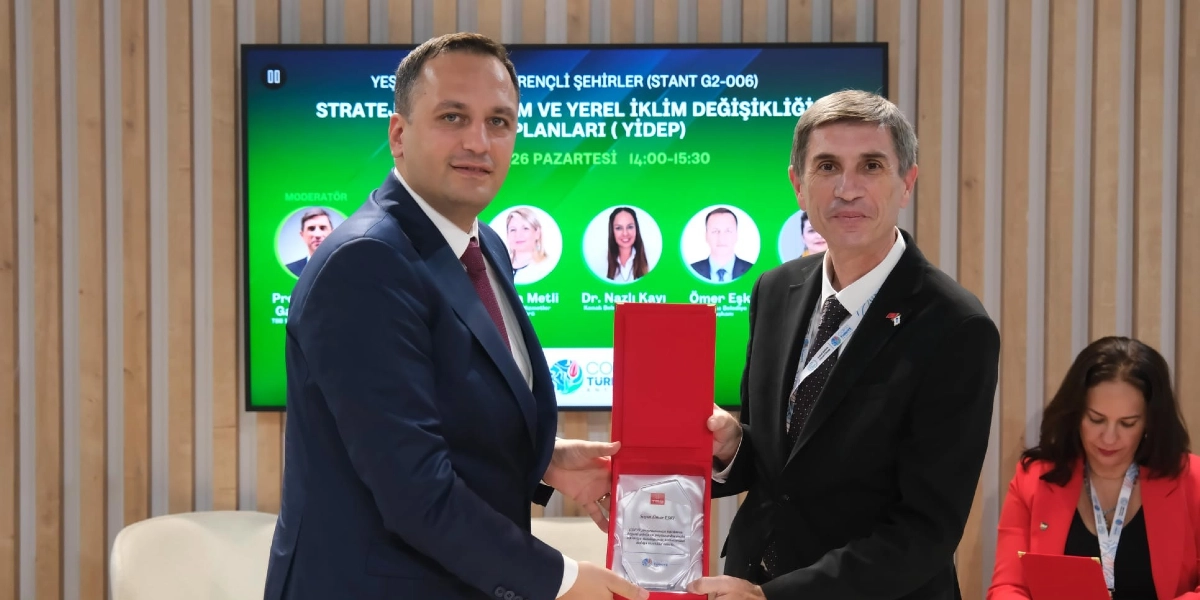

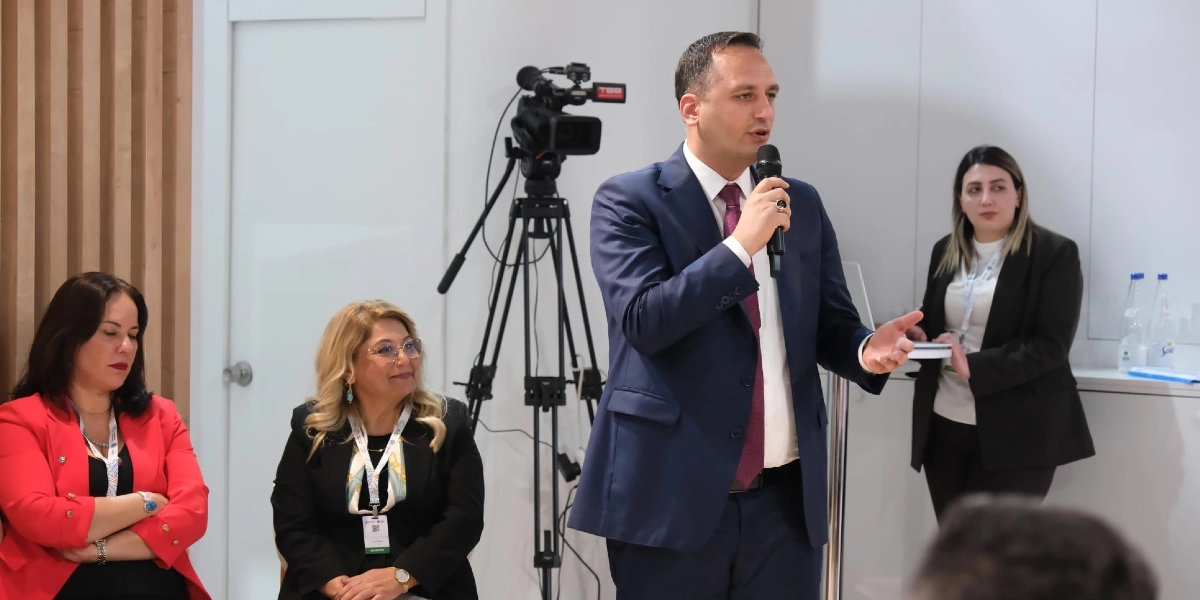
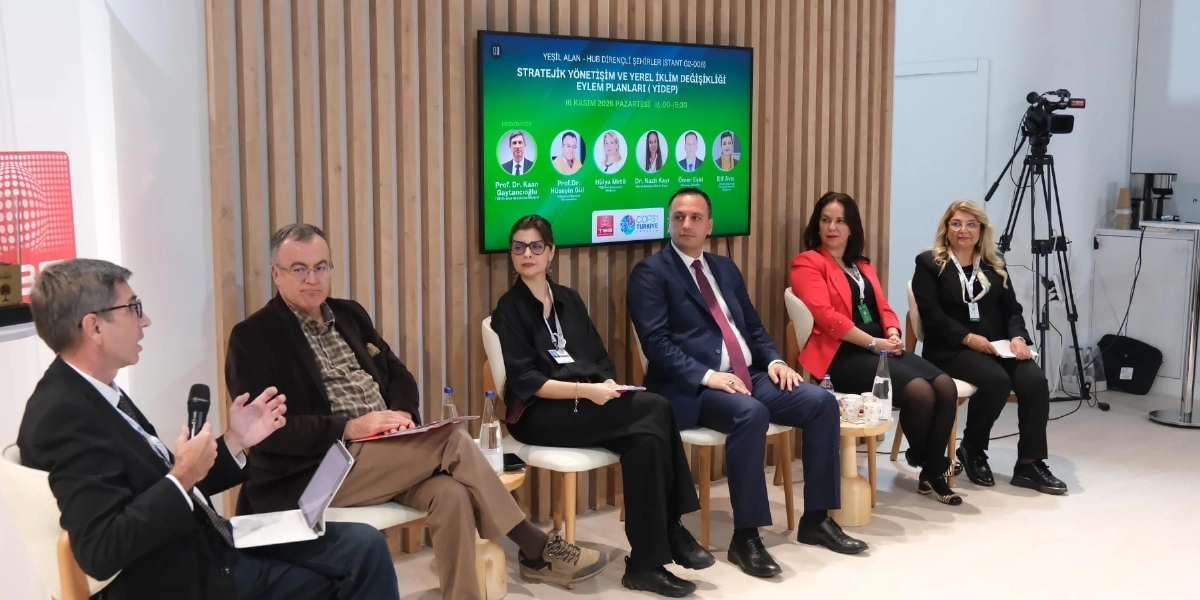
Mayor Eşki Highlights Local Climate Action at Union of Municipalities of Türkiye Panel
Bornova Mayor Ömer Eşki presented Bornova’s sustainability and climate initiatives at a panel organized by the Union of Municipalities of Türkiye as part of COP31, held in Antalya. He shared the municipality’s work on solar energy investments, LED lighting conversion, rainwater harvesting, tree preservation practices, as well as the preparation process for its Sustainable Energy and Climate Action Plan (SECAP). Eşki also highlighted a model of local solidarity and circular production, strengthened by the efforts of 1,189 women working in nine community gardens.
The panel, featuring contributions from academics and experts, addressed how local climate action plans are reflected in municipal services, the importance of institutional coordination, and the commitment of local governments to climate policies.
Discussions emphasized the importance of science-based planning, strong leadership commitment and shared responsibility among municipal departments in translating climate targets into concrete action. It was also noted that Sustainable Energy and Climate Action Plans (SECAPs) need to be integrated into municipalities’ operational processes, from investment decisions to everyday services.
Mayor Eşki also shared Bornova Municipality’s SECAP preparation process and its practices aligned with sustainability goals. Explaining Bornova’s approach to addressing climate action alongside energy, water, green spaces, waste management and social solidarity, Eşki stressed that responsibility toward the future must guide municipal decisions made today.
Climate Goals Reflected in Everyday Services
Bornova’s solar energy investments, regular monitoring of energy consumption, efficiency measures at municipal facilities and LED lighting conversion were among the initiatives presented at the panel. In addition to these practices, which also support the efficient use of public resources, Mayor Eşki discussed water conservation, rainwater harvesting and composting initiatives.
Mayor Eşki also highlighted canopy and shading structures in public spaces, as well as the relocation and replanting of trees suitable for transplantation during road improvement works, as examples contributing to climate adaptation. He emphasized the importance of protecting the city’s existing natural assets and creating shared public spaces that remain usable during hot weather.
Sustainability Growing Through Women’s Efforts
Bornova Mayor Ömer Eşki stated that 1,189 women are involved in production across Bornova’s nine community gardens. He emphasized that community gardens not only contribute to access to healthy food and household budgets, but also strengthen women’s participation in social life, solidarity and neighborhood relations.
Highlighting how initiatives such as preserving local seeds, turning organic waste into compost and using water efficiently in production complement one another, Eşki emphasized the great value of practices involving direct citizen participation in fostering ownership of climate goals at the neighborhood level.
A Shared Responsibility Toward Future Generations
Mayor Eşki underscored the importance of all municipal departments working toward common goals and of citizens participating in the process for building a sustainable city. He shared Bornova Municipality’s commitment to continuing initiatives that protect natural resources, address climate risks and strengthen social solidarity, with the aim of ensuring that children grow up in a healthier, safer and more livable Bornova.
The panel brought scientific knowledge and local practices together, contributing to experience-sharing among municipalities and the development of local climate policies.