Bornova Heritage Project
Bornova's 8,500-Year History Unveiled
The "Bornova Heritage" project was introduced with a magnificent eve
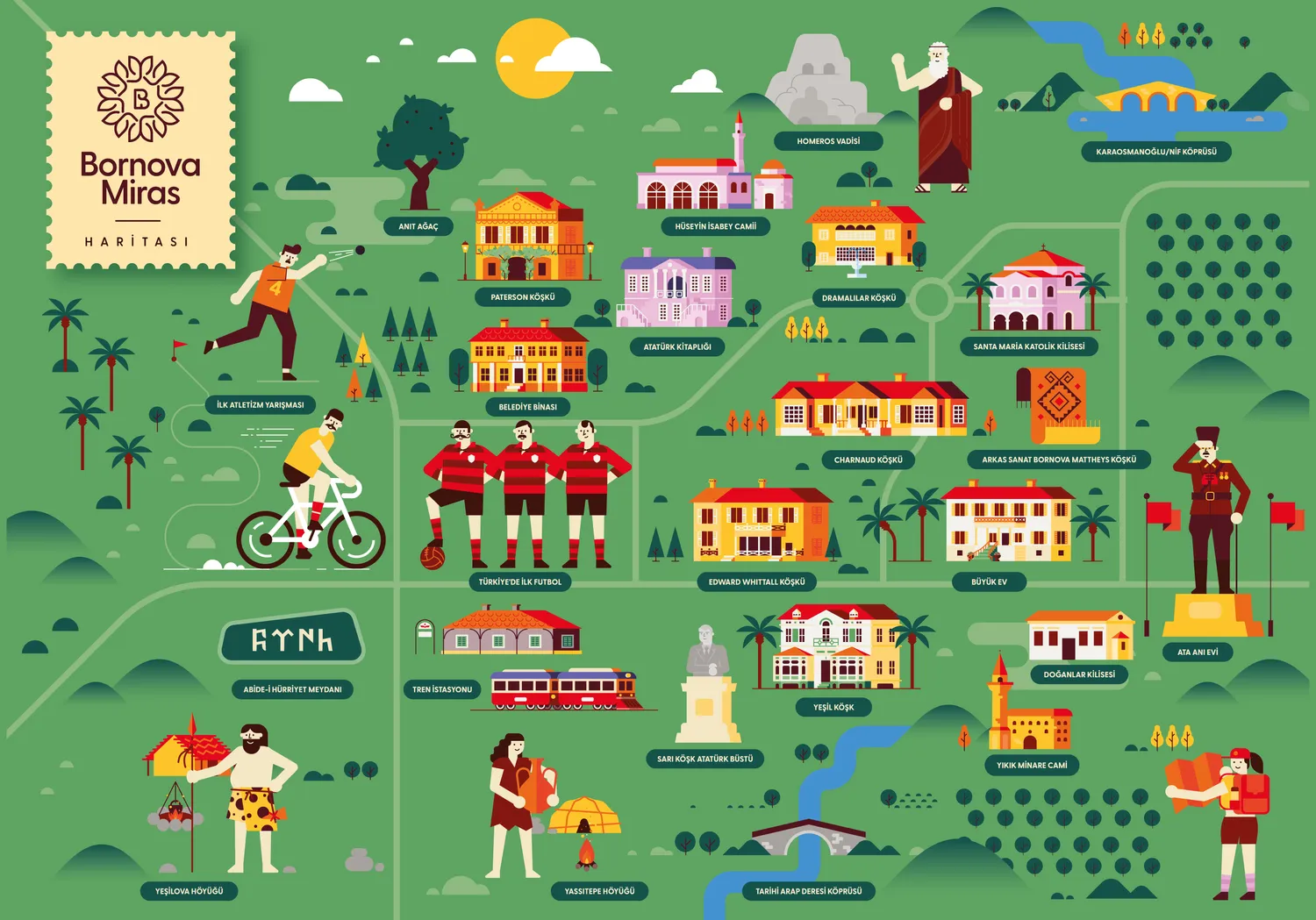
Bornova Municipality introduced the Bornova Heritage Project, which brings together the city's 8,500-year history under one roof, at a meeting it organized. Bornova Mayor Ömer Eşki emphasized that the project aims to create a shared memory of Bornova and to correctly transmit its cultural heritage to future generations. At the event, the Bornova Heritage Map, prepared with the contributions of academics, a digital platform, and 25 historical landmarks were presented to the participan
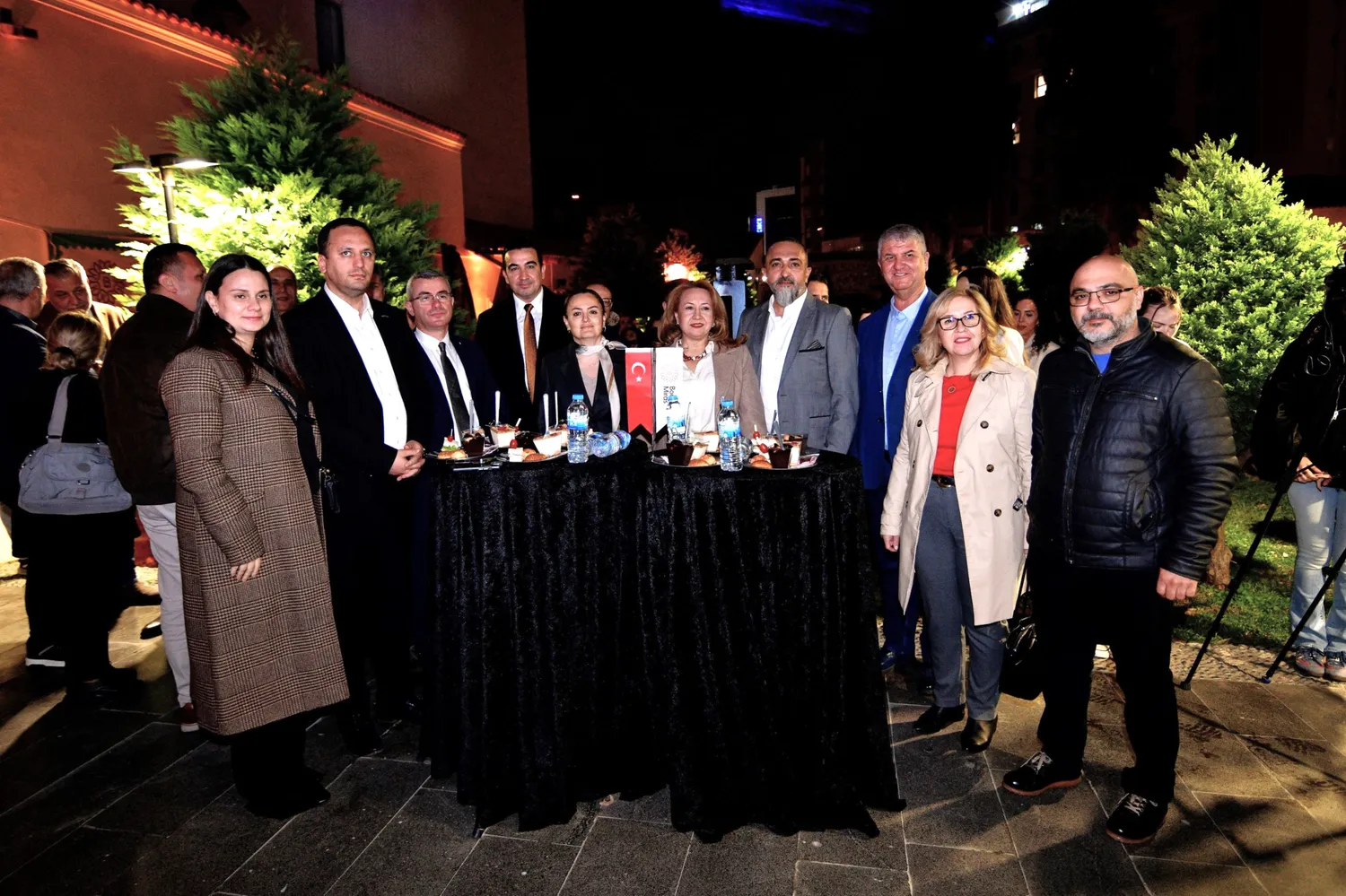
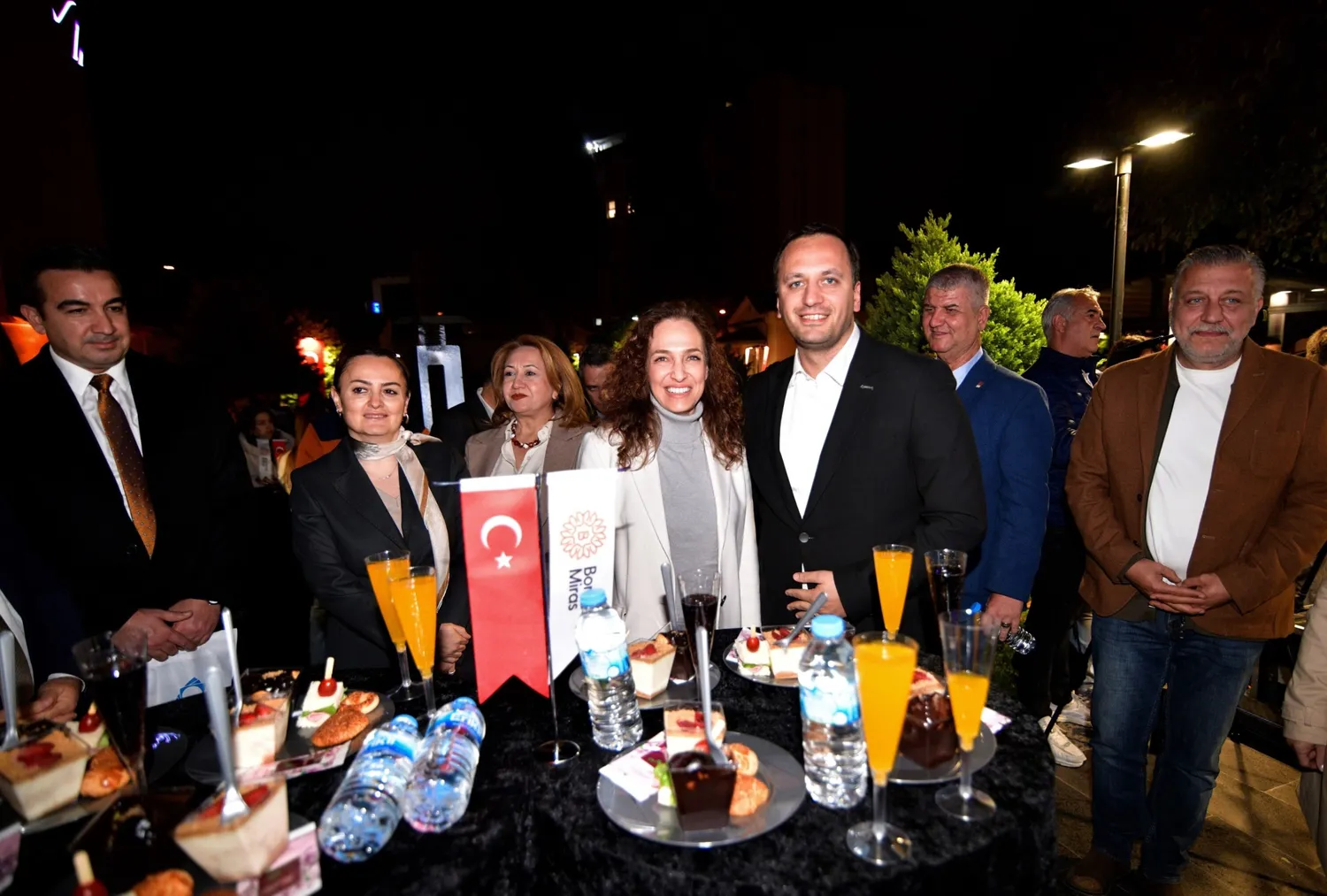
Bornova Municipality introduced the "Bornova Heritage" project, which addresses the city's 8,500-year history with a holistic approach, to the public at an event held at the Dramalılar Mansion. Bornova's rich past, ranging from archaeological sites to Levantine mansions, museums to cultural heritage points, was brought together under one roof for the first time. The introductory meeting was attended by Karşıyaka Mayor Yıldız Ünsal, representatives of political parties and civil society organizations, academics, and numerous guests.
Mayor Eşki: “This project is the most valuable legacy we will leave for the future of the city”
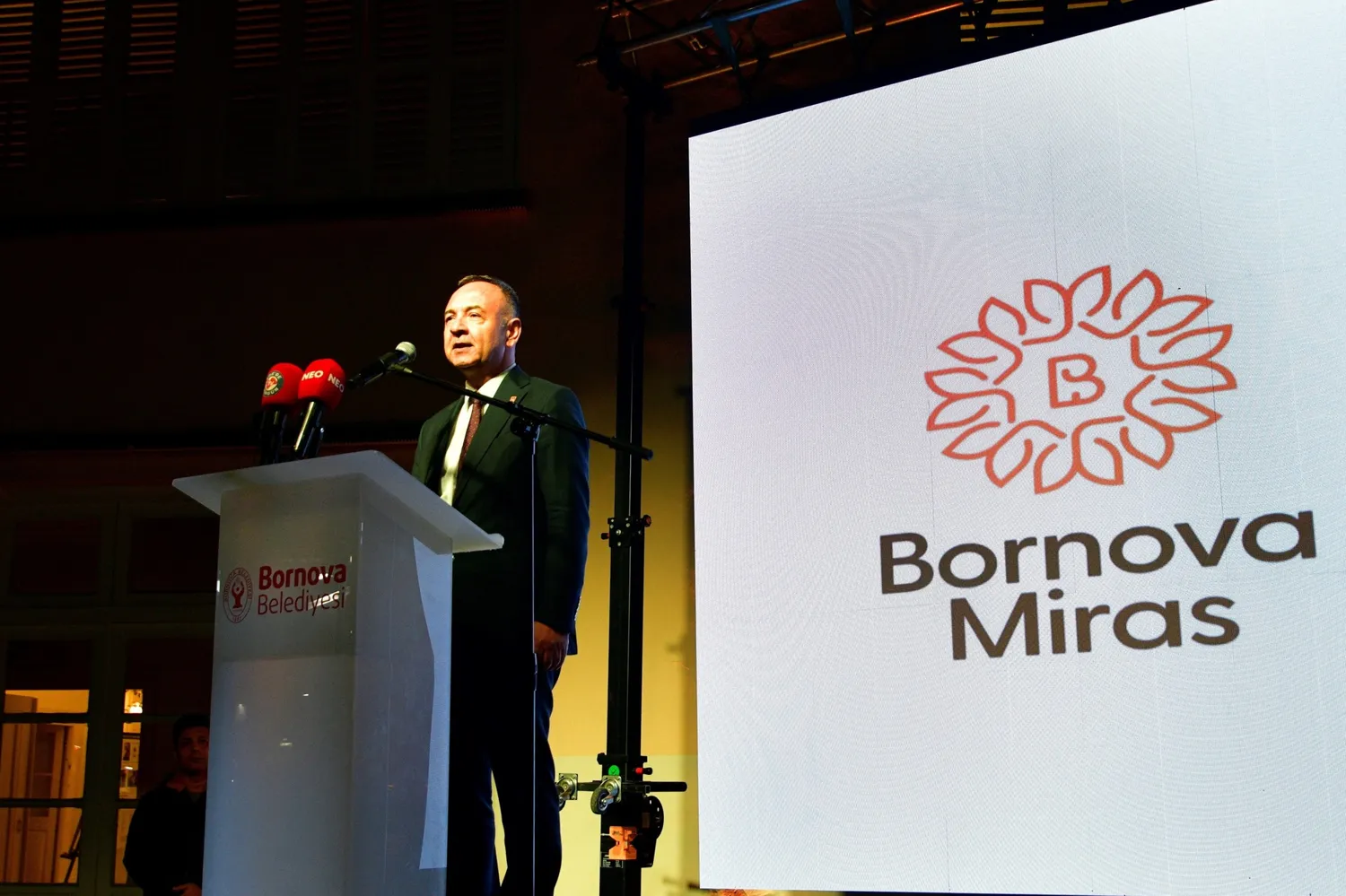
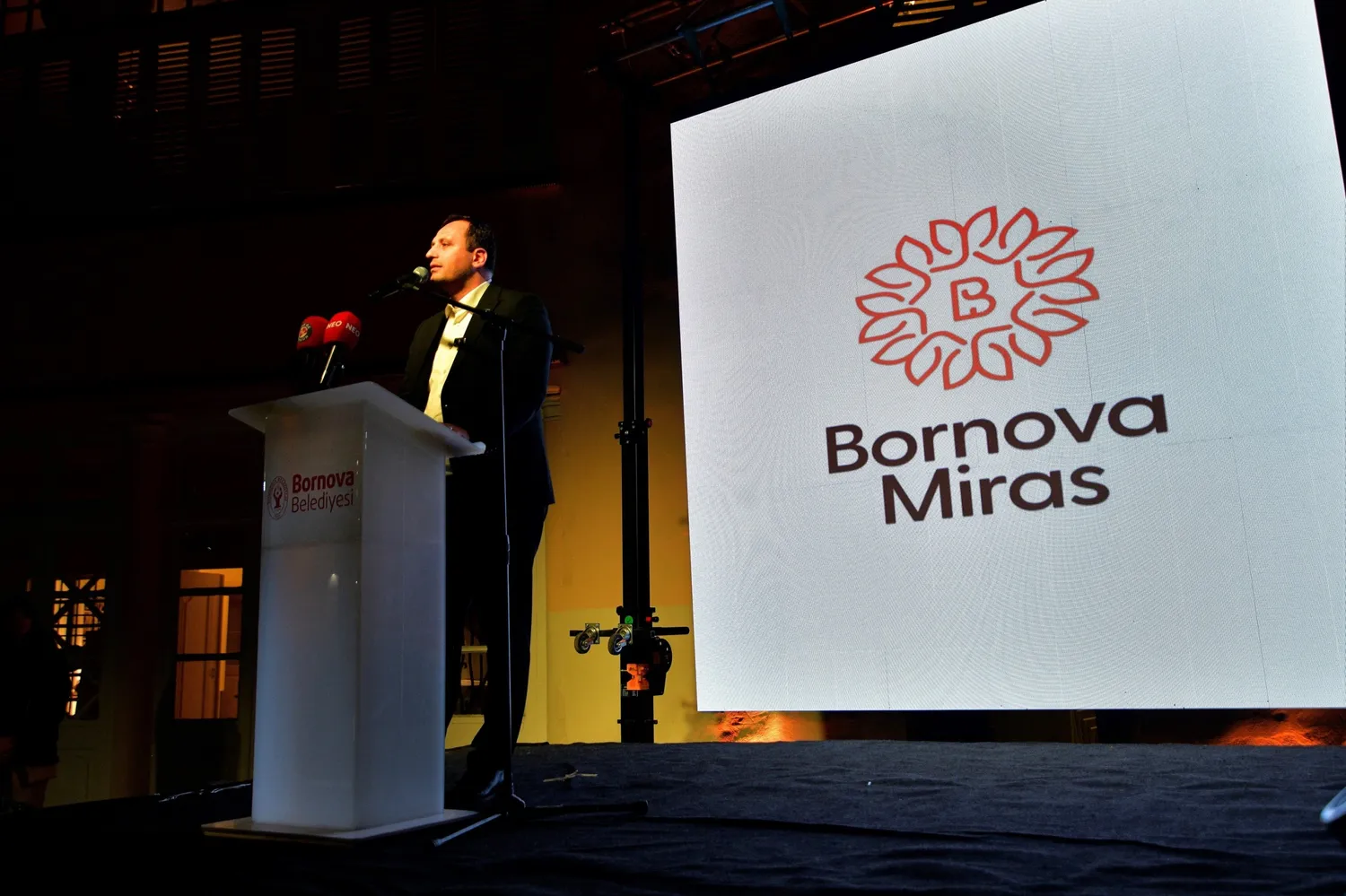
Bornova Mayor Ömer Eşki, in his speech, emphasized that the Bornova Heritage Project is not just a promotional effort, but a significant step towards preserving the city's history and creating a shared memory.
Mayor Eşki stated that from the beginning of his term, they have believed in the importance of transmitting Bornova's history to the future with accurate documentation, saying: “We wanted to gather all the data regarding Bornova's 8,500-year history under a systematic, accessible, and scientific framework. This project, I could say, was inspired by the Istanbul Metropolitan Municipality's 'Istanbul Heritage' project. However, in Bornova, there was a much more organic counterpart: a story living in every stone, every street of our city… We want to record this story, keep it alive, and pass it on to future generations in the right way.”
Eşki stated that the experience gained from oral history studies conducted with the older generations of Bornova in the past guided this project, saying, “What makes a city a city is its memory. People who value and know their city also take care of their environment. With the Bornova Heritage project, we aim for the people of Bornova to rediscover their own city. I would like to thank everyone who contributed.”
Prof. Dr. Hasan Mert: “A project that will fill a major gap in Bornova”
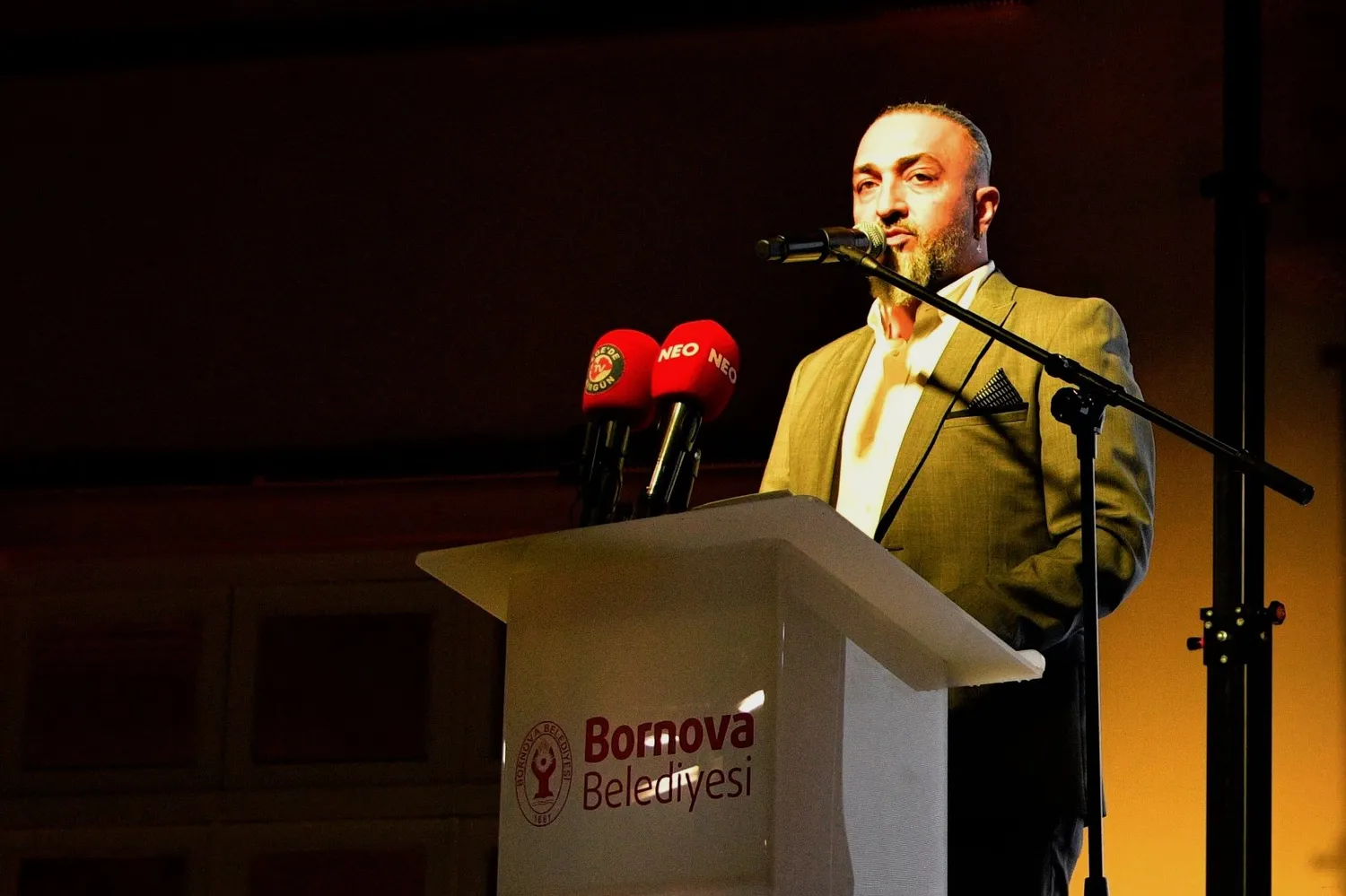
Prof. Dr. Hasan Mert, a faculty member at Ege University and one of the key stakeholders in the project, summarized the importance of the project as an academician who has been working on Bornova's history for over 20 years, saying, “Bornova is a unique settlement with its geography, historical heritage, and development dynamics. However, this great history has not been presented in a comprehensive way until now. Bornova Heritage is a very valuable study that fills this gap and builds a bridge between the past and the future.”
Museum Director Şükrü Koçak: “This project is a journey through memory”
Bornova Municipality Museum Director Şükrü Koçak stated that the project's preparation process was based on meticulous academic research, and that 25 historical locations, identified with the contributions of 30 academics, were brought together under the umbrella of Bornova Heritage. Koçak said, “Bornova is not just a district; it is a living memory where thousands of years of memories have accumulated. Our aim is not to showcase the past; it is to make it a part of today and tomorrow. Heritage is not only preserved; it is shared, felt, and kept alive.”
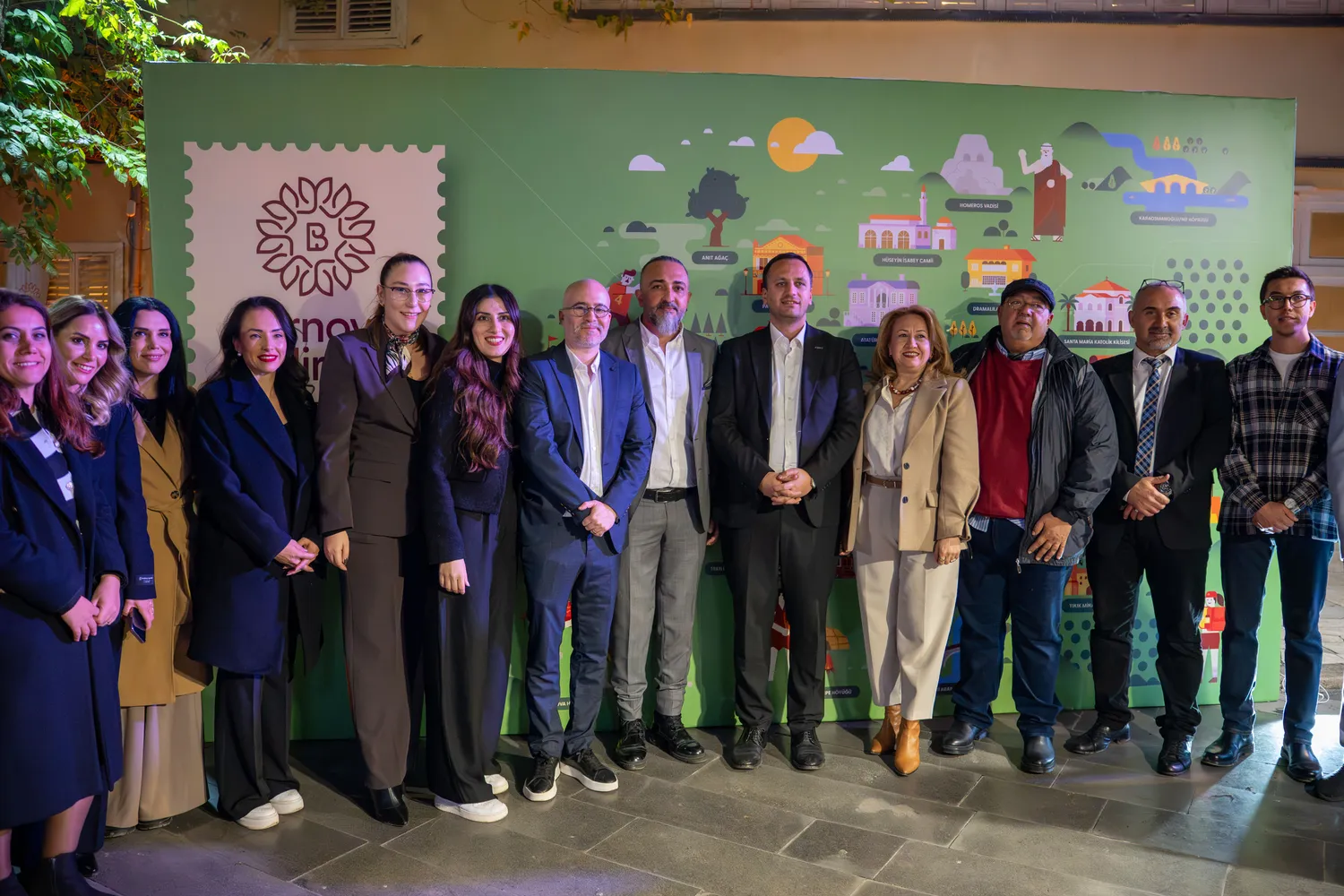
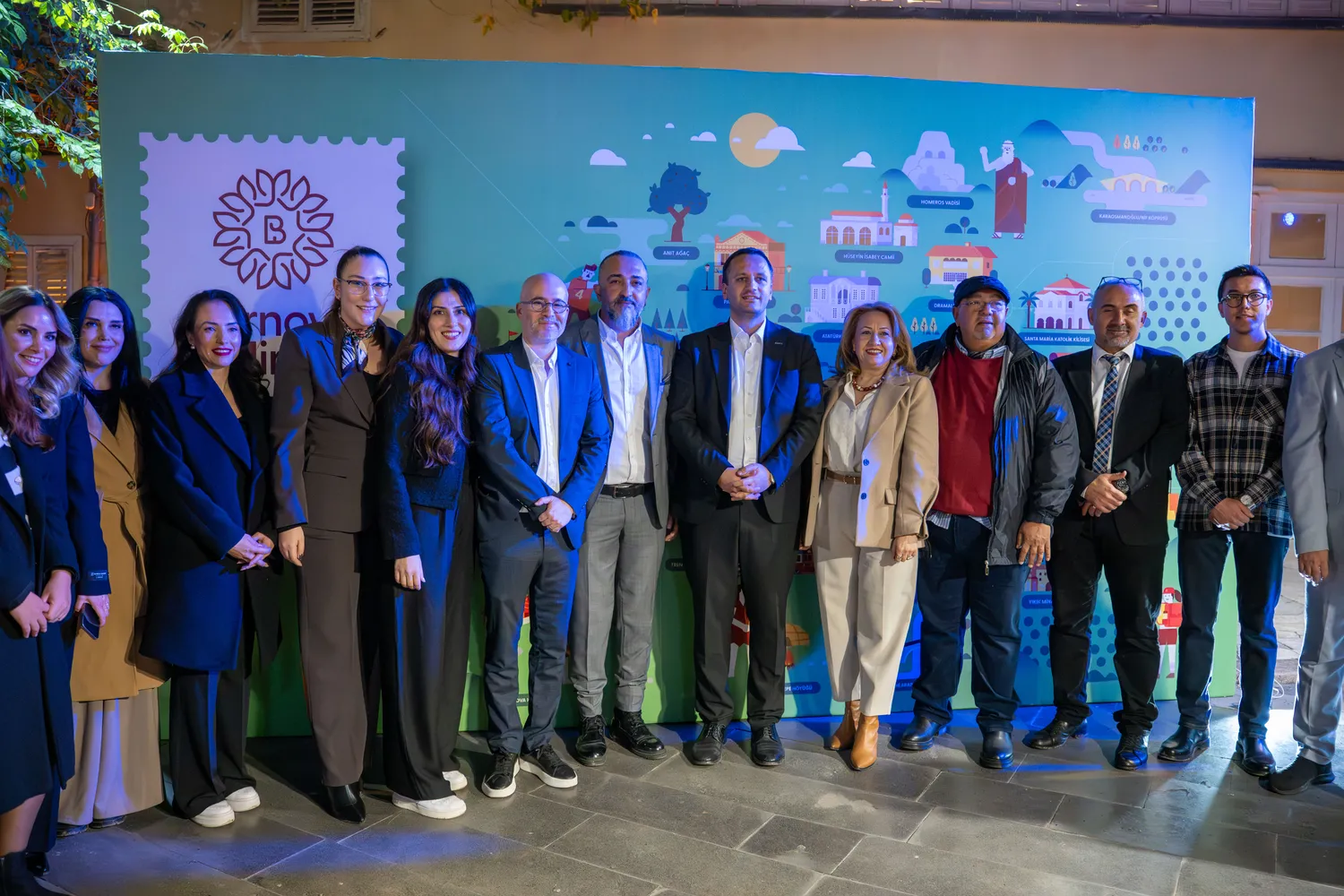
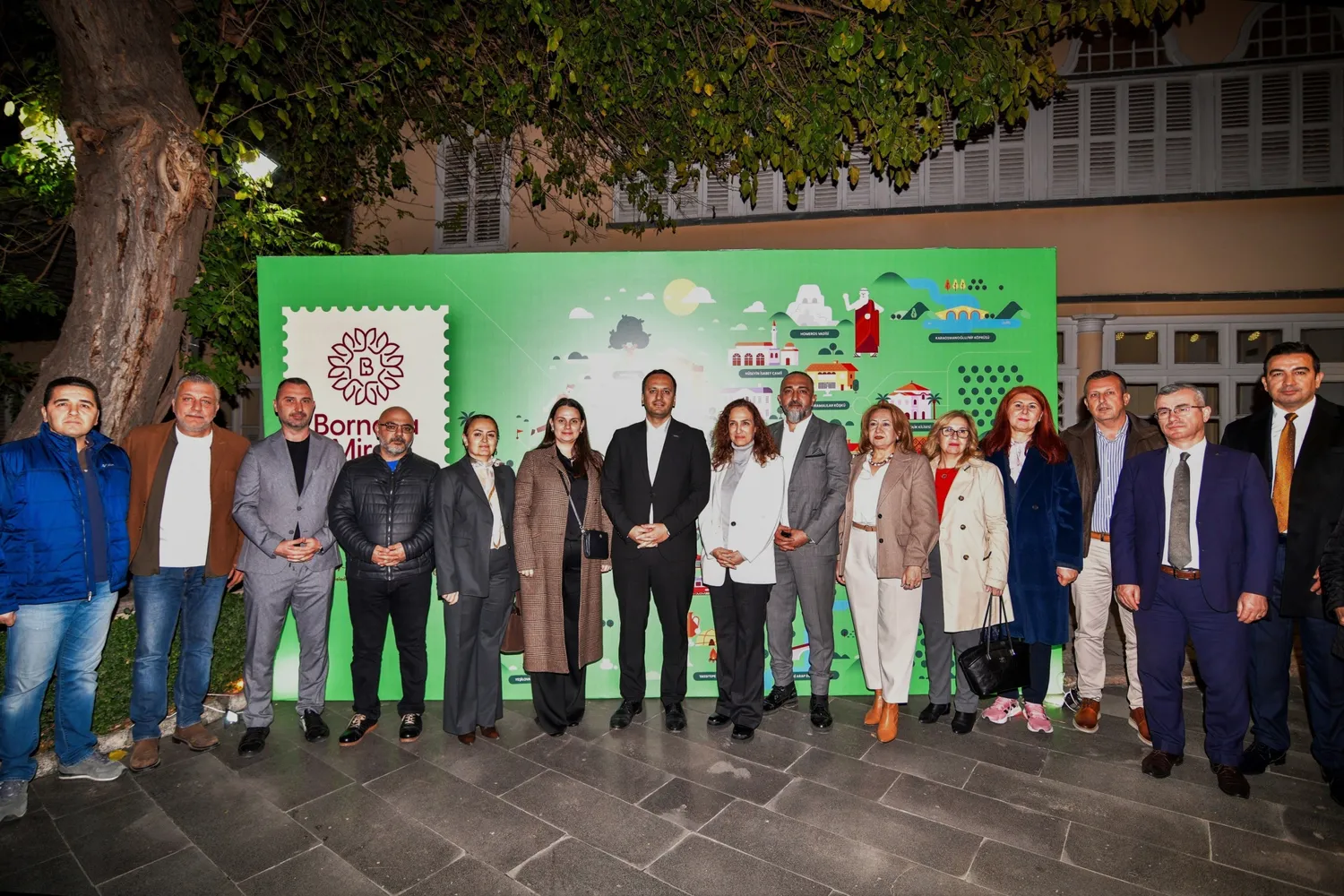
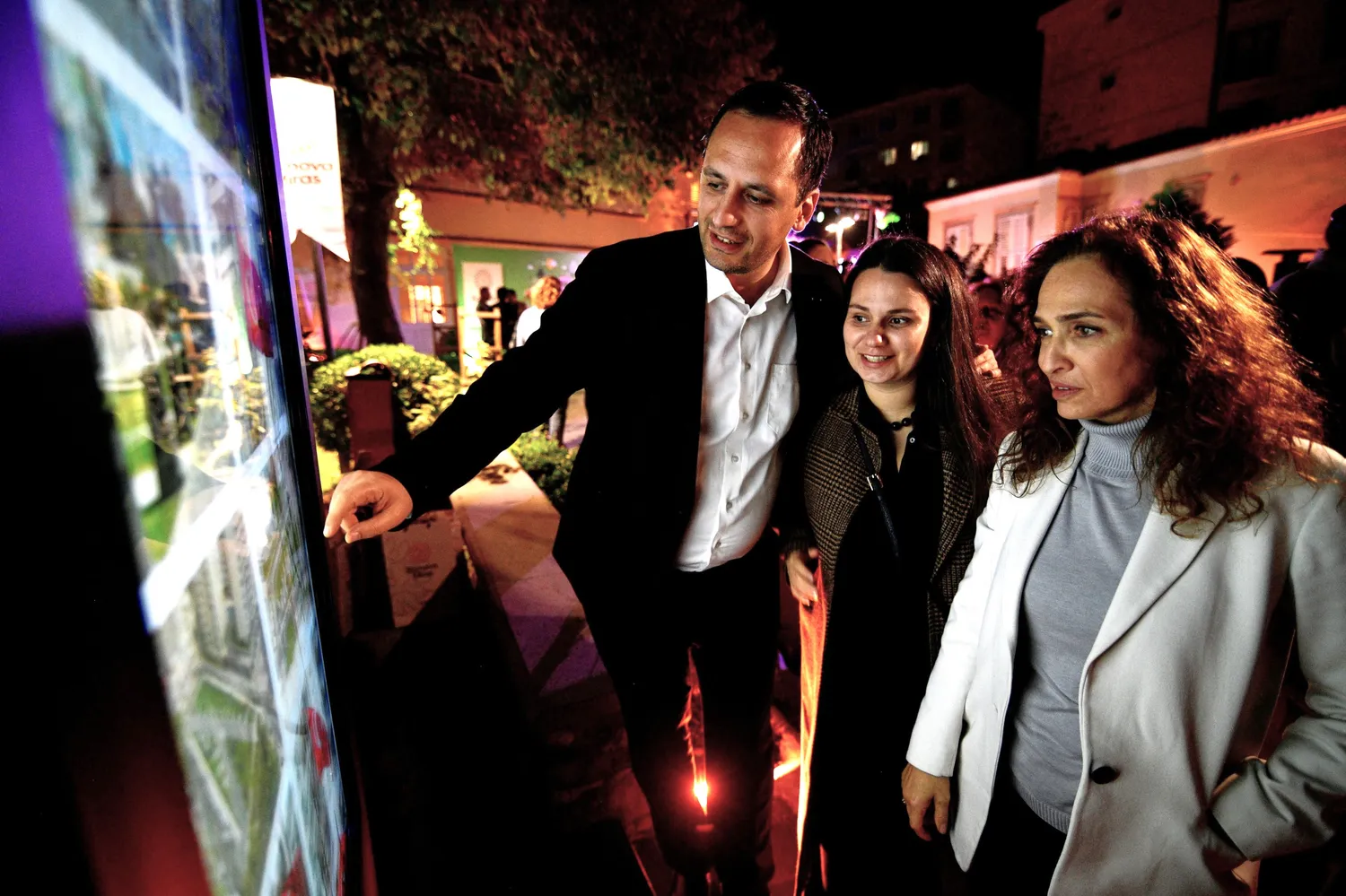
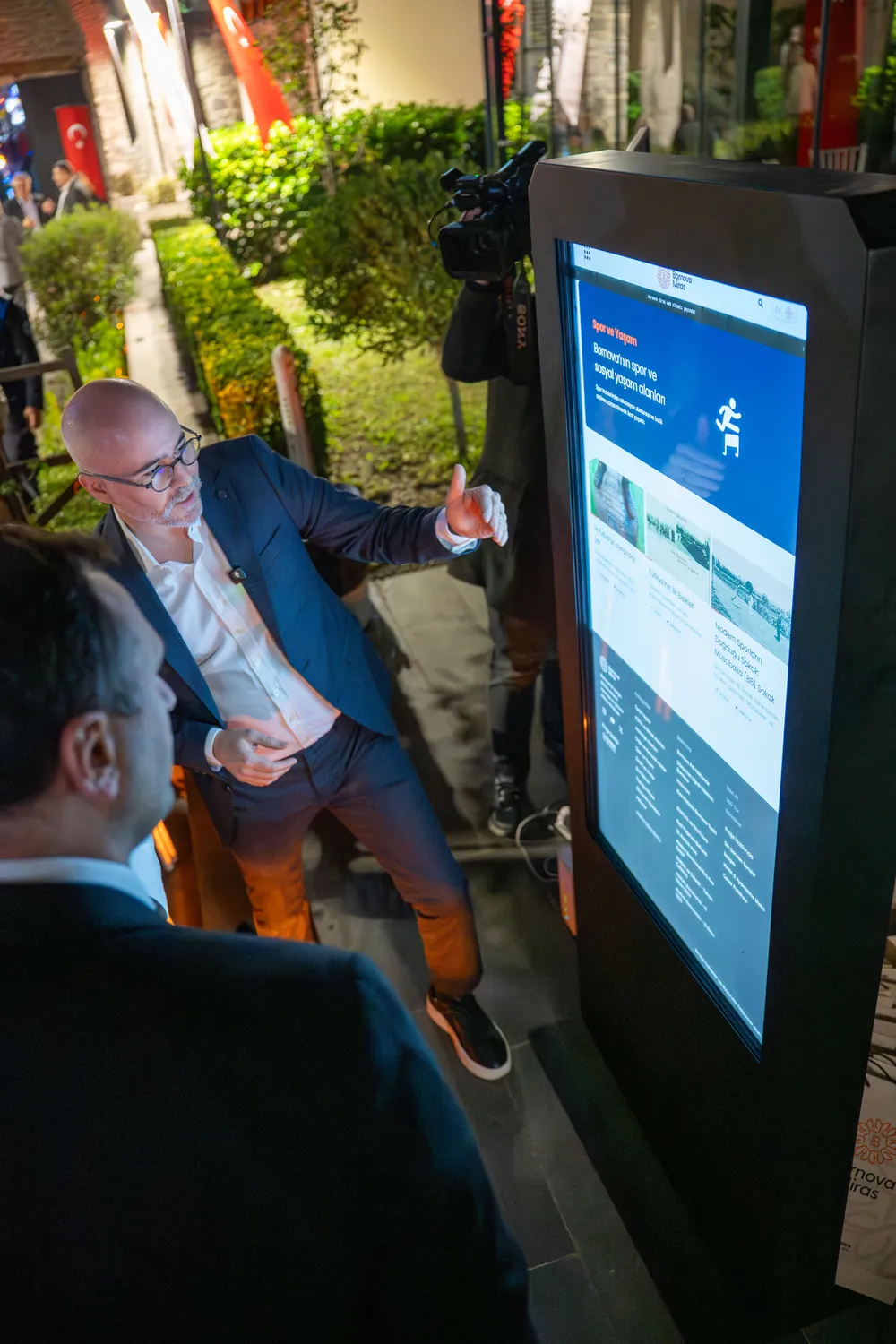
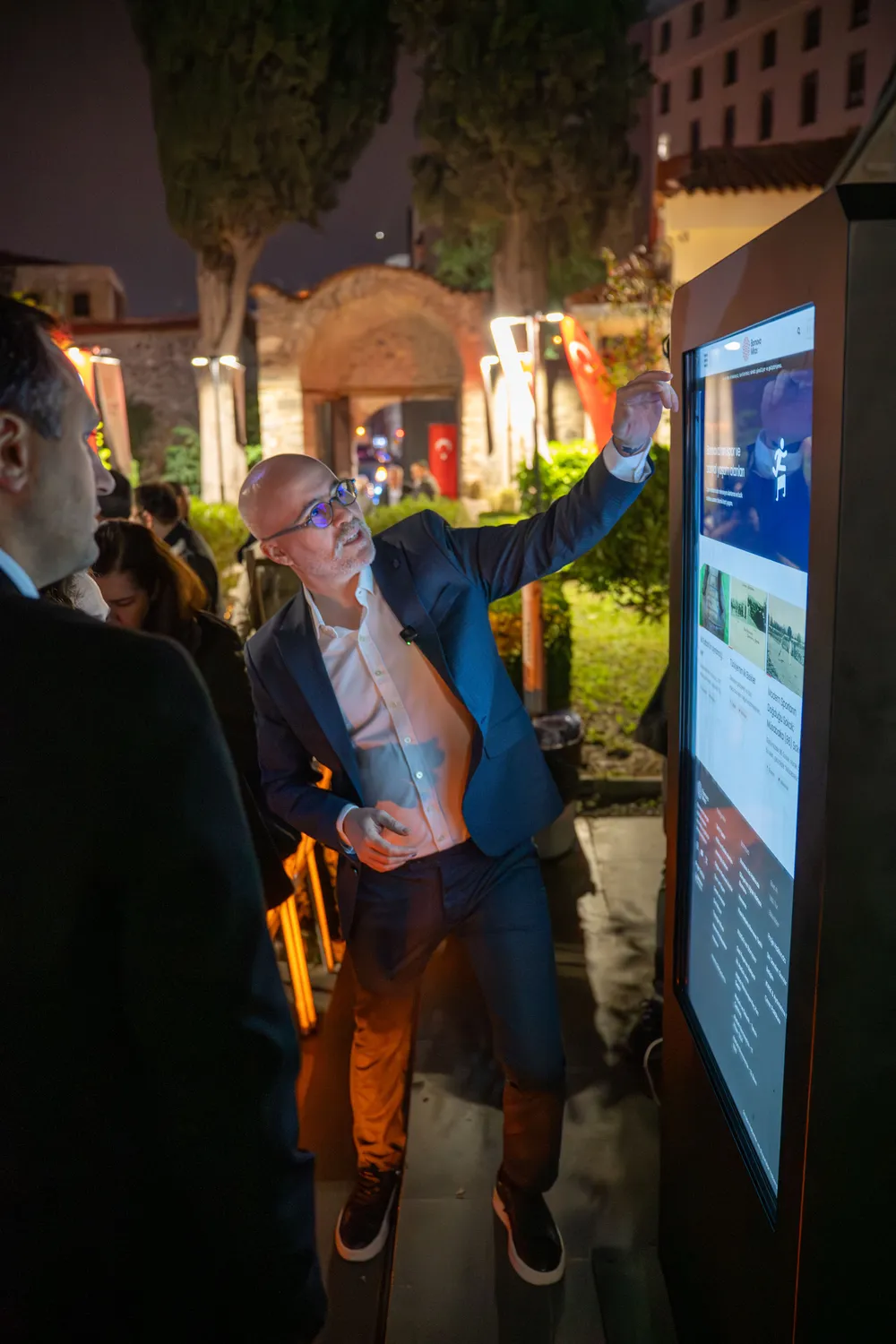
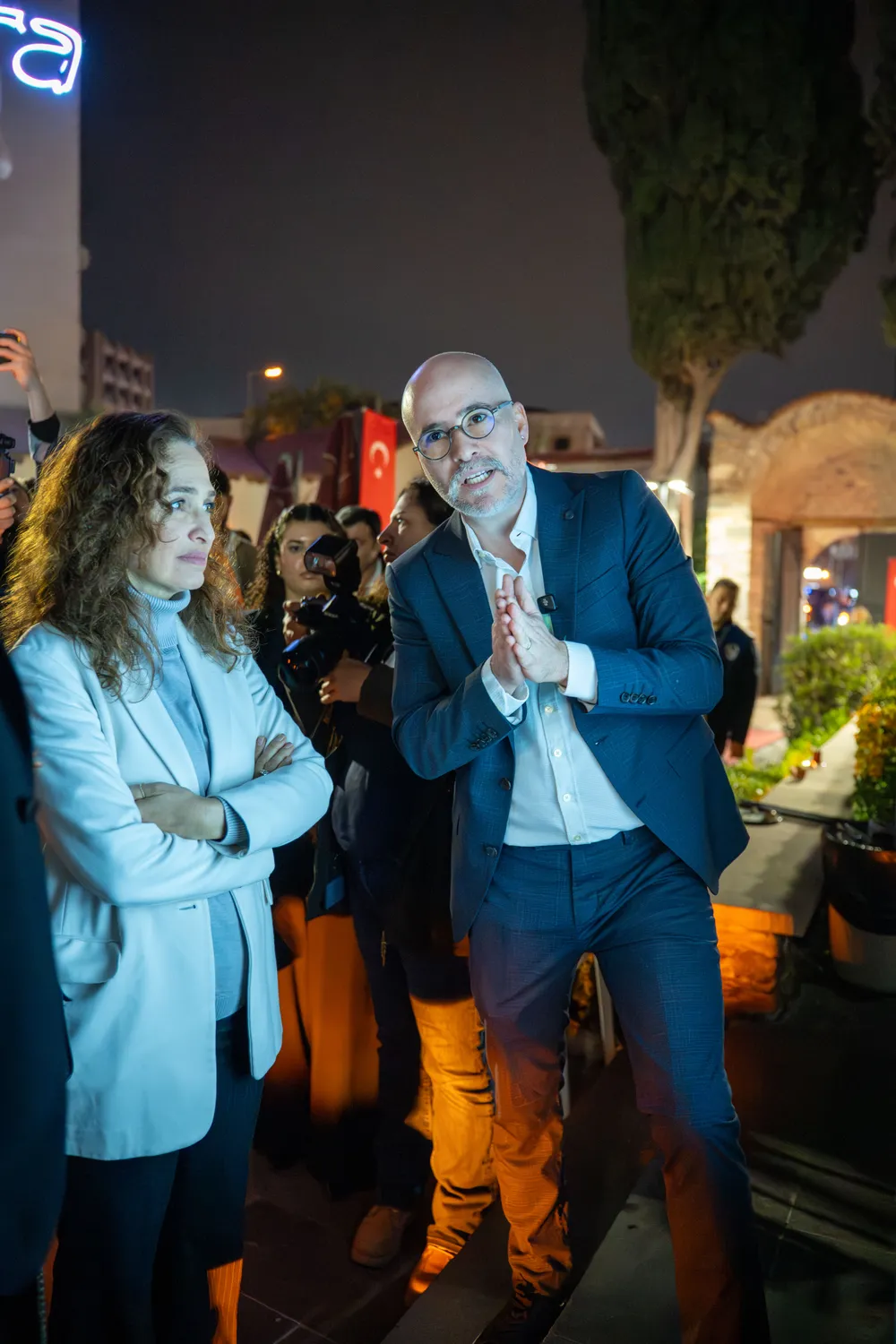
Following the speeches, guests had the opportunity to examine the project details and receive information from experts at the Bornova Heritage information kiosks. The program concluded with a “Bornova Heritage Family Photo” taken in front of a specially prepared panel.
Key components of the Bornova Heritage project:
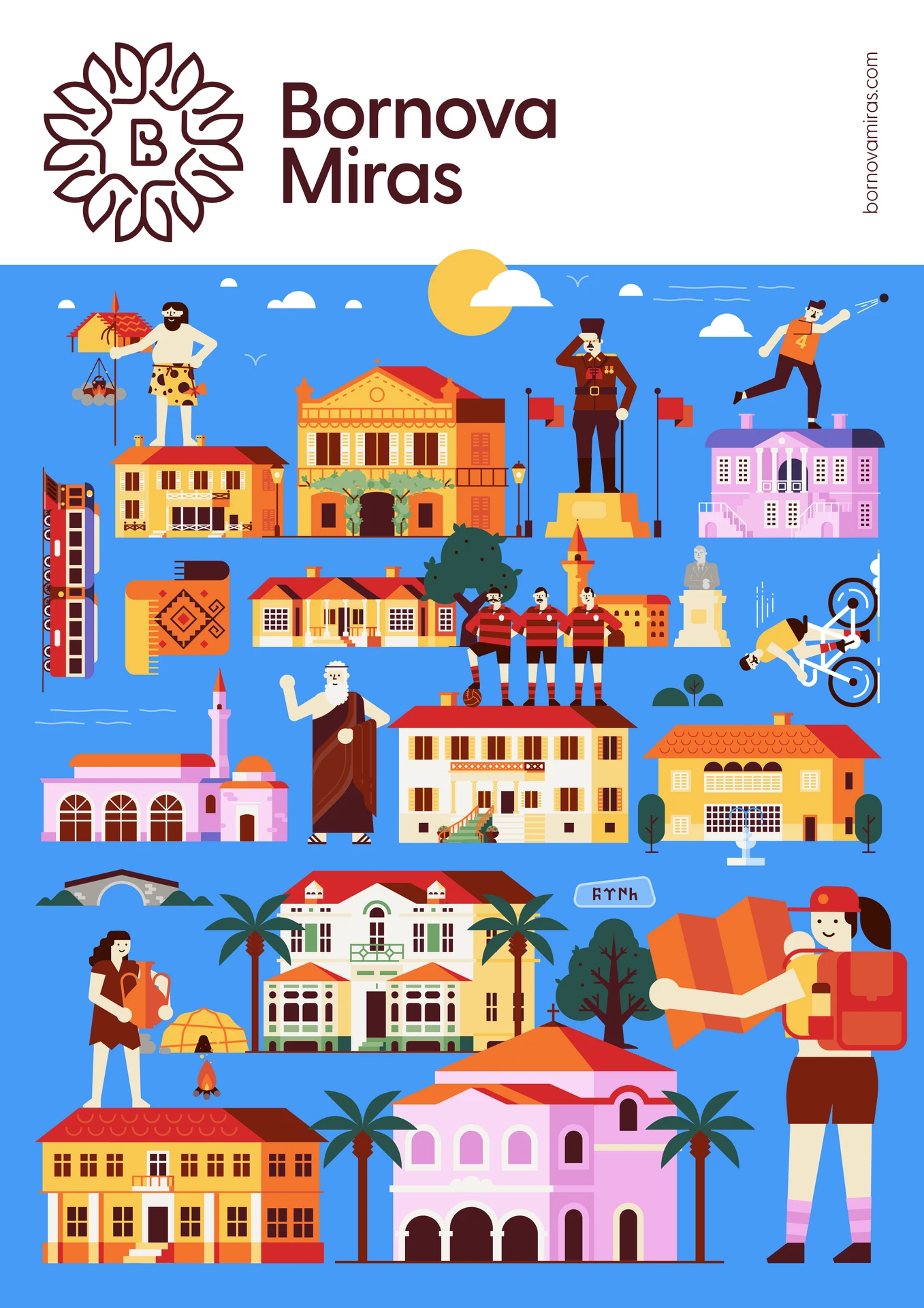
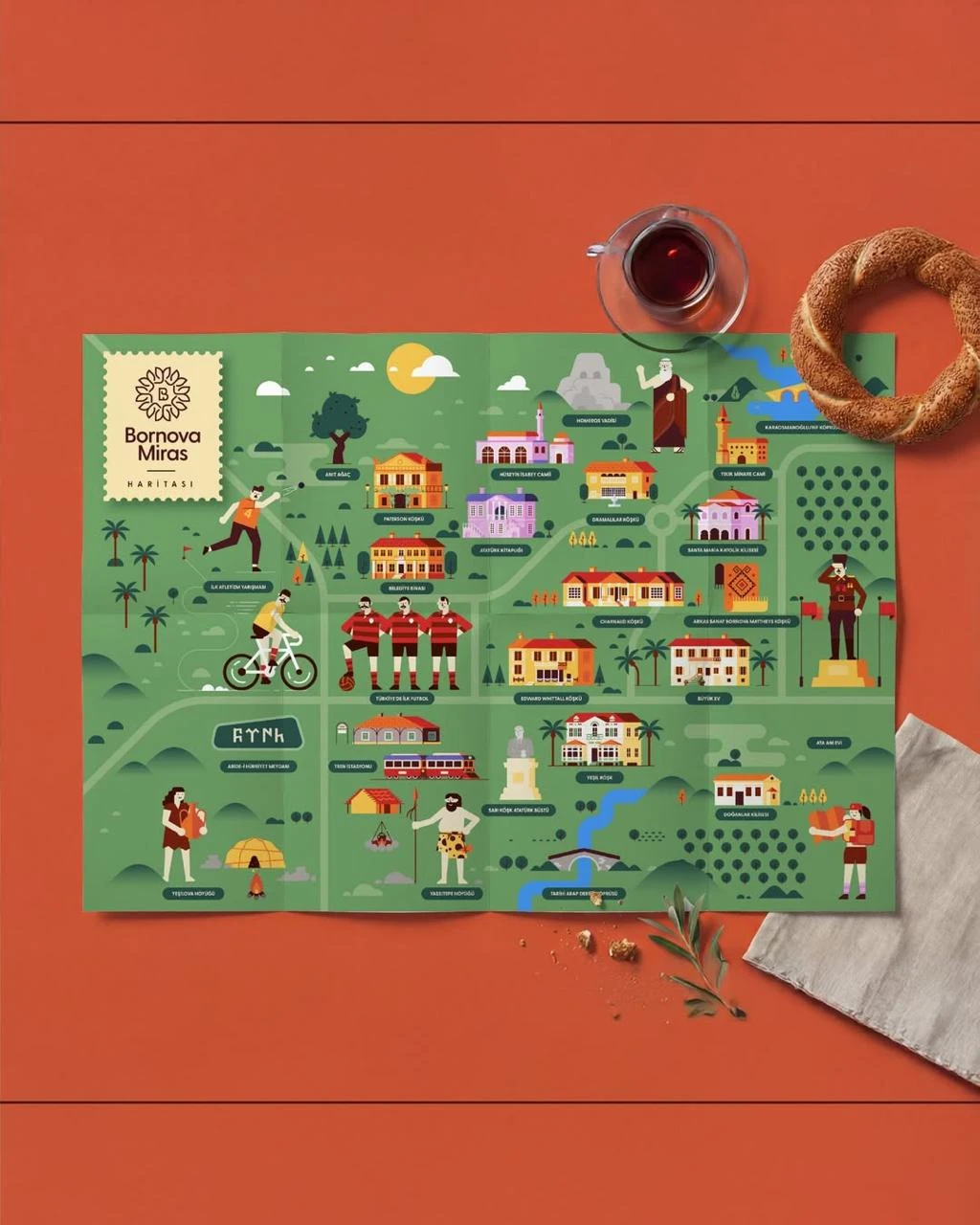
Bornova Heritage Map: A comprehensive map that brings together the city's historical and cultural points in a single visual guide, consisting of walkable and thematic stops.
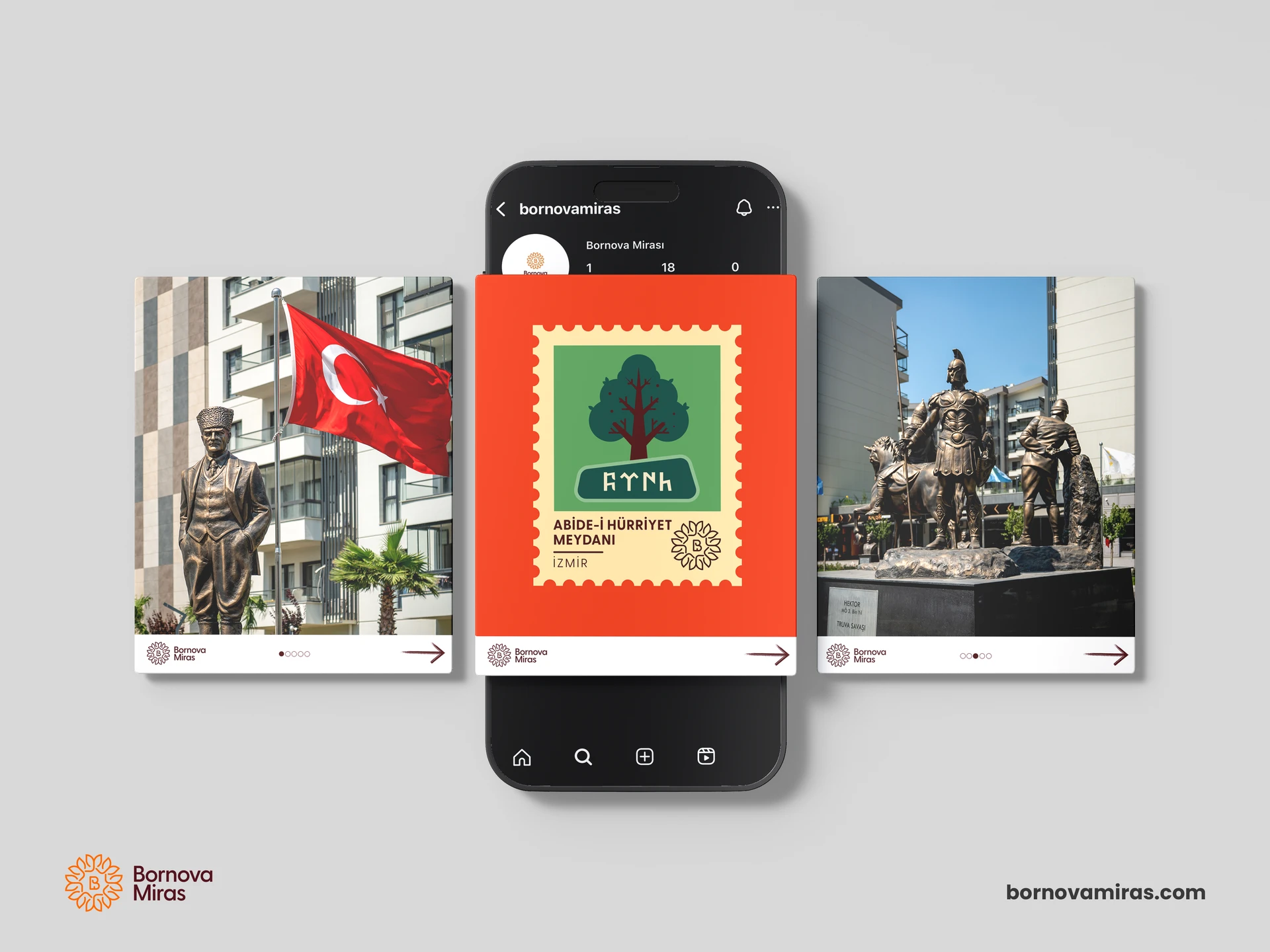
Digital Platform and Website: A user-friendly digital experience enriched with spoken descriptions and specially prepared content for each stop.
On-site and digital exploration opportunities: A heritage site that can be explored both on-site and online through restoration, promotion, and awareness-raising activities.