Agriculture and Solidarity Grow Together in Bornova
A New 30-Decare Community Garden Is on the Way
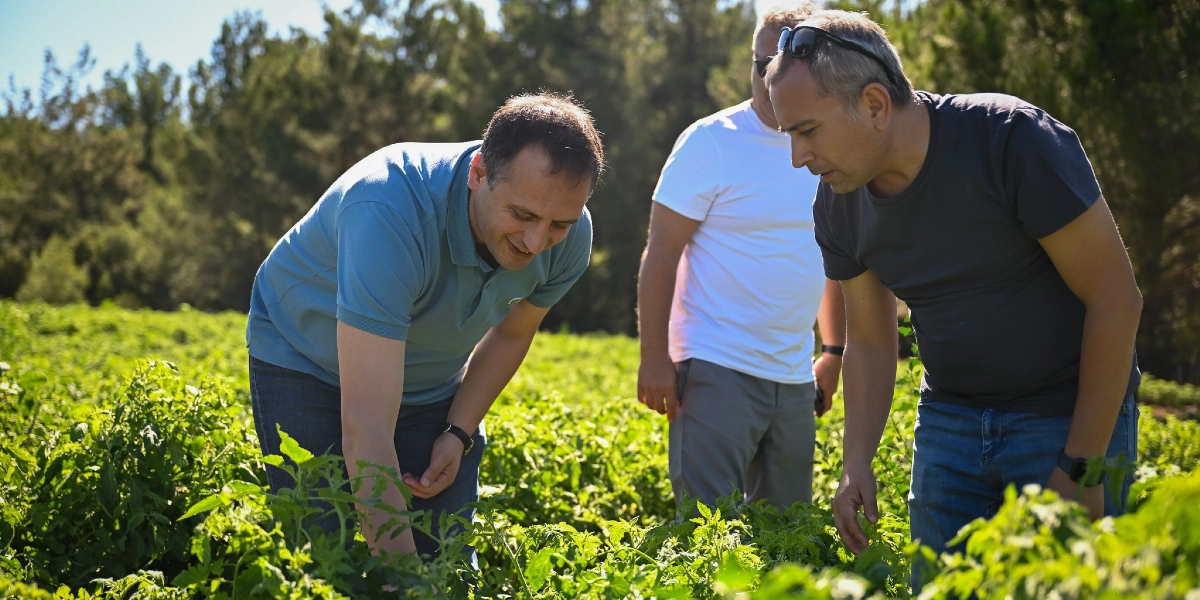
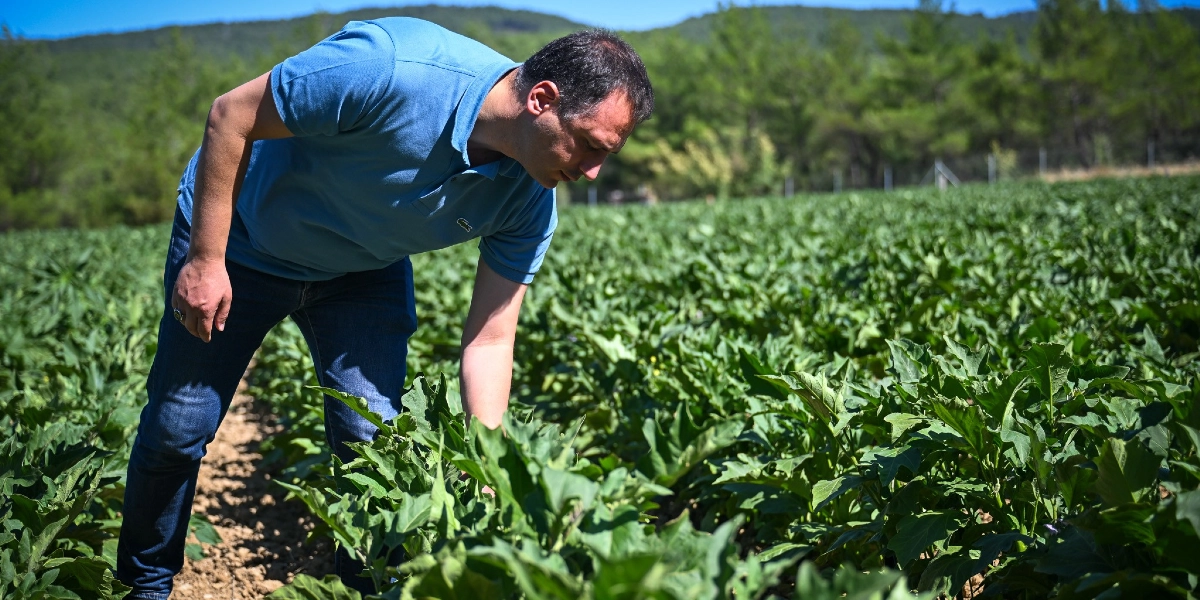
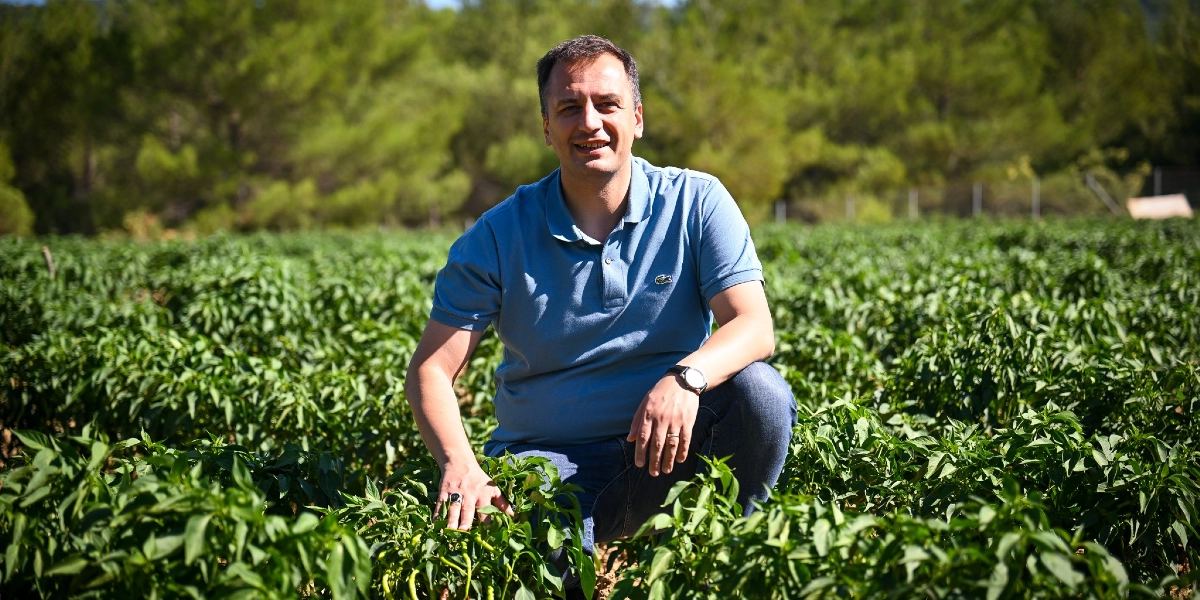
Bornova Mayor Ömer Eşki visited the 15-decare Community Garden established at the Natural Farming Estate in Yakaköy during its first harvest. Inspecting the site in detail, Mayor Eşki emphasized that Bornova has transformed idle land into urban agriculture areas of record-breaking scale and announced a new milestone:
"Right in the heart of the city, we will bring another 30-decare community garden into service for the women and residents of Bornova."
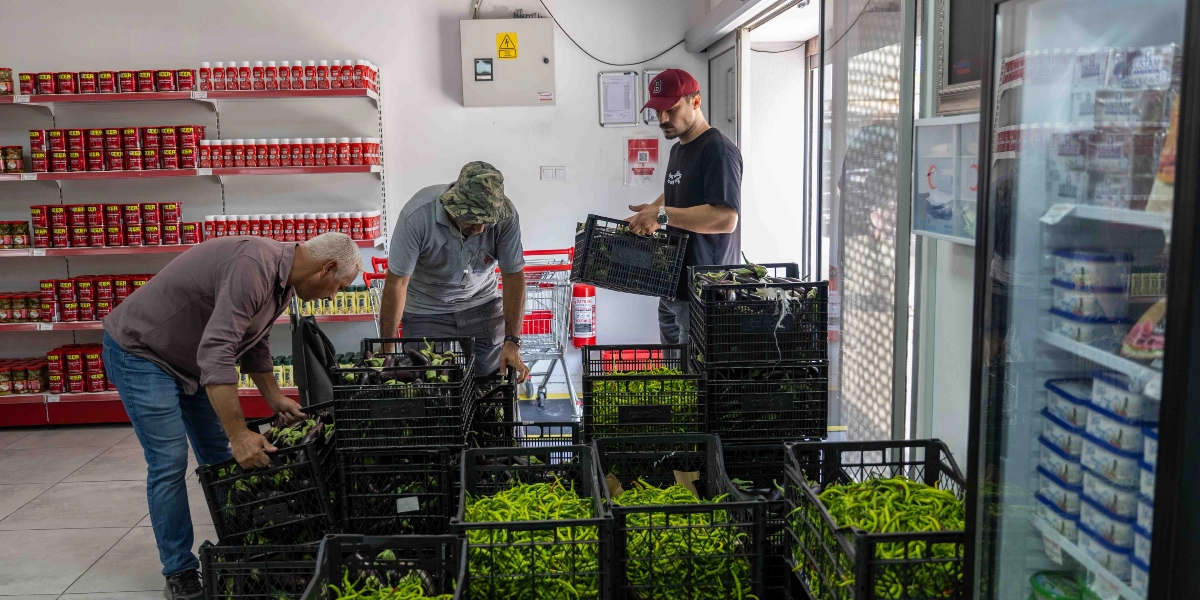
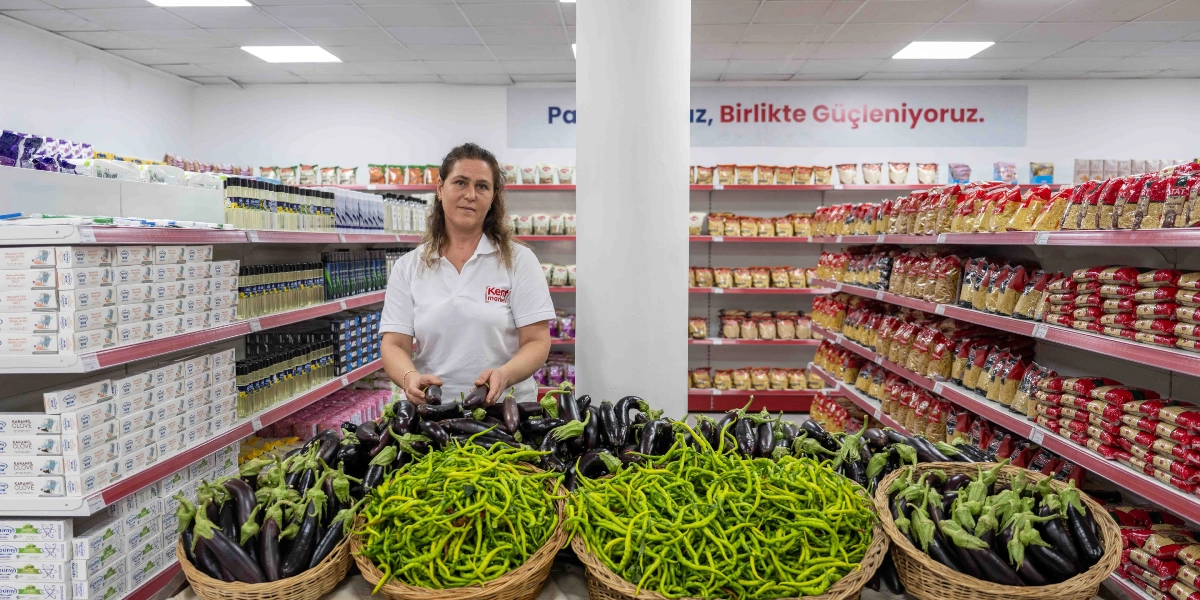
The first harvest has already begun reaching the shelves of Kent Market stores.
Bornova Municipality continues to expand its urban agriculture initiatives to increase local food production and improve access to healthy, fresh produce. During his visit to the 15-decare Community Garden at the Natural Farming Estate in Yakaköy, Mayor Eşki evaluated the project's productivity while sharing the municipality's broader vision for sustainable urban farming.
400 Women and University Students Joined the Harvest
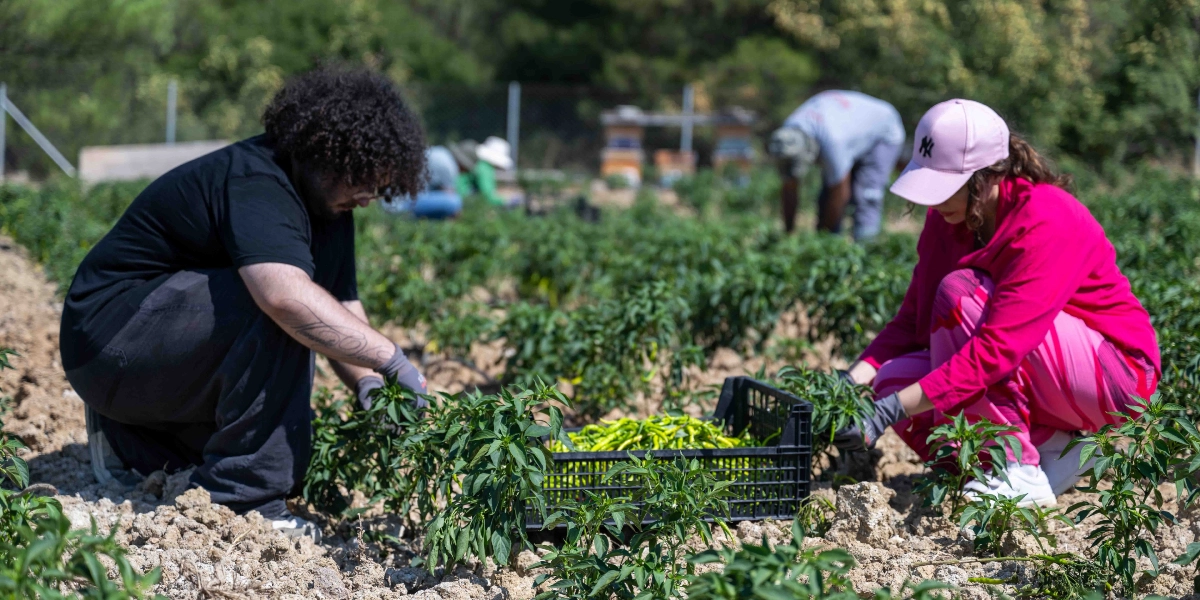
Highlighting the project's strong social dimension, Mayor Eşki explained that the community garden was designed especially for women living in urban neighborhoods who do not have access to land for cultivation.
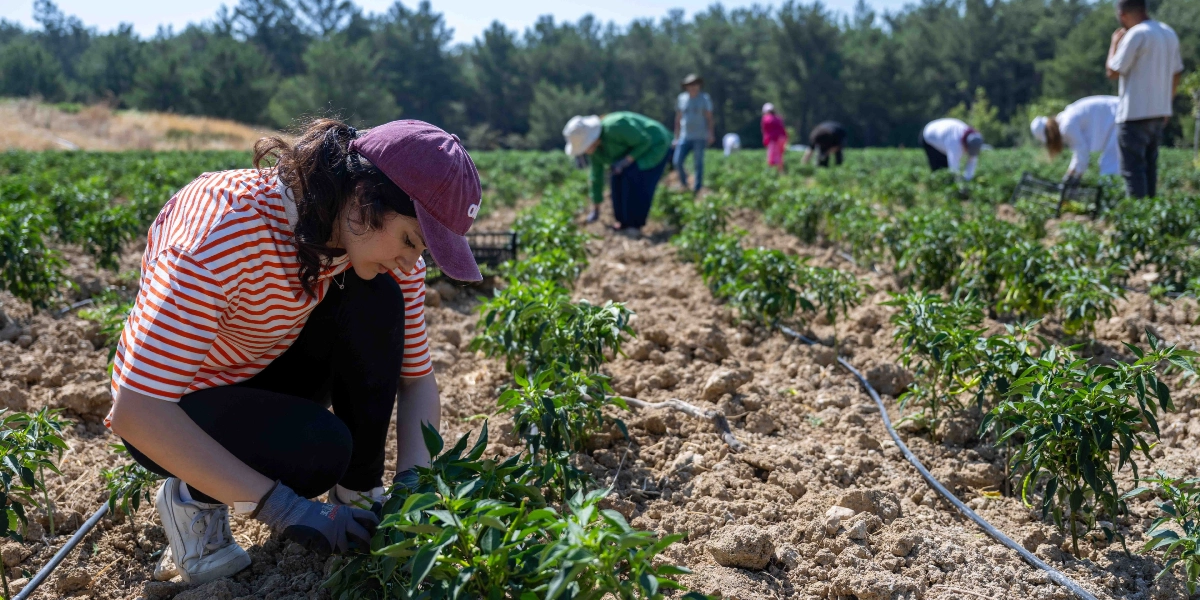
He noted that the 15-decare site has entered a highly productive harvest season, with approximately 400 women from across Bornova, together with university students, actively participating in harvesting tomatoes, peppers, and eggplants.
Harvested Produce Reaches Homes and Kent Markets
The distribution model reflects Bornova Municipality's commitment to social solidarity.
The harvested vegetables are shared directly with the participating women and students, helping support their household food budgets. In addition, a portion of the produce harvested by university students is distributed free of charge to families in need through the municipality's Kent Market network.
Mayor Eşki: "We Have Broken Our Own Record Three Times"
Following his inspection of the community garden, Mayor Ömer Eşki said:
"We are standing in Türkiye's largest community garden. Since this site is located outside the city center, it is not easily accessible to nearby residents. It was created specifically for women living in central neighborhoods who want to cultivate land but do not have gardens of their own. On this 15-decare site, we grow tomatoes, peppers, and eggplants, and we are enjoying an exceptionally productive harvest season. Around 400 women from different neighborhoods of Bornova are harvesting here.
University students also participate in the harvest. They take the produce home, while part of what they harvest is delivered free of charge to families in need through our Kent Markets. Our goal is to put every idle space and every available resource in Bornova into the service of our citizens. Türkiye's three largest community gardens are all located in Bornova. In other words, we have surpassed our own record three times. Now we are preparing an even larger, approximately 30-decare community garden in the heart of the city for our residents and especially for our women."
A Goal: A Community Garden in Every Neighborhood
Mayor Eşki stressed that Bornova Municipality remains committed to transforming vacant land into productive public spaces.
Building on the success of the 15-decare Yakaköy Community Garden, preparations are underway for a 30-decare community garden in central Bornova. Once completed, residents—particularly women living in urban neighborhoods—will have access to a large, modern agricultural space within walking distance of their homes.
Urban Agriculture Supporting a Greener Future
Community gardens have become one of the world's most effective urban sustainability initiatives, reconnecting city residents with nature while promoting environmental awareness and local food production.
By combining this global approach with local needs, Bornova Municipality is transforming underutilized land into productive green spaces. These community gardens not only strengthen ecological balance but also contribute to urban microclimates, reduce carbon emissions, and offer residents a more sustainable and resilient way of life.