A Roadmap Prepared for Bornova’s Historical Identity
Planning and Design Guide to Protect the Urban Conservation Area Completed
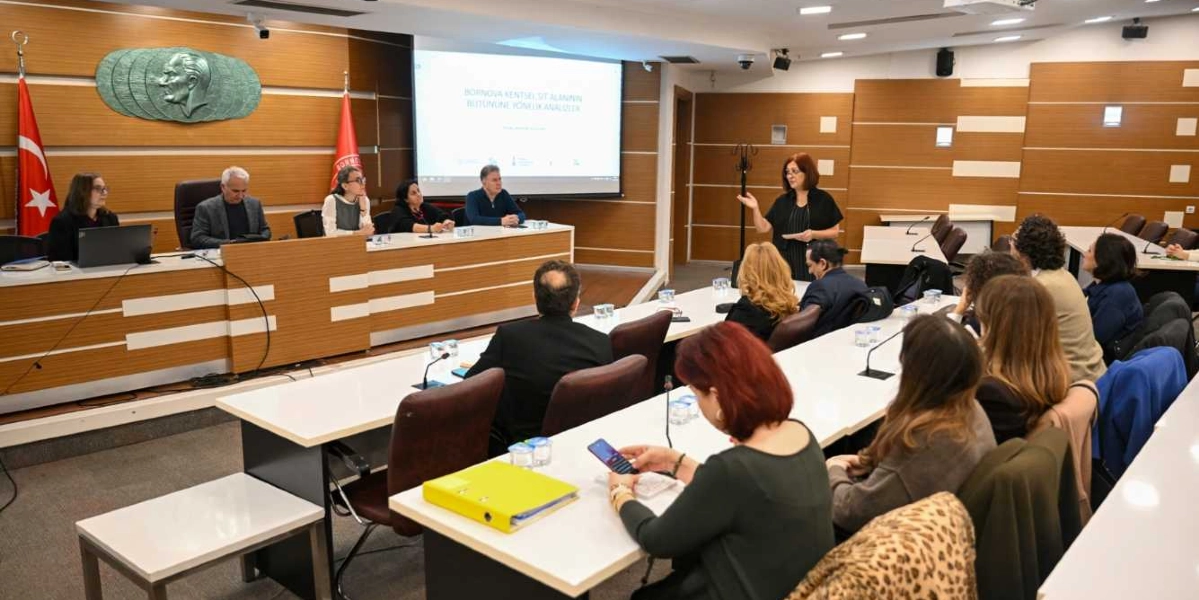
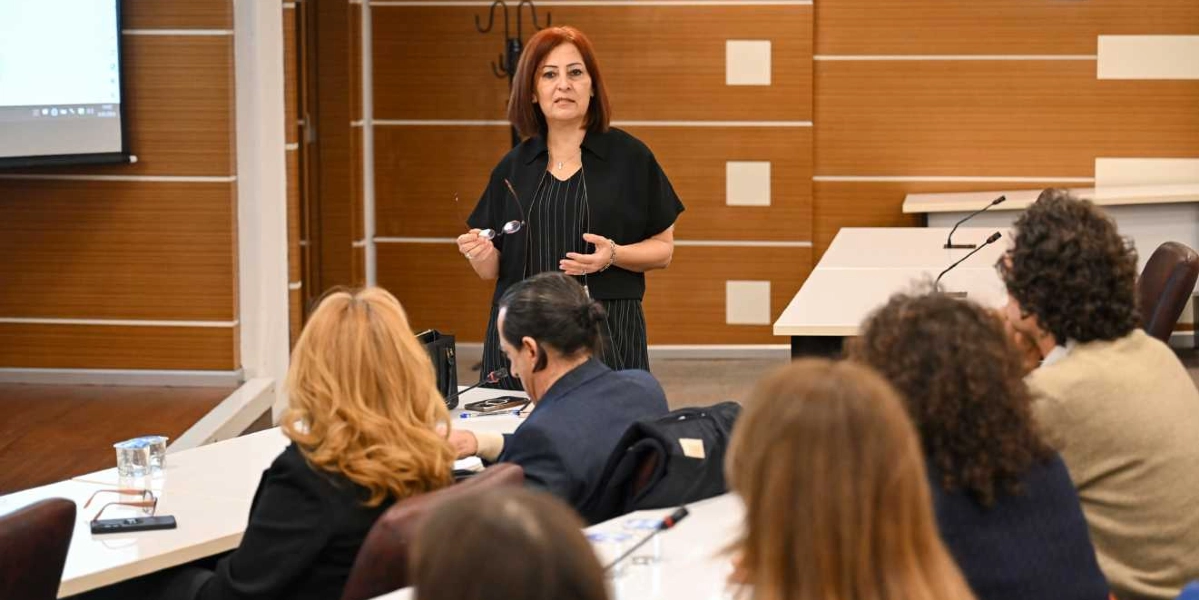
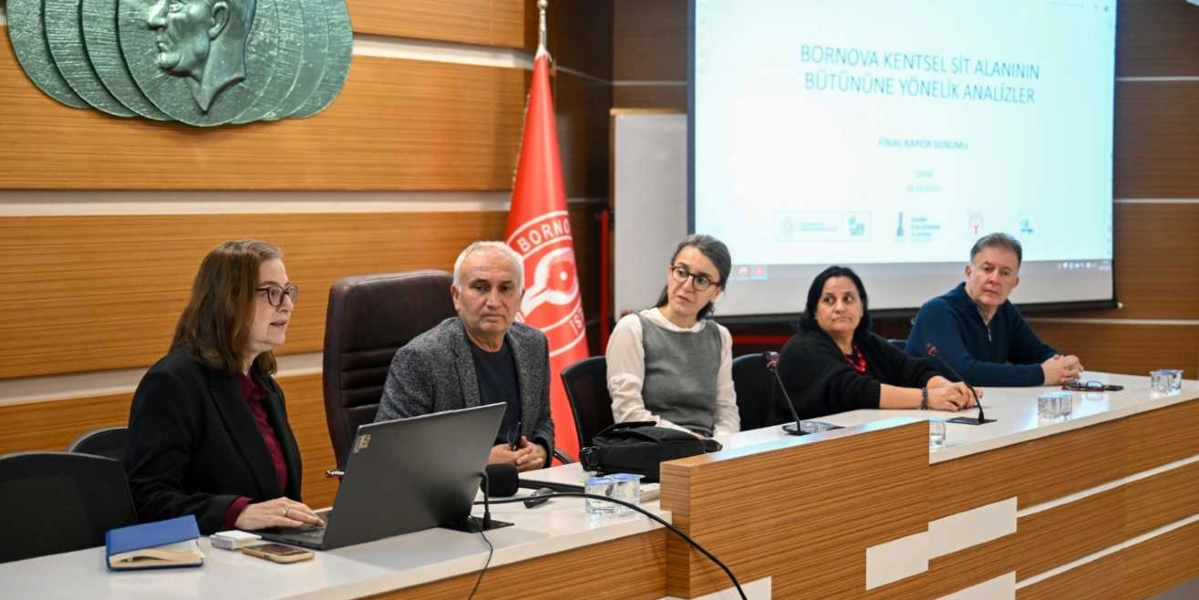
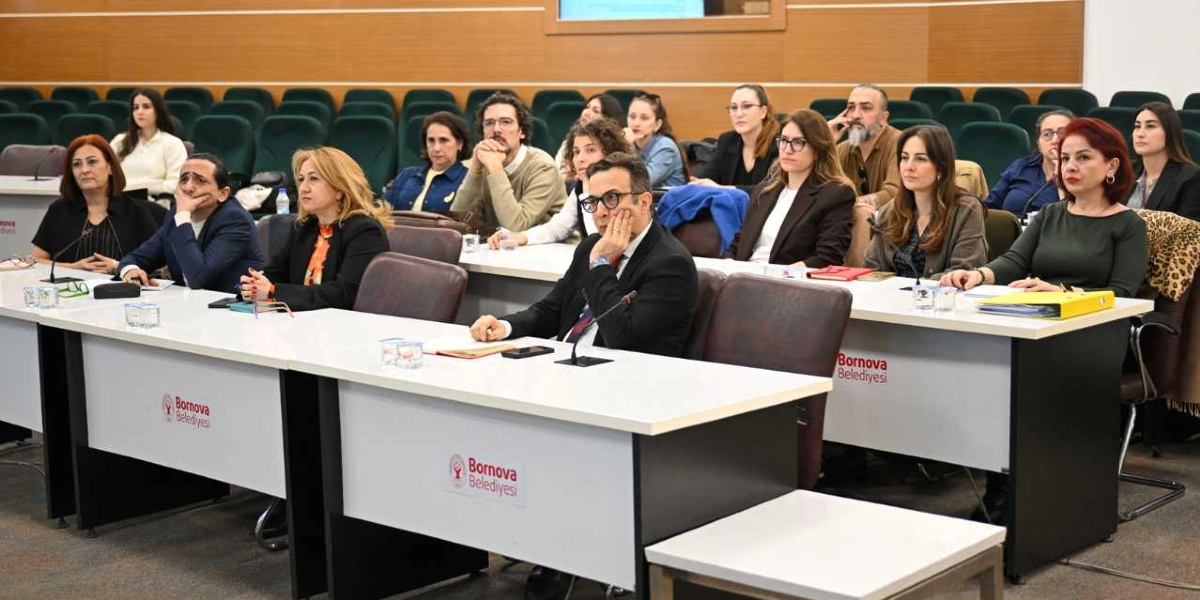
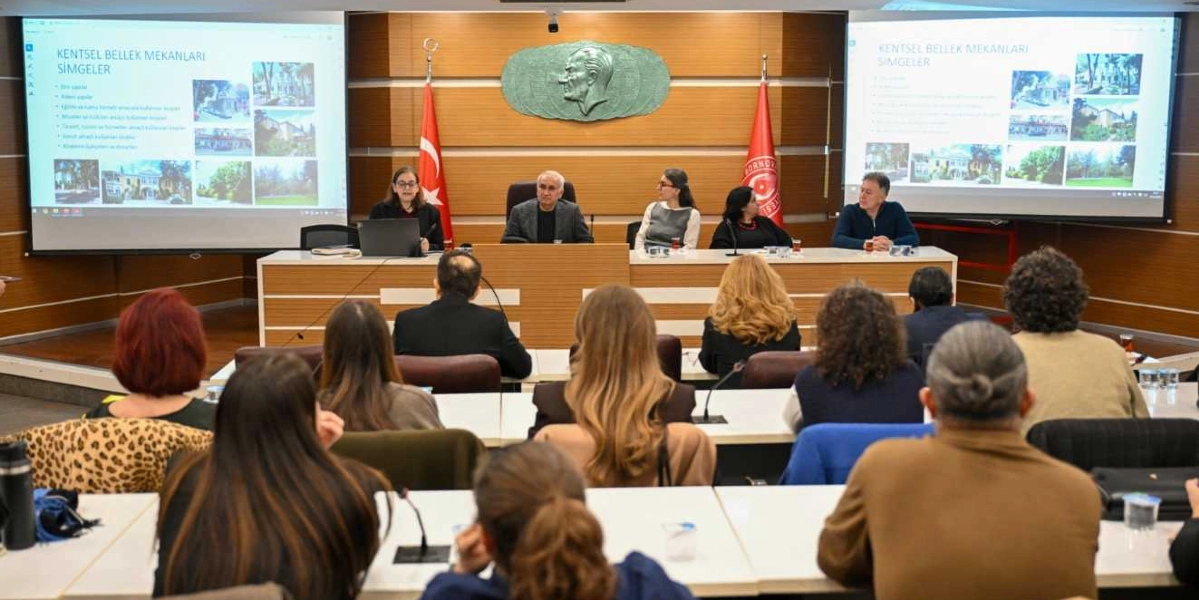
The project titled “Preparation of Spatial Analyses and an Urban Design Guide as a Basis for the Conservation-Oriented Development Plan of the Bornova Urban Conservation Area,” carried out by Bornova Municipality with the support of the İzmir Development Agency (İZKA), has been completed. The analysis and final report of the six-month study were presented at a meeting held in the Assembly Hall of the Bornova Municipality Nevzat Kavalar Cultural Center.
Bornova’s memory documented through academic expertise
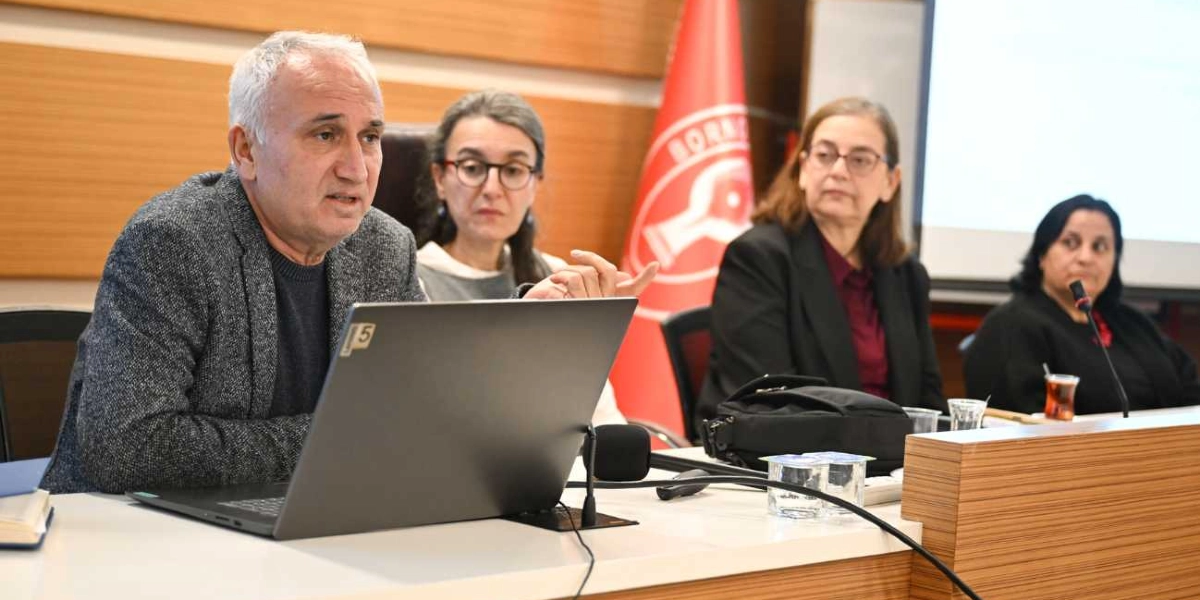
At the meeting, academics who contributed to the project shared their evaluations of the area. Urban Planner Prof. Dr. Emine İpek Özbek from Dokuz Eylül University Faculty of Architecture drew attention to the uniqueness of the Bornova Urban Conservation Area, stating:
“This is a very special area. With the implementation of our proposals, Bornova’s historical identity will be further strengthened.”
Levantine heritage: Bornova’s cultural richness
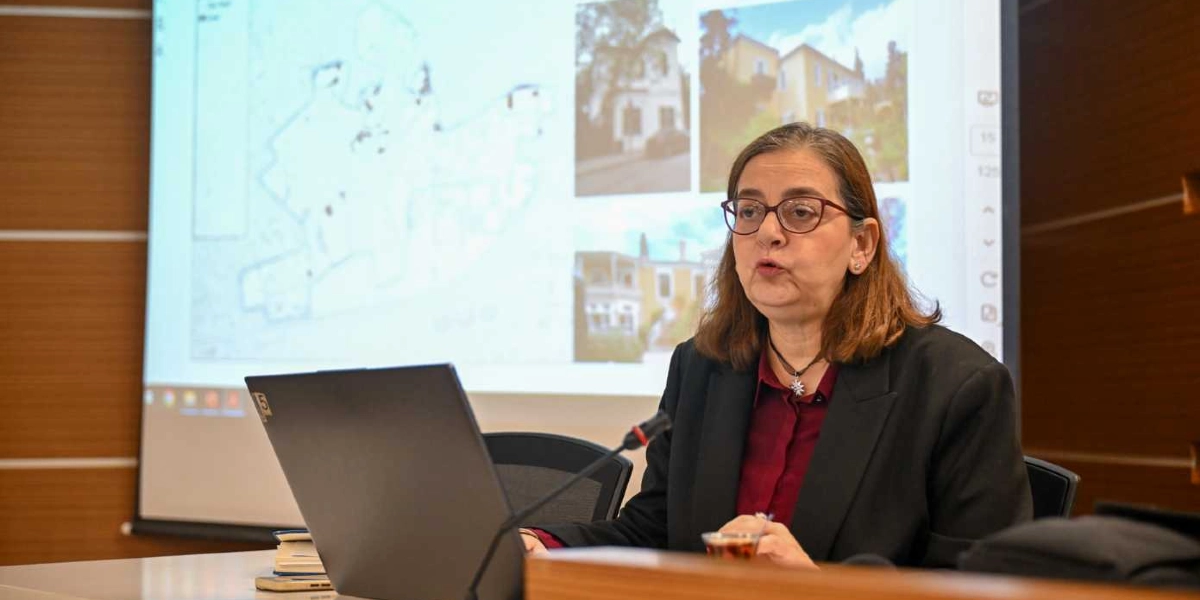
Also from the same faculty, Restorer and Architect Prof. Dr. Nezihat Köşklük Kahya explained the building typologies in the area, saying:
“There are many different types of buildings bearing the traces of French, Italian, and British Levantines. This diversity represents Bornova’s cultural richness.”
Bornova as a Turkish city…
Prof. Dr. Şakir Çakmak, a faculty member of the Department of Art History at Ege University Faculty of Letters, stated that a Turkish city called Burunabad, established no later than the 15th century and containing structures such as mosques, madrasahs, baths, darülkurras, and tombs, once existed in Bornova. He noted that from the 17th century onward, this settlement also became attractive to Levantine merchants arriving in İzmir, one of the most important port cities of the Mediterranean.
“Bornova has a rich heritage composed of structures belonging to different identities. The projects implemented by Bornova Municipality are very valuable in terms of promoting and preserving this heritage,” he said.
“Bornova’s green identity should be strengthened again”
Landscape Architect Lecturer Hüseyin Ünüvar from Dokuz Eylül University Faculty of Architecture presented the Landscape Assessment Report and shared conservation and development proposals. Emphasizing the need to increase drought-resistant plants and shade-providing trees, Ünüvar stated:
“Bornova’s green identity should be strengthened again.”
“These data will be a guiding reference”
Following the presentations, Bornova Municipality Deputy Mayor Özlem Ayan highlighted the importance of the project, saying:
“It was a very valuable process in which we worked and learned together. The analyses and proposals put forward will serve as a guide for our work in the coming period. We sincerely thank everyone who contributed.”
Implementation begins in the Historic Grand Bazaar
Another Deputy Mayor of Bornova Municipality, Ersel Tanrıöver, announced that implementations in the Urban Conservation Area will begin in the Historic Grand Bazaar area. He stated that projects related to building façades, lighting, and environmental arrangements are ready and that the necessary applications have been submitted to the General Directorate of Foundations.
A guide for the conservation-oriented development plan
The six-month study, conducted by a project team that included Prof. Dr. Şehriban Kaya, Sociologist from Dokuz Eylül University Faculty of Business, and Dr. Umut Erdem, Urban Planner and GIS Specialist from İzmir Democracy University Faculty of Architecture, resulted in the preparation of a Spatial Analysis Report and an Urban Design Guide containing important data for the protection of the Bornova Urban Conservation Area.
The study examines in detail the area’s historical development, building fabric, open space system, transportation, and public use relationships, while also defining guiding principles on topics such as cultural routes, strengthening historic focal points, signage and façade arrangements, pedestrian-priority transportation, traffic calming, and bicycle use. The guide is intended to serve as a key reference document in the process of updating the Conservation-Oriented Development Plan.