A New Vision for Agriculture, Production, and Local Values from Mayor Eşki
Bornova’s Lost Treasure Returns: The Misket Grape Comes Back to Life
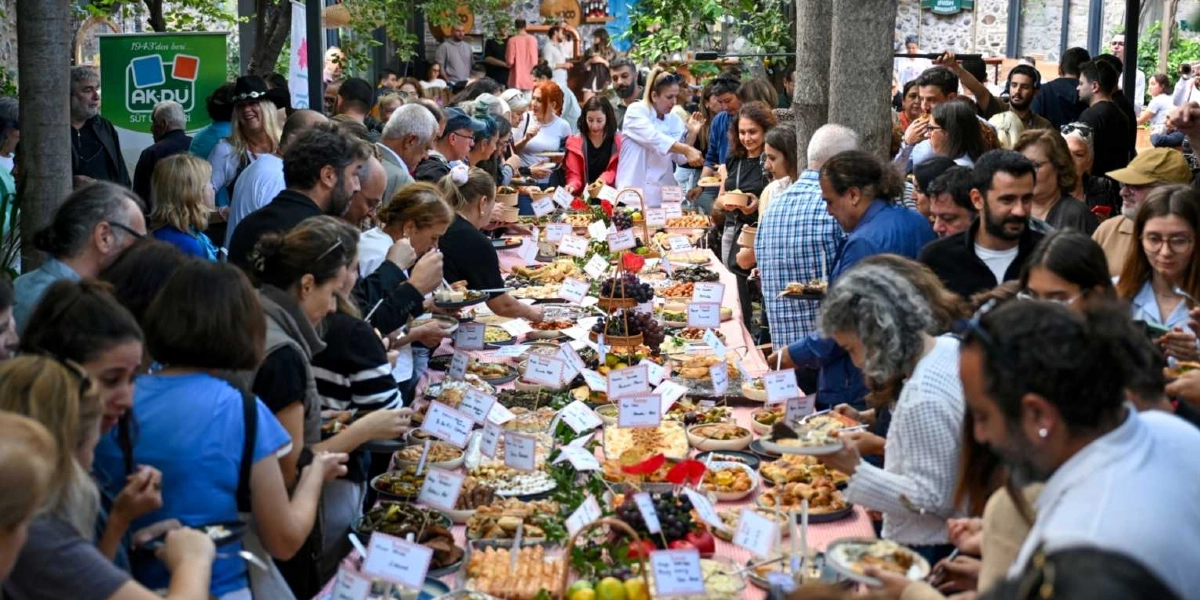
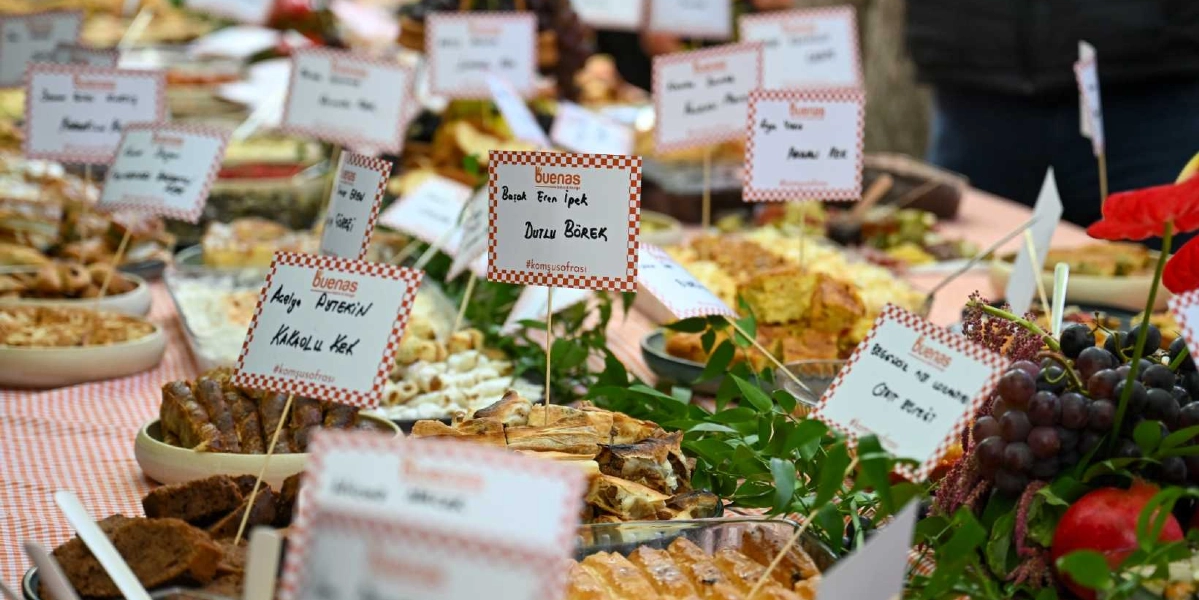
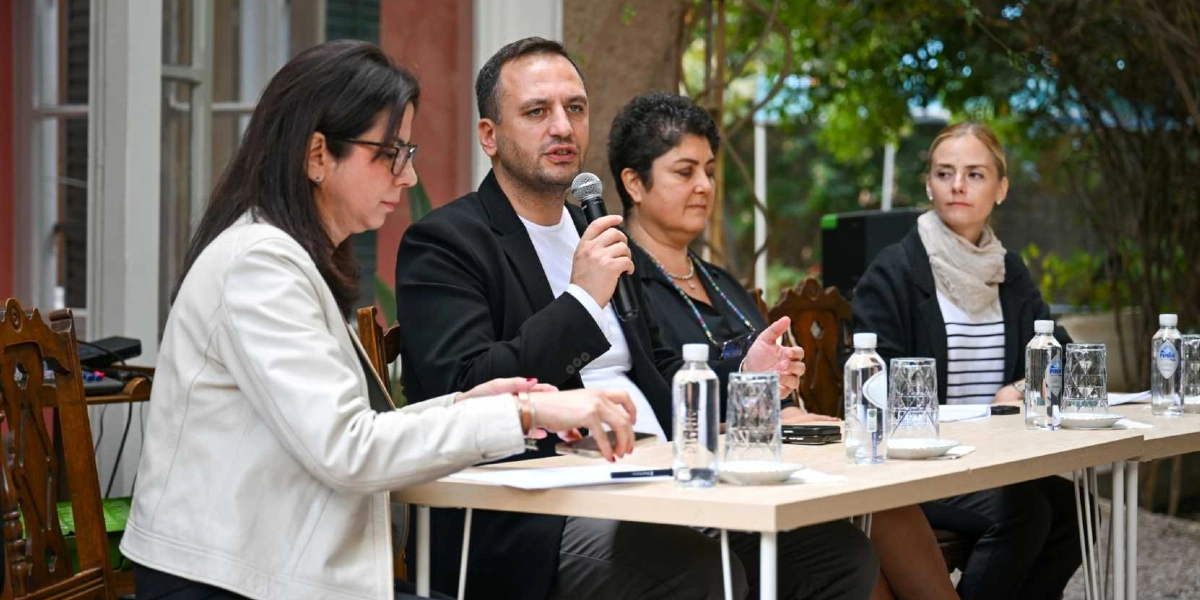
Bornova Mayor Ömer Eşki shared the efforts to revive Bornova’s symbolic Misket Grape at the 6th Komşu Sofrası (Neighbors’ Table) event. Emphasizing that they aim to expand urban gardens and increase women’s participation in production, Eşki underlined that the Misket Grape will play a key role both in local agriculture and in the city’s branding. He also announced projects such as a harvest festival and a Homer-themed promotion area to showcase the product.
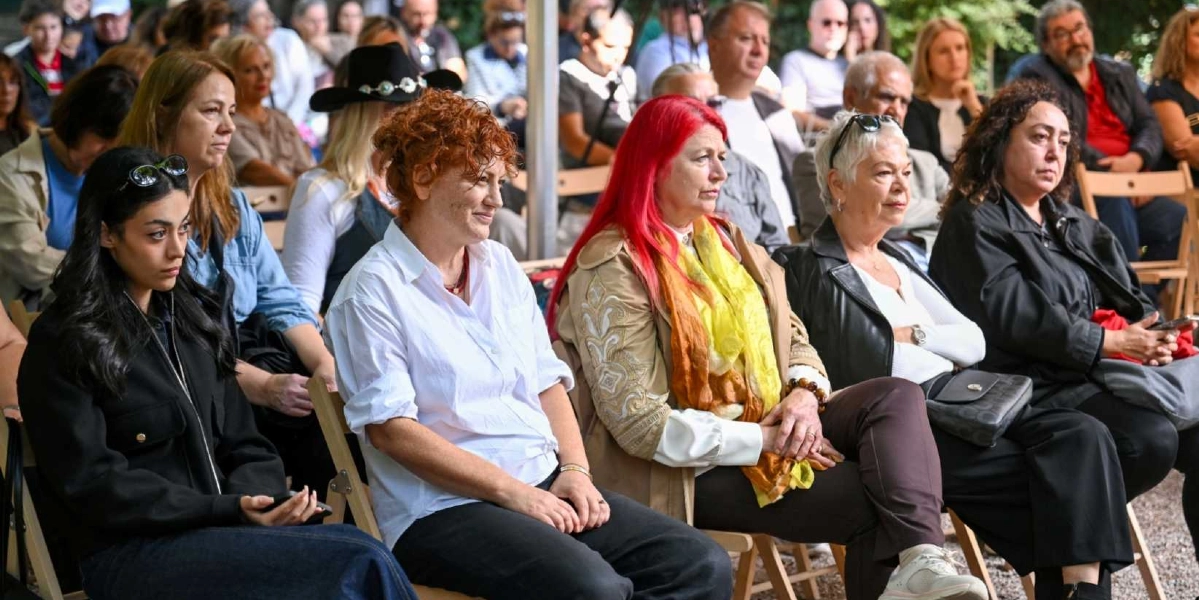
Speaking at the panel “Discussing Bornova’s Misket Grape” during the Komşu Sofrası, now in its sixth year, Mayor Eşki highlighted Bornova’s historical treasure and gave the good news of concrete steps for the future.
“We are rediscovering a lost treasure”
Mayor Eşki stressed that the Misket Grape had long been neglected:
“The Misket Grape was a lost treasure for us. Initial studies began when I started working at Bornova Municipality in 2010. But over the years, production dropped to almost zero. Now, we are reuniting this unique product with Bornova’s soil.”
Eşki stated that in collaboration with the Manisa Viticulture Research Institute, vineyards were established with volunteer producers, and a new 9-acre production area was being planned in Işıkkent.
Bornova Tulip, Okra, and Misket Grape on the same land
Eşki added that the municipality is not only reviving the Misket Grape but also working intensively to bring back traditional products such as the Kınalı Okra and the Bornova Tulip:
“Soon, our tulips will decorate Bornova’s landscapes,” he said.
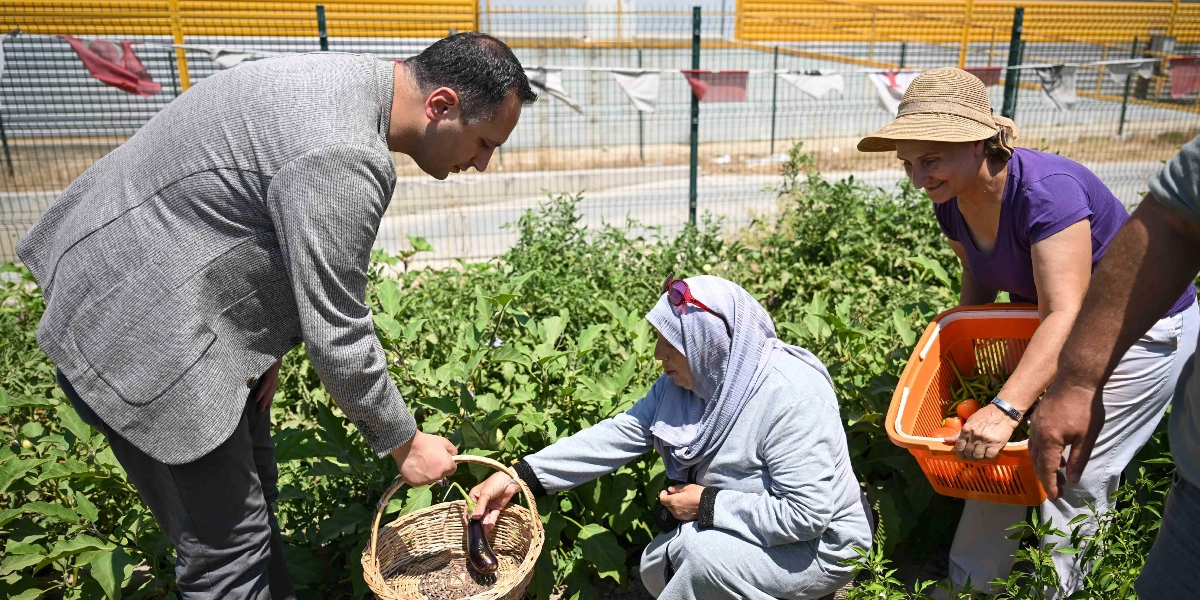
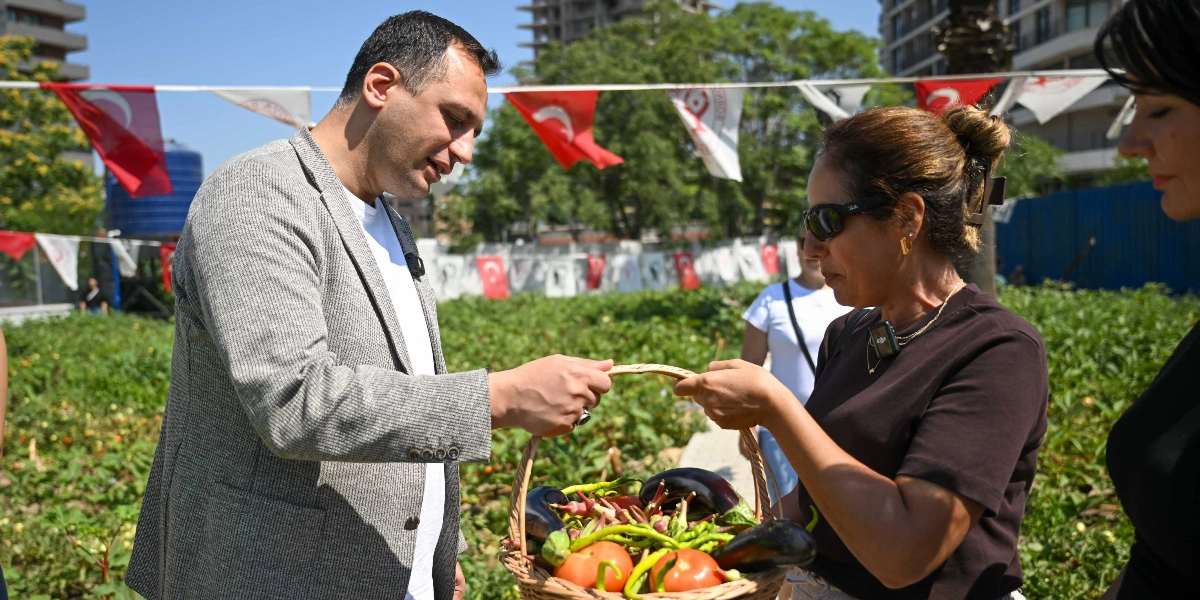
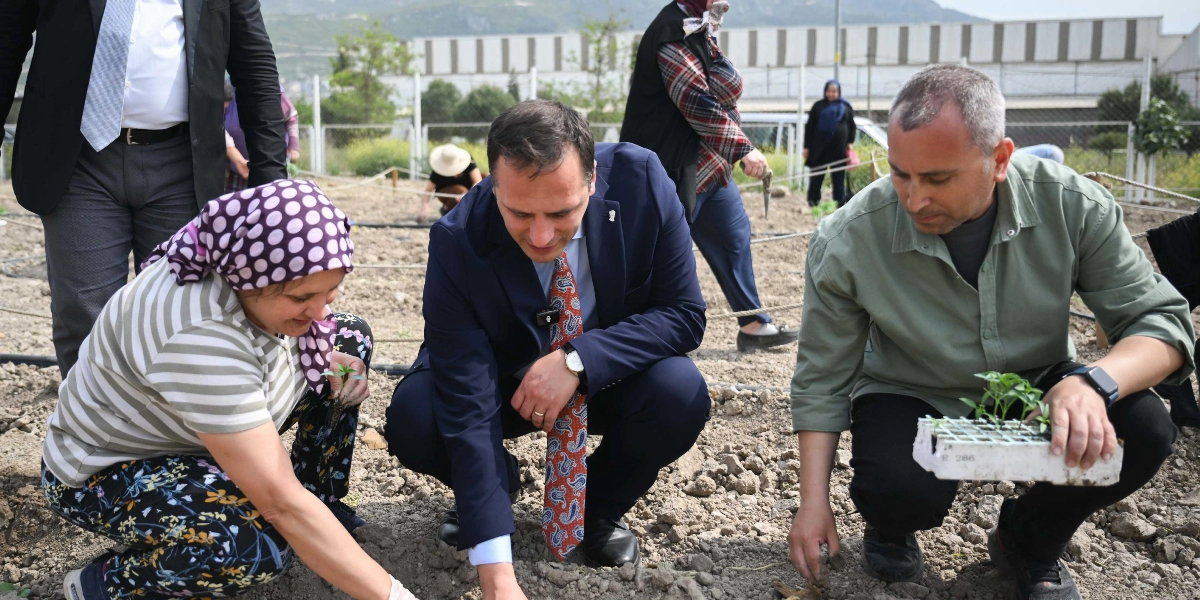
He also pointed out that nearly 500 women are currently producing in six urban gardens across Bornova. “By the end of our term, we want to expand this number to 24 gardens, enabling 3,000 women and households to produce their own food,” Eşki explained, presenting his vision of a socially driven, production-based agricultural model.
Misket Grape next to your coffee
Eşki emphasized that the Misket Grape is not only an agricultural product but also a cultural symbol:
“The must made from Bornova’s Misket Grape is incredibly delicious. When we served it in small glasses alongside coffee, everyone loved it. Our goal is to make Misket must a regular offering in Bornova’s cafés.”
He said this would integrate the grape into daily life while boosting Bornova’s branding.
From harvest festival to Homer’s legacy
Mayor Eşki announced plans to organize a “Harvest Festival” as a new symbol of Bornova:
“Once this product reaches the tables, we will transform it into a festival that both supports producers and promotes Bornova.”
He also revealed plans to create a Homer-themed promotion and sales area around Homer’s Cave:
“This will not only include Homer-related souvenirs but also products tied to the Misket Grape and its branding. In Büyükpark, we plan to set up a symbolic Misket vineyard and distribute grape cuttings to citizens.”
“Bornova, the city of women, children, and production”
Eşki concluded by stressing that parks will be transformed into spaces where women and children can socialize and produce:
“We will turn our parks into places not just for sitting but for producing, sharing, and experiencing nature. Agriculture will become part of social life.”