A Digital Revolution in Disaster Preparedness from Bornova


Mayor Eşki: “We Will Manage Data, Not Chaos”
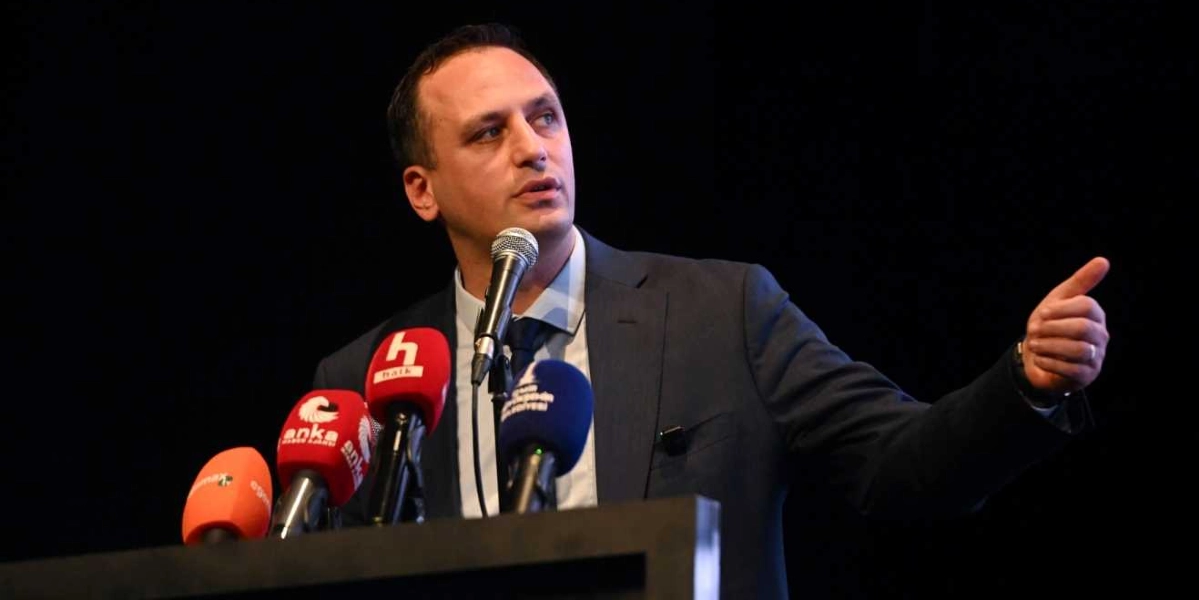
Bornova Mayor Ömer Eşki emphasized that the Digital Twin Platform, recently launched by the municipality, will overcome the greatest challenges in disasters—coordination breakdown and chaos—through data-driven management. Stating that all risks, from earthquakes and wildfires to floods and energy infrastructure failures, are analyzed in advance, Eşki noted that this system—an unprecedented initiative at the district level in Türkiye—has made Bornova better prepared for disasters and faster in response. The platform delivers an integrated smart city and urban resilience model that monitors the city in 360 degrees.
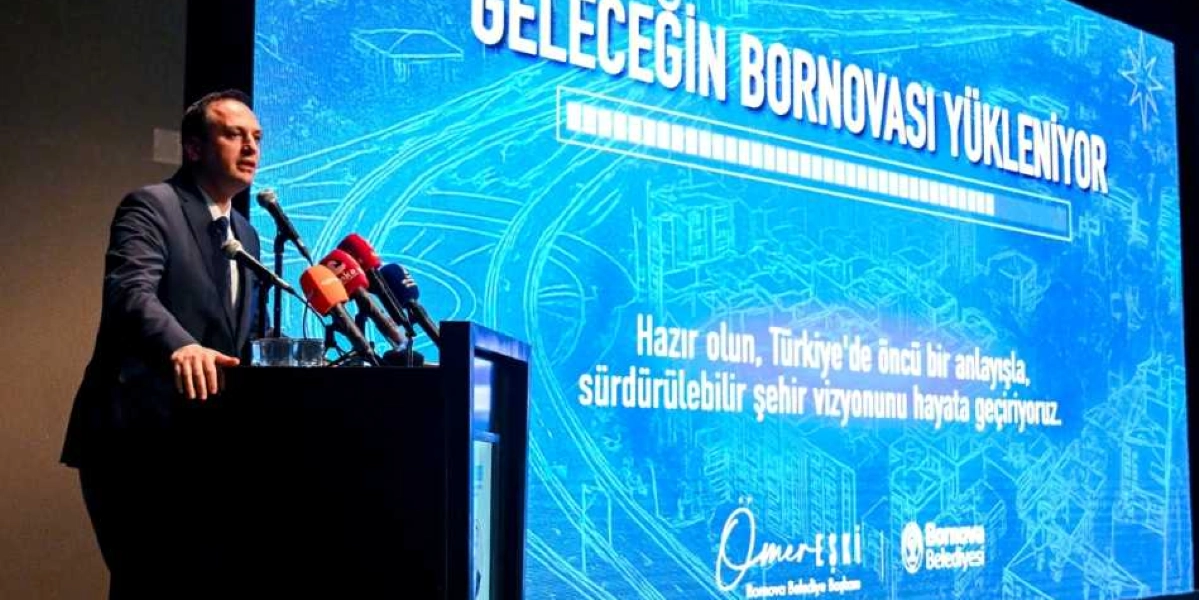
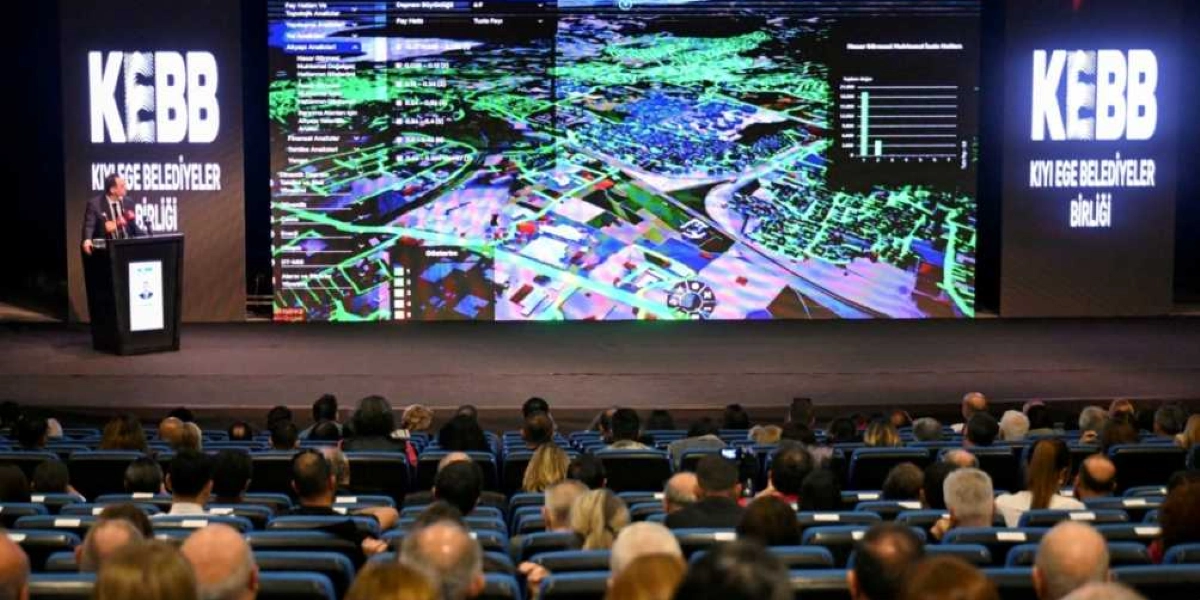
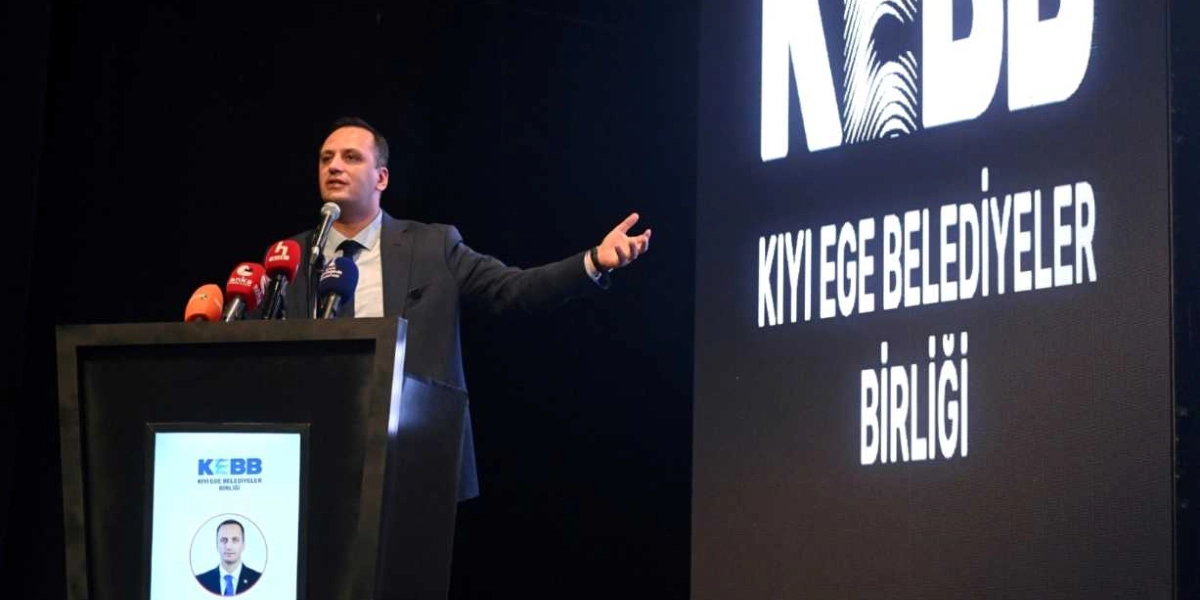
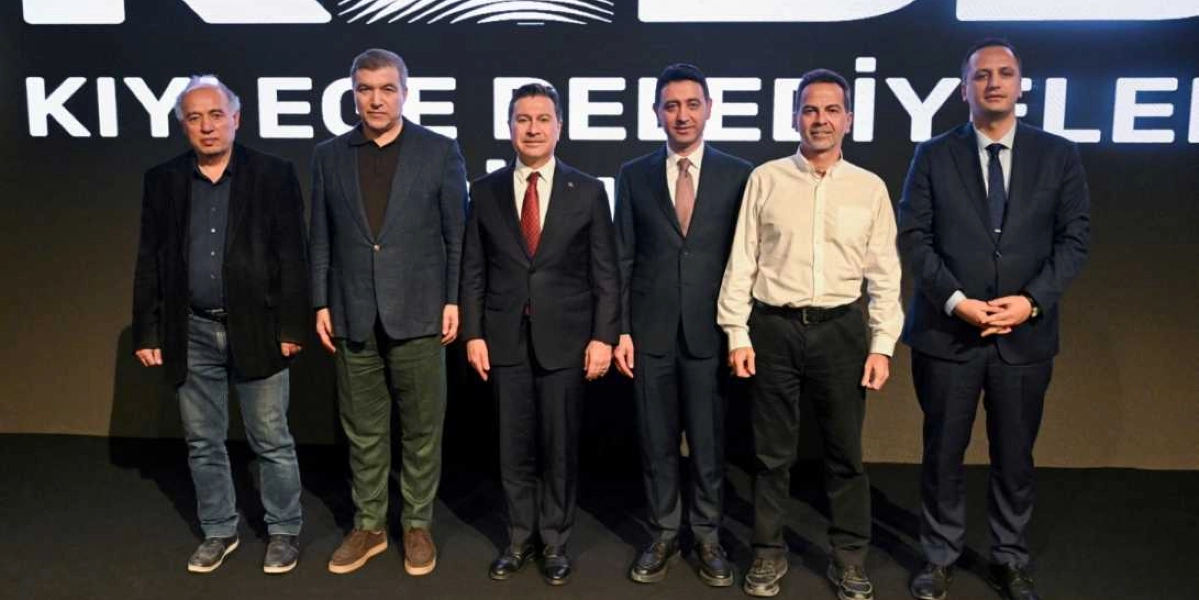
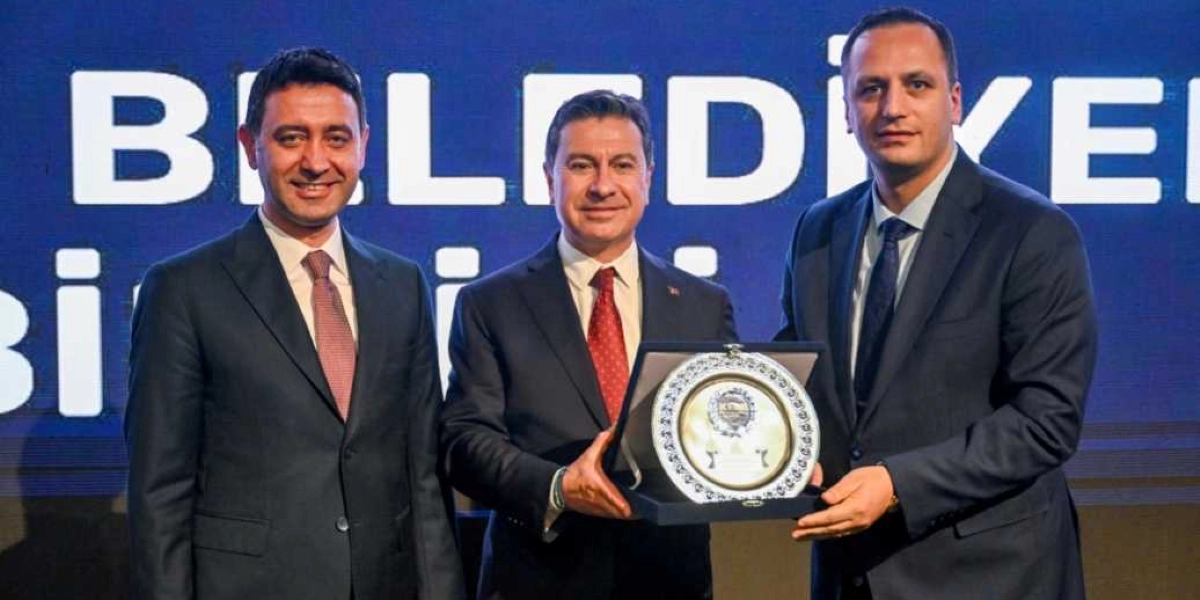
Speaking at the “Disaster in İzmir” workshop organized by the Union of Coastal Aegean Municipalities (KEBB) at the Tepekule Congress Center, Mayor Eşki introduced Bornova Municipality’s Digital Twin Platform to the public. Highlighting that the primary issue in disaster management is lack of coordination, he stated:
“With the Digital Twin, we will manage data—not chaos. We can now mathematically foresee what would happen in Bornova depending on which fault line ruptures and at what magnitude. We plan accordingly.”
Recalling that he experienced the August 17, 1999 earthquake at the age of 13, Eşki referred to the “mountains of bread” image etched in his childhood memory to underline the disorder caused by unplanned aid distribution. “We are a generous nation, but we struggle with organization. Yet we have the capacity to solve all these problems,” he said.
First Priority in Disasters: Confidence, Not Panic
Eşki shared that he voluntarily joined search and rescue efforts during the Kahramanmaraş earthquakes and recounted traumatic moments, including being asked, “Do you have extra body bags?” He emphasized that the first task in disasters is to eliminate citizens’ fear of abandonment.
He stated that Bornova Municipality has established its own search and rescue team and aims to form neighborhood-based units, adding:
“We must ensure that citizens feel the warm hand of the state on their shoulder.”
“YOMA” Against Wildfires, New Slope Planning Against Floods
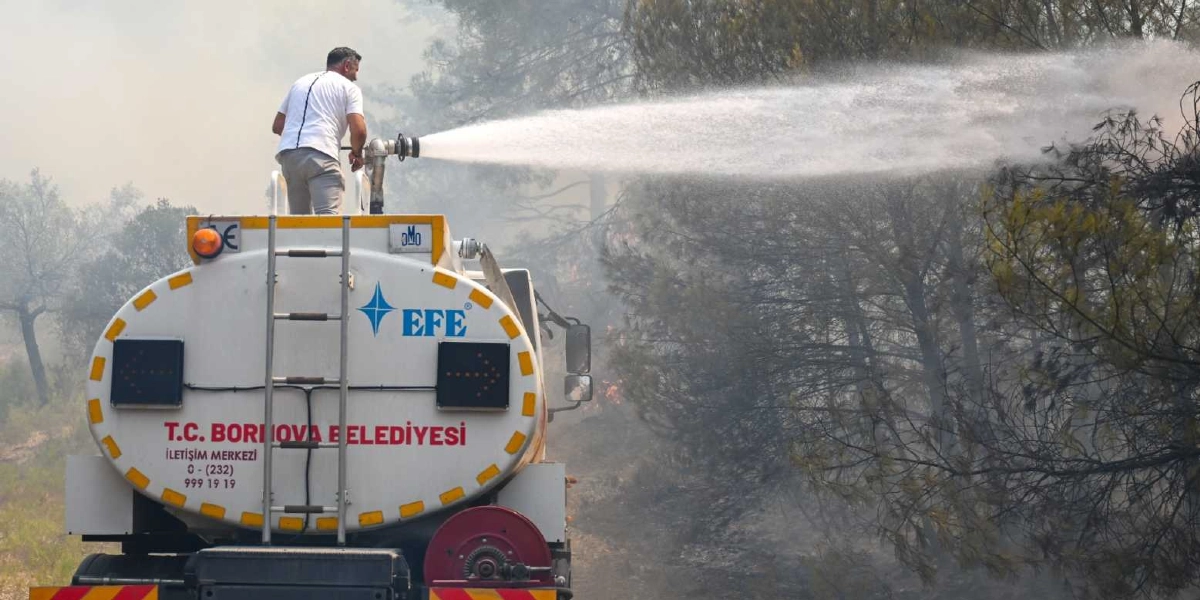
Reminding that Bornova has extensive forested areas, Eşki explained that the municipality developed YOMA (Fire Incident Response Vehicle), capable of high-pressure water intervention with a range of 120 meters.
Regarding flood risks, he noted that water accumulation zones have been identified and that slope adjustments are being implemented to redirect water toward stream beds.
“We Must Learn from Each Year”
Eşki concluded his speech with the following remarks:
“Trial and error may be embedded in this country’s DNA. But we are obligated to learn from each year and move forward. Our fundamental goal is to collect accurate data, establish proper organization, and eliminate the initial chaos with information.”
A First in Türkiye at the District Level: The Digital Twin Platform
Bornova Municipality has become the first local authority in Türkiye to implement Digital Twin technology at the district level, introducing a next-generation digital transformation model that anticipates disaster risks and strengthens science-based decision support mechanisms.
Earthquake Scenarios Now in 3D Simulation
Within the platform, Bornova’s building inventory, soil classifications, and active fault lines are consolidated into a single system. In potential earthquake scenarios, ground acceleration and structural damage analyses can be calculated on a building-by-building basis.
The potential impacts on bridges, natural gas and water pipelines, and electricity infrastructure are simulated in advance. Possible road closures and debris zones are modeled in a three-dimensional environment.
Energy as Part of the Disaster Plan
The digital transformation extends beyond earthquake scenarios. Renewable energy investments are integrated into disaster planning. Hybrid “Wind Trees” that generate wind and solar power can be dismantled and transported to crisis zones during emergencies, enabling rapid energy supply.
A 360-Degree Smart City Ecosystem
Through the Digital Twin Platform, the following processes are managed within a single integrated system:
-
Real-time seismic monitoring
-
Structural vulnerability analysis
-
Assembly area capacity planning
-
Critical infrastructure risk assessment
-
IoT-based environmental monitoring
-
Demographic and spatial analytics
Bornova Municipality’s Digital Twin Platform stands out as a concrete example of how scientific, data-driven disaster management can be implemented at the local level.