A Climate Resilience Bridge from Bornova to Lisbon
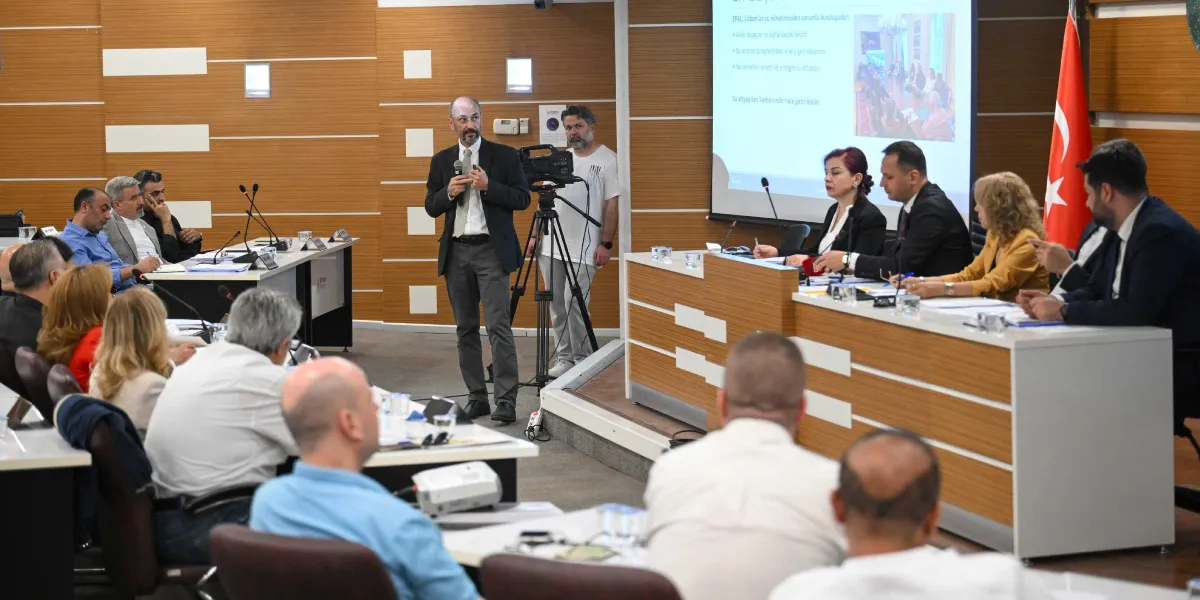
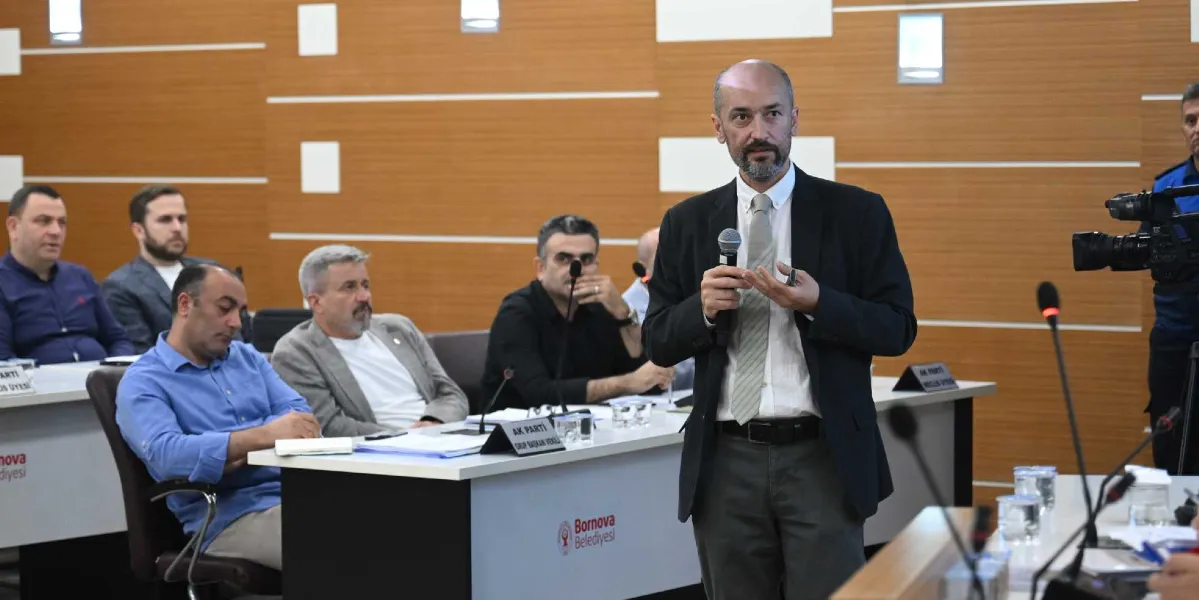
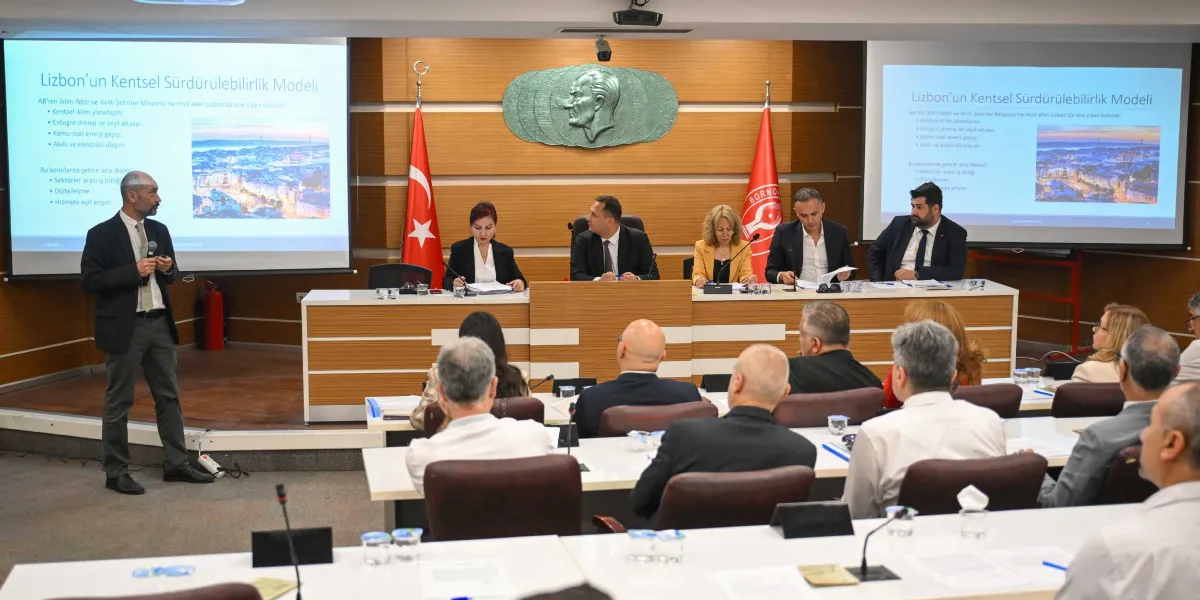
“Stormlog” Presentation to Council Members by Dr. Emrah Bıyık
As part of the “Stormlog – Sustainable Water Management in Local Government Services” project, in which Bornova Municipality is a partner, a technical visit was carried out in Lisbon, Portugal, with the participation of Mayor Ömer Eşki. The visit was reviewed during the June Ordinary Meeting of the Bornova Municipal Council, where Dr. Emrah Bıyık from Yaşar University’s Department of Energy Systems Engineering delivered a comprehensive presentation on the project.
Dr. Bıyık reminded the council that Lisbon was awarded the title of “European Green Capital” by the European Union in 2020, stating, “Like İzmir, Lisbon is a warm Mediterranean city. To combat the urban heat island effect, mitigate flooding, and manage water sustainably, it develops nature-based engineering solutions.”
Green Infrastructure, Smart Systems, and Social Awareness
Dr. Bıyık emphasized that during the visit, they closely examined Lisbon’s prominent projects, highlighting a notable example in which a flood-prone area was transformed into a large park integrated with drainage systems. “This park, where water naturally filters into the ground, is an exemplary green infrastructure project designed to counter the effects of urbanization,” he said. He also discussed Lisbon’s major stormwater tunnel project— a 5-kilometer tunnel between Monsanto and Santo Apolónia—designed to channel floodwaters to the Atlantic Ocean. On drier days, the plan is to treat this water for irrigation use in green spaces.
Turkish Mark on Electric Public Transport
Dr. Bıyık also noted that they examined Lisbon’s electric public transport systems. “The Lisbon Municipality has incorporated more than 10 electric minibuses produced in Turkey by Karsan into its fleet. These vehicles are monitored via smart systems and contribute to energy savings,” he said.
Energy Efficiency in Social Housing
The GEBA LIS housing units visited during the trip stood out as an example of social housing policies targeting energy-poor populations. These units utilize renewable energy systems, thermal insulation, and low-energy consumption solutions. “The Lisbon Municipality has created climate-resilient living spaces in over 20,000 social housing units. This model could serve as an inspiration for Bornova,” Dr. Bıyık added.
Digitalization in Water Management
Another key topic was Lisbon’s efforts to make its water infrastructure carbon neutral. Dr. Bıyık explained that significant savings have been achieved through smart meters, digital leak detection systems, and water recycling technologies. He also emphasized the implementation of circular economy solutions, such as energy generation from wastewater treatment facilities.
Toward Cooperation: Meeting with the Ambassador
Dr. Bıyık shared that on the last day of the visit, the delegation met with Turkey’s Ambassador to Lisbon, Haldun Koç. During the meeting, discussions were held on potential collaborations between Bornova and Lisbon, participation in EU projects, and steps to strengthen cities’ climate resilience.
“Inclusive, Nature-Based, and Data-Driven Solutions”
Reflecting on the visit, Dr. Bıyık highlighted that Lisbon’s success rests on the collaboration of four key stakeholders: local government, academia, the private sector, and civil society. “The climate crisis affects us all. That’s why a collective mindset is essential. Lisbon has achieved this. We can adopt this collaborative and nature-friendly model in Bornova as well,” he said.
On-Site Research for Climate-Resilient Cities in Europe
The study visit to Lisbon took place between May 6–9, 2025, with the partnership of Bornova Municipality, Yaşar University, and the Energy Systems Association. The main objective was to observe Lisbon’s climate adaptation strategies and water management practices on-site, engage in knowledge exchange, and explore potential collaborations.