“Menemen Gathering” at Altındağ Community Garden
Mayor Eşki: “Women will socialize in the community garden, and Bornova will change”
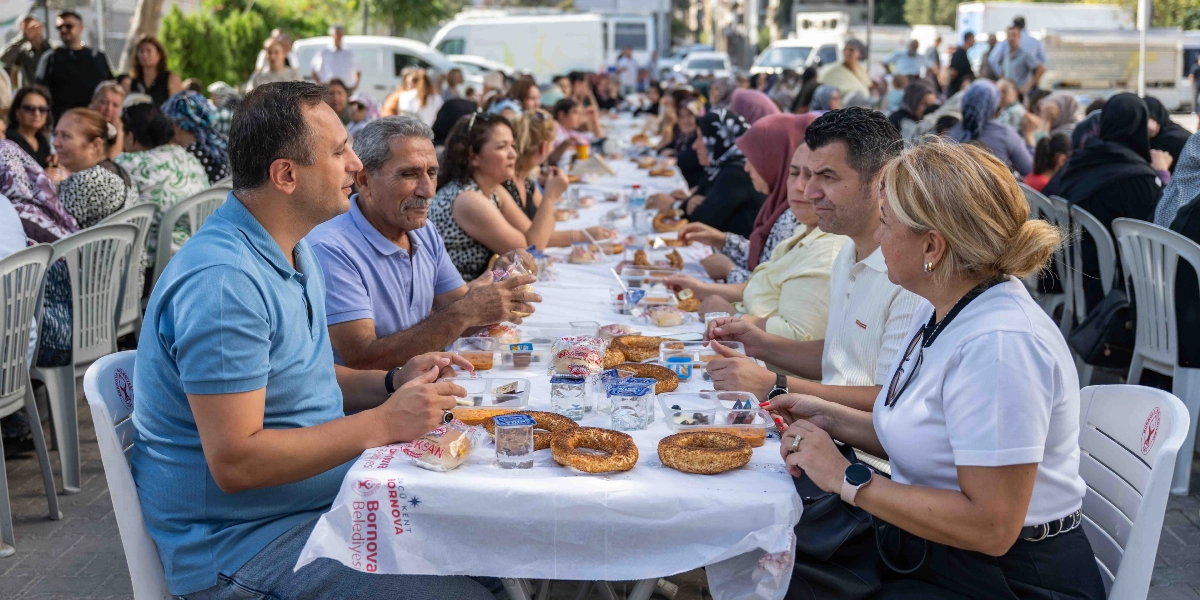
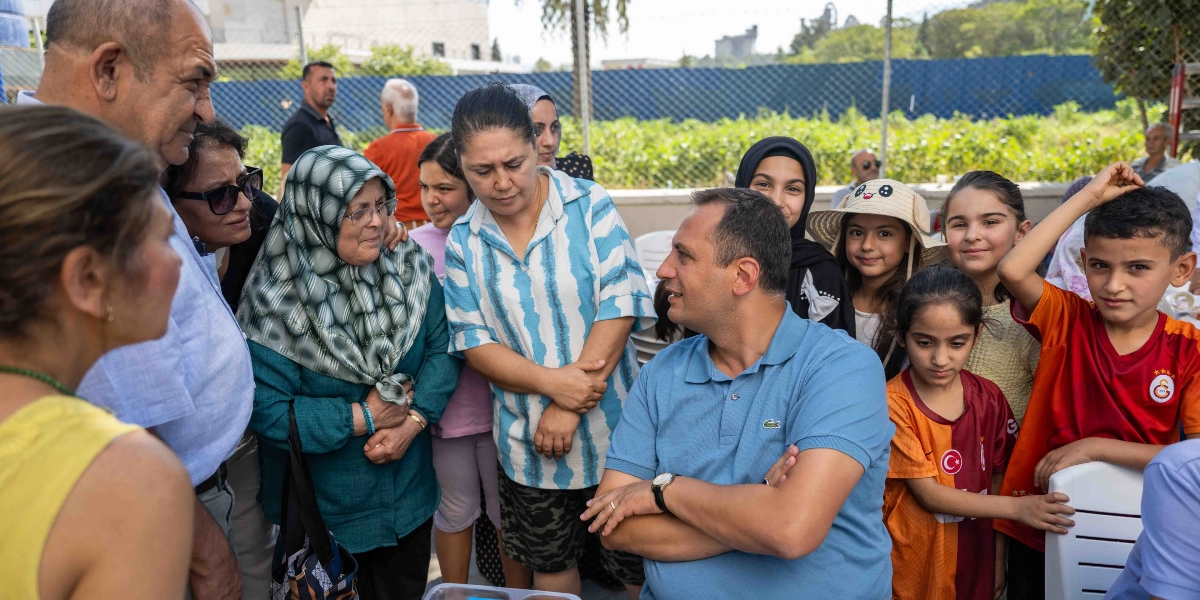
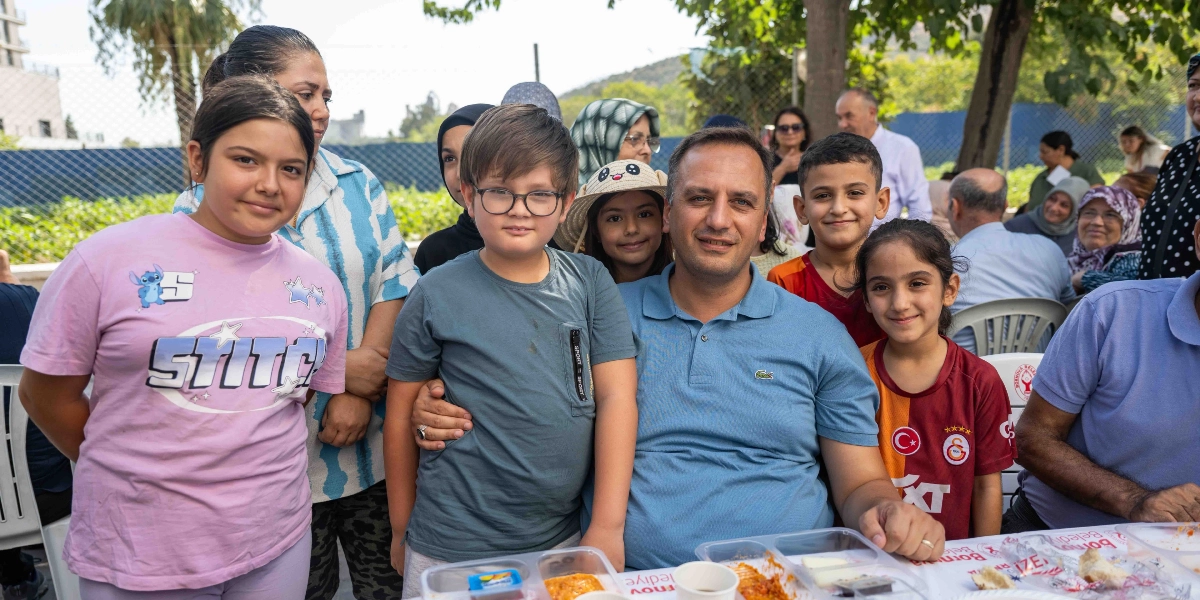
The traditional Menemen Festival organized by Bornova Municipality concluded with a spectacular gathering at the Altındağ Community Garden. Aiming to bring women out of the home and place them at the center of social life, Bornova Mayor Ömer Eşki said, “It will be women’s conversations in the community gardens, not men’s conversations in coffeehouses, that will shape Bornova.”
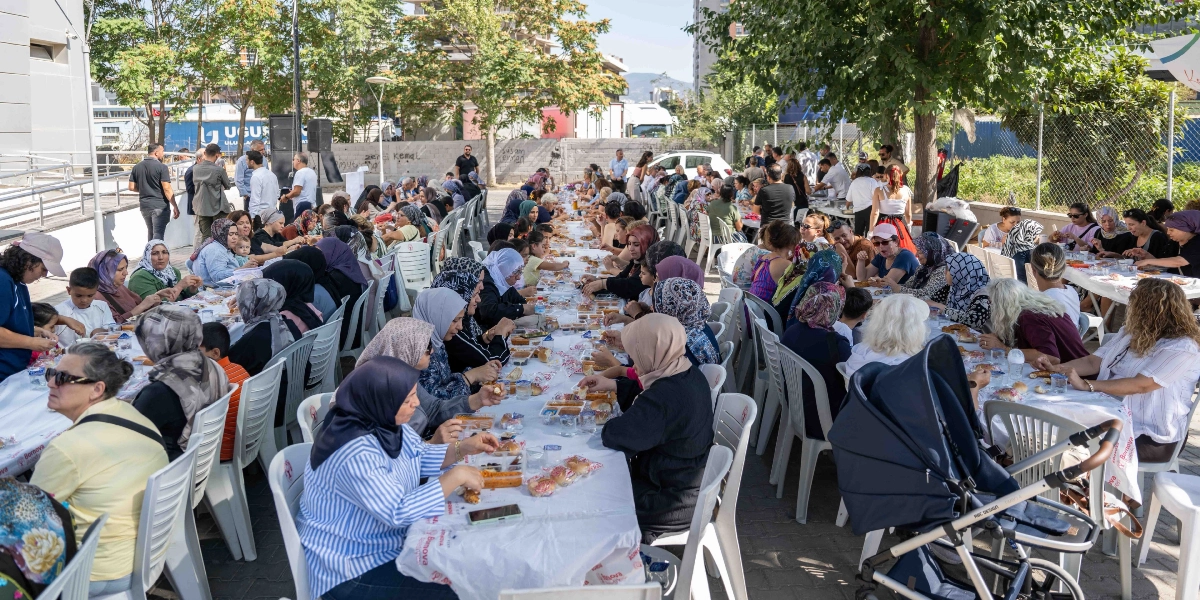
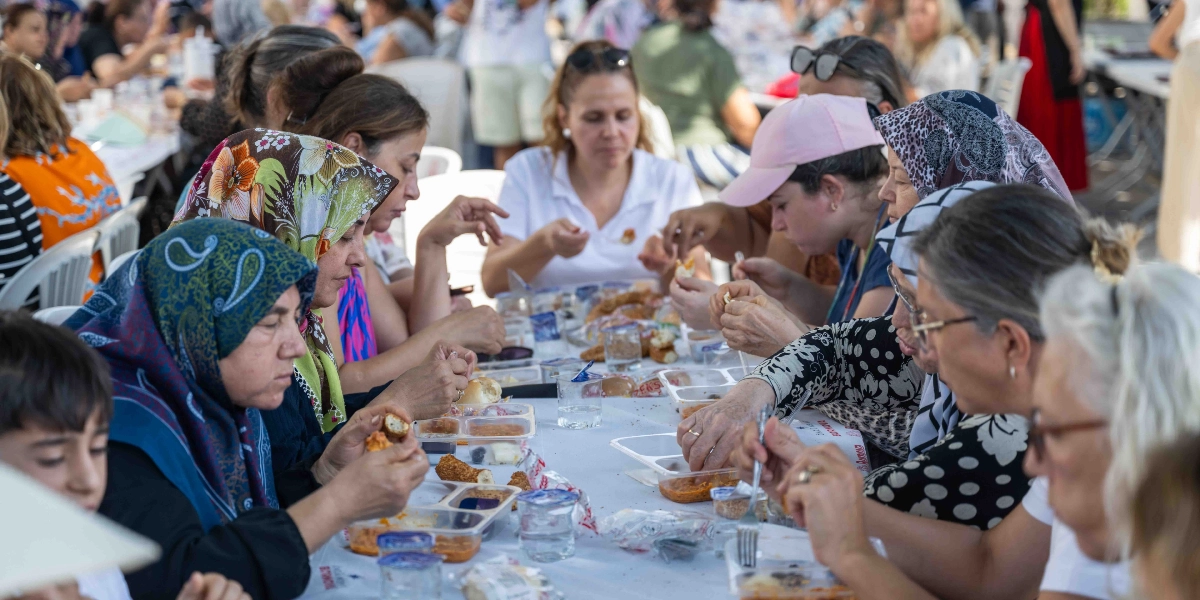
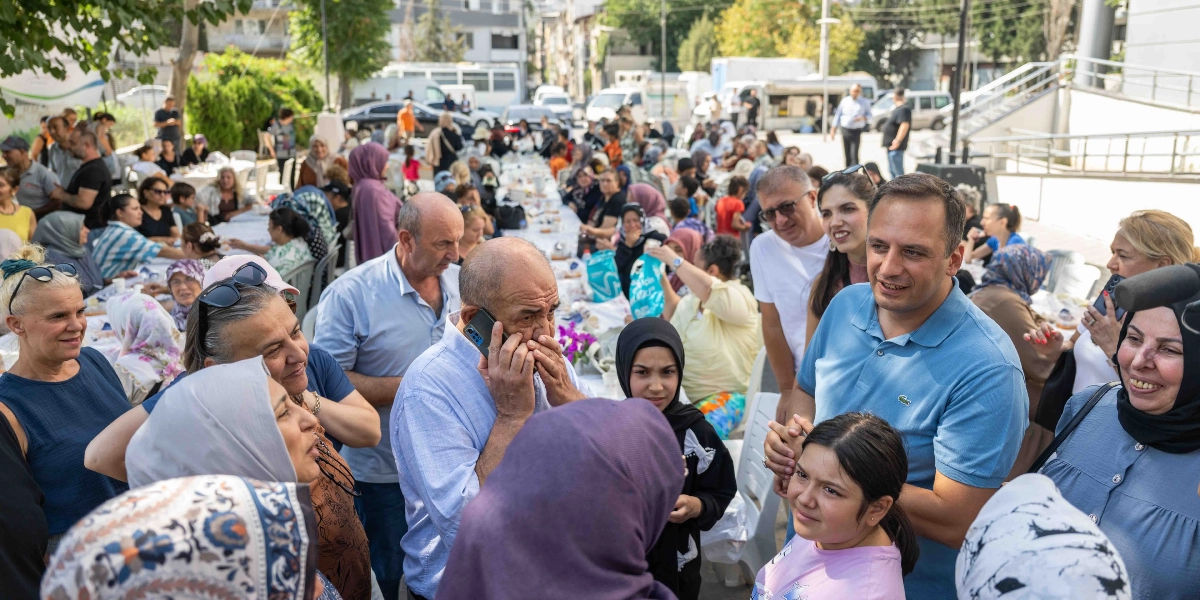
The Menemen Festival, previously held at the Evka-4 and Doğanlar Community Gardens, came to an unforgettable conclusion at the Altındağ Community Garden. Menemen prepared with fresh produce grown through the hard work of women producers in the community garden added a special flavor to the table of friendship and solidarity.
The breakfast gathering brought together district representatives and administrators of political parties, municipal council members, and many women producers. Women benefiting from the community gardens in Işıkkent, Pınarbaşı, Rafetpaşa, and Mevlana, as well as Altındağ, also participated, sending a strong message of unity and solidarity.
Once a haven for substance abuse, now a living space for women
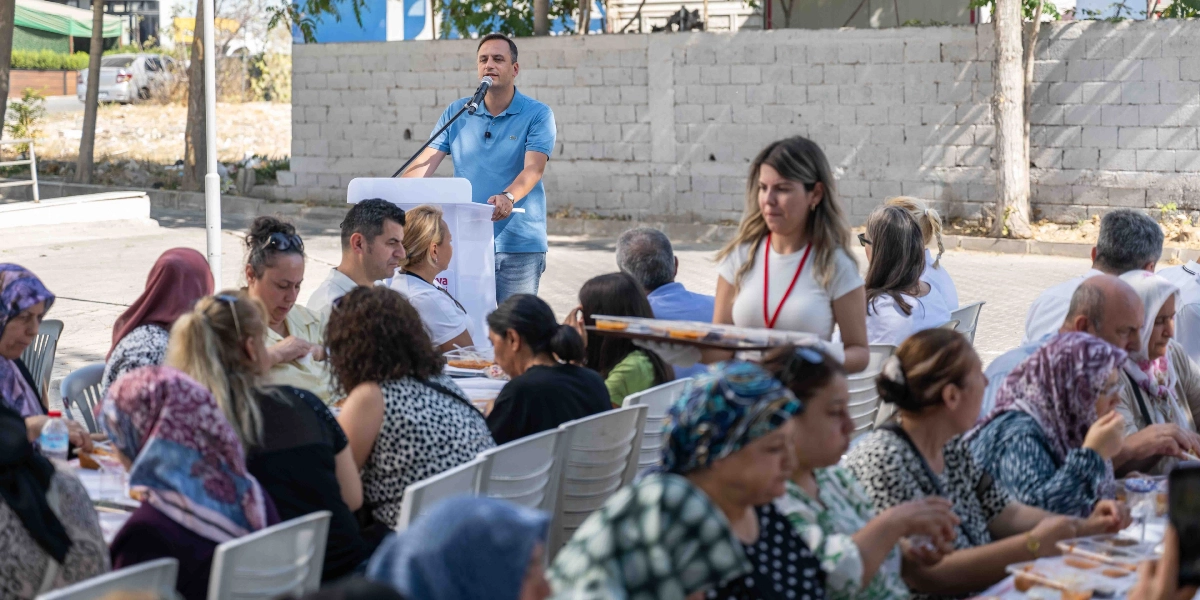
Speaking at the festival, Bornova Mayor Ömer Eşki shared the dark history of the area where the Altındağ Community Garden was established. Explaining how the idea of community gardens emerged, Mayor Eşki said:
“The place where this idea began actually has a very painful story. There used to be a park here, and residents wanted it removed because they felt unsafe. Due to dangerous situations such as alcohol and drug use, women and children could not even enter the park. Instead of removing the park, we looked for a solution that would protect and make our women and children happy, and that’s how we came up with the idea of a community garden. Seeing the success here, I felt that this initiative would grow throughout Bornova. In September, we will open our 10th community garden in Bornova.”
“We are bringing women together not with the soil, but with life”
Emphasizing that women should take on much more active roles in social life, Mayor Eşki summarized his vision of municipal governance with the following words:
“We are bringing women together not with the soil, but with life. Our aim is to fundamentally change in Bornova a lifestyle in which women are confined between home and the market or can socialize only at school entrances. We want our women to socialize while producing here and to share their concerns with their neighbors in a spirit of solidarity. From now on, we are inviting housewives from our community gardens to our protocol events, alongside chambers of industry, sports clubs, and neighborhood heads. We want housewives to become leading actors in life in Bornova and to have a stronger voice. Because our women deserve this.”
“Being a mayor isn’t harder than being a mother”
Taking a humorous and heartfelt approach to the challenges of being a mayor, Eşki said:
“Yesterday, my son turned one. I see up close the hardship and effort my wife goes through while caring for our child. People ask me, ‘Is being a mayor difficult?’ I swear, it’s not harder than being a mother! That’s why we do not accept a life in which women are confined to their homes. In the past, we built parks so that women could go outside; now, we will build community gardens everywhere.”
Neighborhood heads speak with one voice: “The appearance and safety of our neighborhoods have changed”
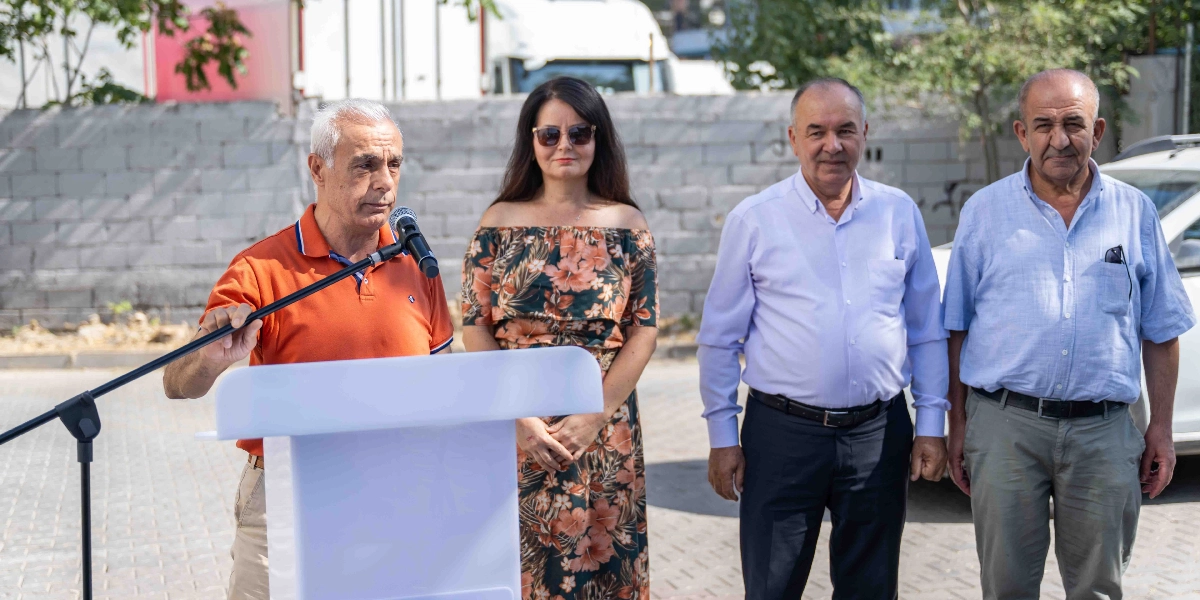
Birlik Neighborhood Head Sami Akdağ, Koşukavak Neighborhood Head Senem Üzer, Işıklar Neighborhood Head Necati Karabulut, and Egemenlik Neighborhood Head Şerif Ali Altıparmak also shared their views on the project.
The neighborhood heads emphasized that the appearance of their neighborhoods had changed after previously abandoned and unsafe areas were transformed into community gardens. They thanked Mayor Ömer Eşki and all municipal departments involved for bringing these spaces—where women can safely come together and produce, and where children can connect with the soil—to Bornova, and for supporting women’s labor.