Bornova Municipality’s “Service-Oriented” Budget
Mayor Eşki: “Our Resources Are Limited, Our Needs Are Great”
Bornova’s Future Planned with a TRY 9.03 Billion Expenditure Budget
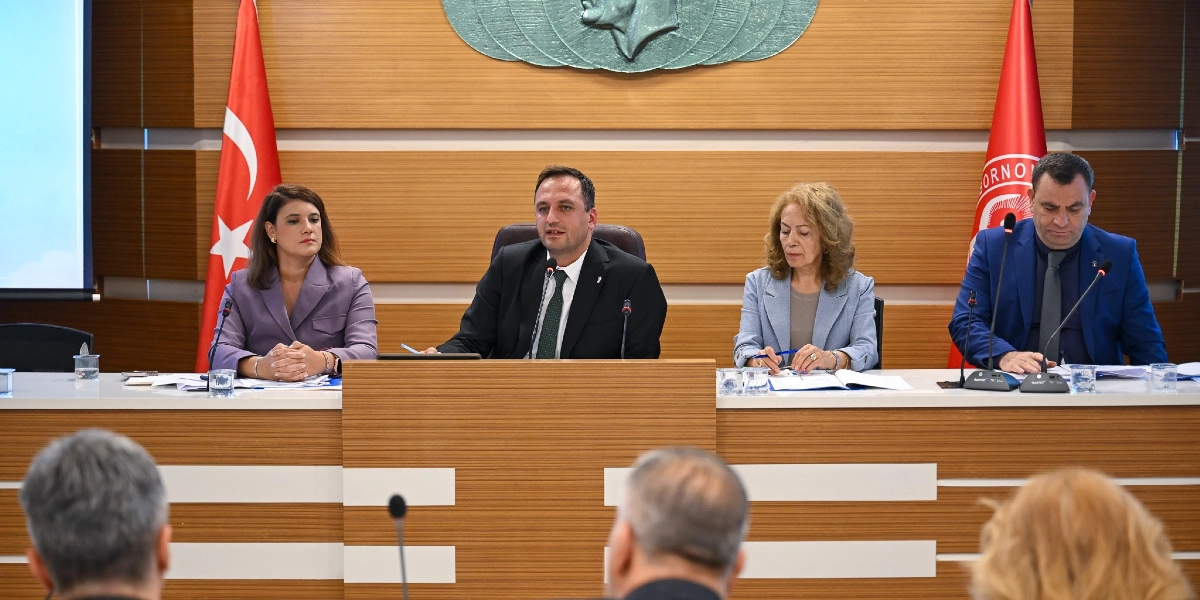
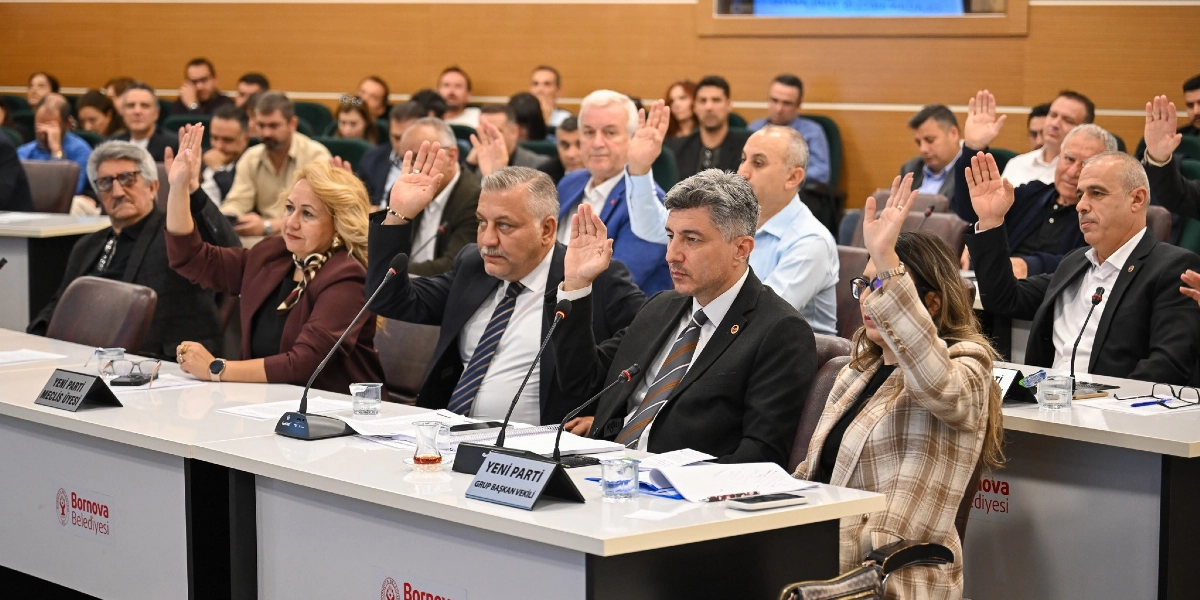
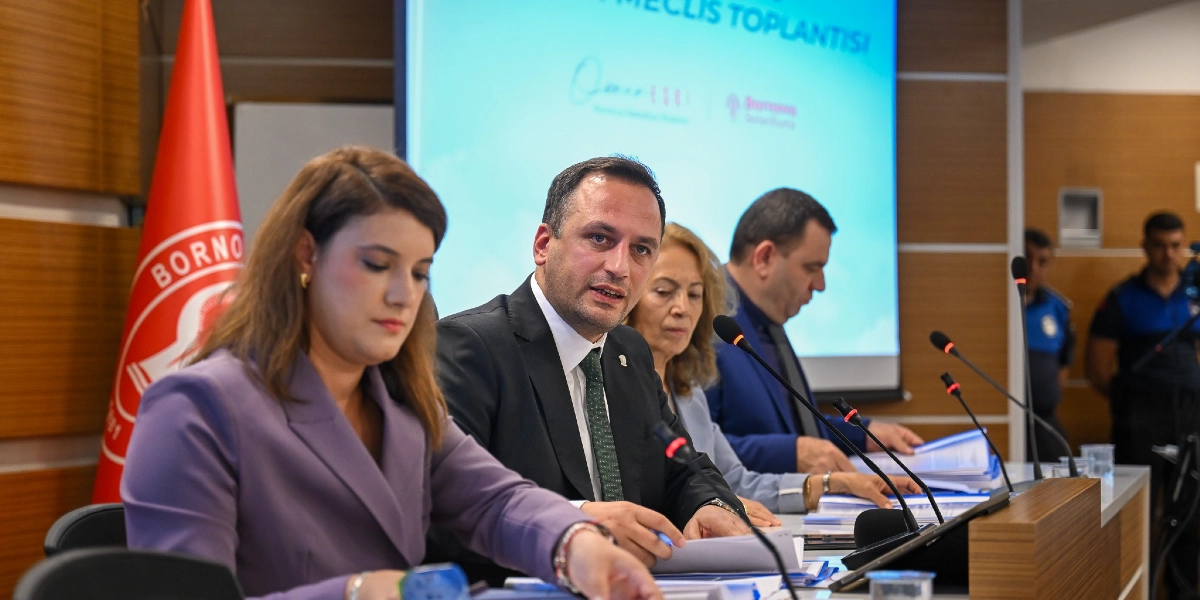
Bornova Municipality’s budget of TRY 9.03 billion for 2027 has been approved by the Municipal Council. The investment- and service-oriented budget prioritizes Bornova’s fundamental needs, social services, and projects that will strengthen the environment and urban life, while Mayor Ömer Eşki emphasized the importance of fiscal discipline. Stating that “Our resources are limited, our needs are great,” Eşki noted that every resource would be used in the most effective way to meet the needs of Bornova residents.
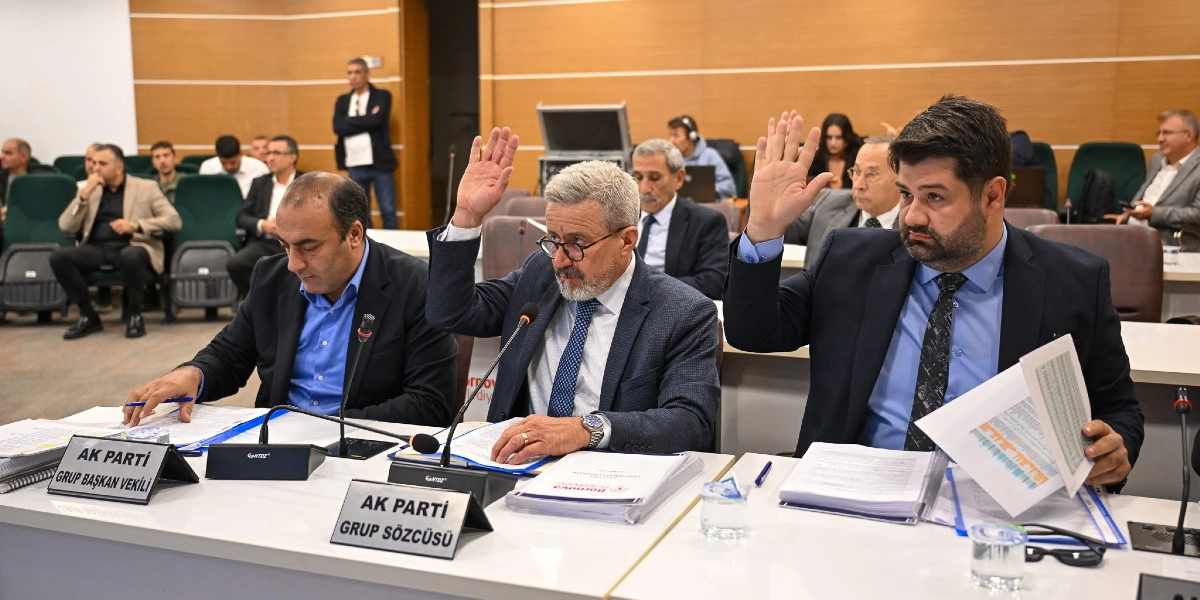
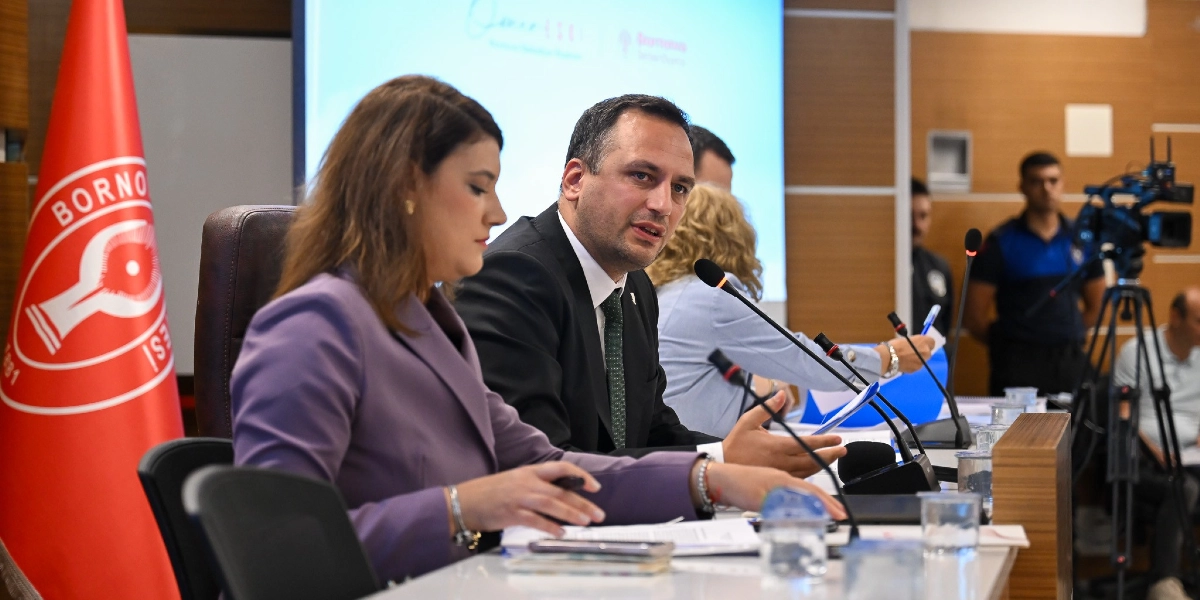
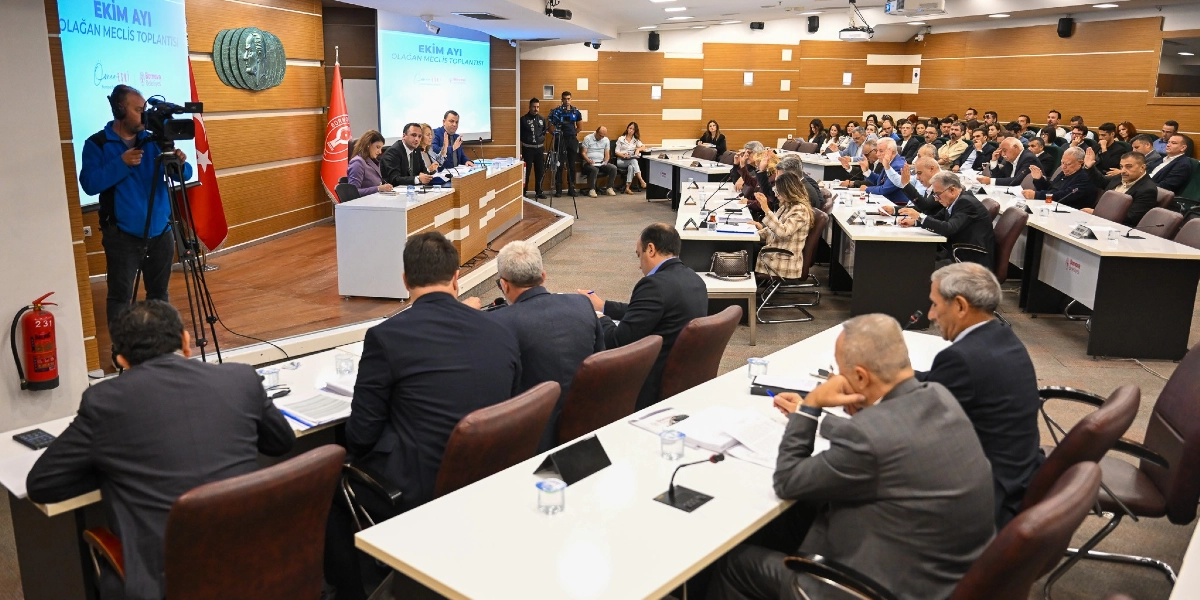
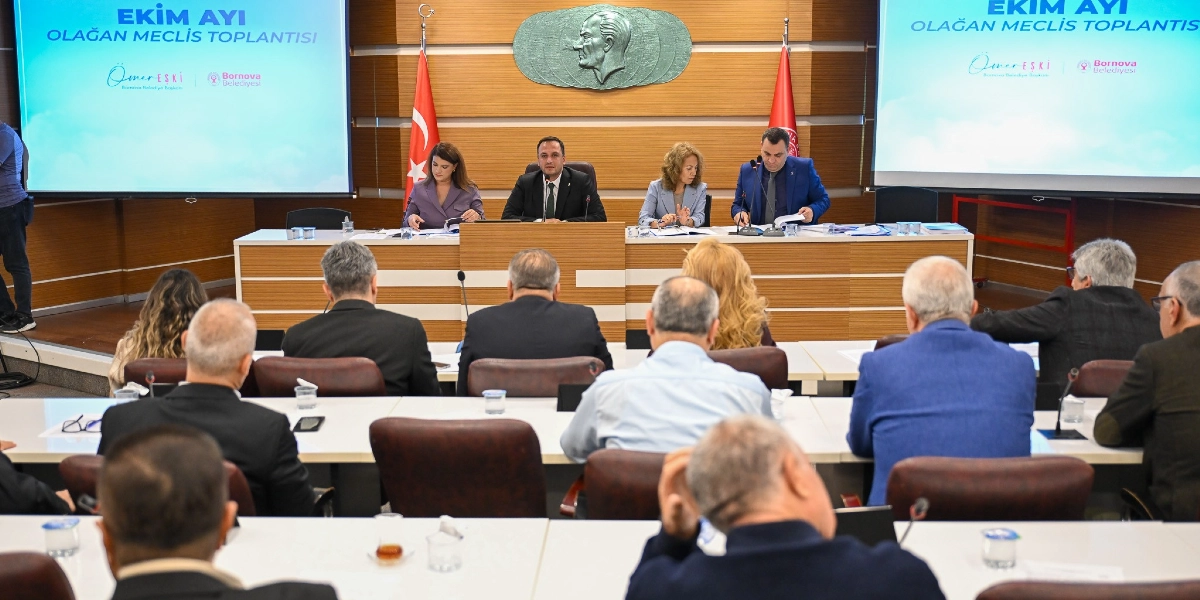
Bornova Municipality’s Draft Budget for Revenues and Expenditures for the 2027–2029 Fiscal Years was discussed at the Bornova Municipal Council meeting. Mayor Ömer Eşki outlined the budget’s core approach as the effective use of resources, prioritization of investments, and direct responses to the needs of Bornova residents.
The 2027 budget projects expenditures of TRY 9.03 billion and revenues of TRY 8.43 billion. The resulting financing gap of TRY 600 million is planned to be covered through domestic borrowing.
“The Budget Is Part of a Five-Year Service Program”
Mayor Ömer Eşki emphasized that the budget is not merely an annual statement of revenues and expenditures, but part of a broader program outlining Bornova’s service and investment priorities for the coming years. Noting that residents’ requests and needs identified on the ground were given particular consideration during the preparation process, Eşki stated that essential municipal services, including roads, parks, infrastructure, and environmental improvements, had been prioritized.
Pointing out that needs vary across different parts of Bornova, Eşki said the municipality aims to distribute resources equitably throughout the district.
“Cleanliness and Roads Are the Foundation of Municipal Services”
Mayor Eşki stated that a significant portion of the budget had been allocated to services that directly affect the daily lives of Bornova residents, emphasizing that road maintenance and cleaning are among the fundamental responsibilities of local government.
Noting that road construction and renewal works continue following infrastructure projects involving İZSU, natural gas, fiber-optic networks, and other utilities, Mayor Eşki said that areas experiencing the most significant problems were being prioritized. He stated that work was continuing in various neighborhoods, particularly Çamdibi, and added that the budget also provides for the maintenance and renovation of existing parks, alongside the development of new ones.
A New Era for Parks: “We Are Phasing Out Inefficient Irrigation”
Highlighting environmental investments as another major budget priority, Mayor Ömer Eşki stated that the municipality aims to replace practices that are unsuitable for Bornova’s climate and water conditions.
Eşki also announced that the municipality would gradually transition from traditional, inefficient irrigation methods in parks to automatic irrigation systems. He explained that this transformation would improve water-use efficiency and strengthen the sustainability of green spaces.
“Resources Are Limited, but Needs Have No Limits”
Mayor Eşki stated that one of the most fundamental challenges facing municipalities is the imbalance between available resources and public needs, adding that this reality had been taken into account in preparing the budget.
Describing this approach in terms of the “theory of scarcity,” Eşki emphasized that it is not possible for the municipality to meet every need across the district simultaneously. Services must therefore be planned according to need and priority.
Noting that different services—from community gardens and environmental improvements to parks and roadworks—are scheduled according to the needs of individual neighborhoods, Mayor Ömer Eşki said the municipality’s goal is to generate the greatest possible public benefit with the resources available.
“Bornova Needs Greater Financial Resources”
Mayor Eşki also highlighted the importance of local governments receiving a larger share of central government budget allocations in response to their growing service responsibilities.
Stating that municipal resources must be strengthened in light of Bornova’s population, urban needs, and the scale of services required, Eşki noted that a stronger financial structure would translate into greater investment capacity and higher-quality public services.
Priorities in Bornova’s Budget: People, the Environment, and Urban Life
The 2027 budget allocates funding to a wide range of areas, including urban planning and integrated disaster management focused on risk reduction, environmental sustainability and climate change, social assistance, arts and culture, sports, rural development, preventive healthcare, urban safety, and transportation.
Mayor Eşki stated that the budget’s primary purpose is not simply to produce a financial statement consisting of figures, but to establish a practical service program that addresses Bornova’s most pressing needs.
Emphasizing the principle, “Our resources are limited, our needs are great. Therefore, we must direct every resource to where it is needed most,” Eşki said the municipality would continue to deliver a broad range of services in the coming period, from essential municipal services and environmental investments to social support and initiatives that enhance urban life.
Message to Local Businesses: “Market Conditions Are the Source of Financial Pressures; We Are Working to Maintain Balance”
Mayor Ömer Eşki addressed the financial pressures facing local businesses and their growing expectations of the municipality during the council meeting.
Acknowledging that local businesses are struggling with essential operating expenses, including logistics, staffing, energy, and procurement, Mayor Eşki emphasized that municipal taxes account for less than one percent of this overall cost burden.
Noting that expectations of local governments have increased significantly amid the ongoing economic crisis, Eşki stated that the municipality is carefully balancing competing priorities at an institutional level, seeking both to respond to the demands of local businesses and to manage public resources responsibly.