Erişilebilir bir Bornova için birlikte
Bornova Kent Konseyi’nden Engelli Politikaları Çalıştayı
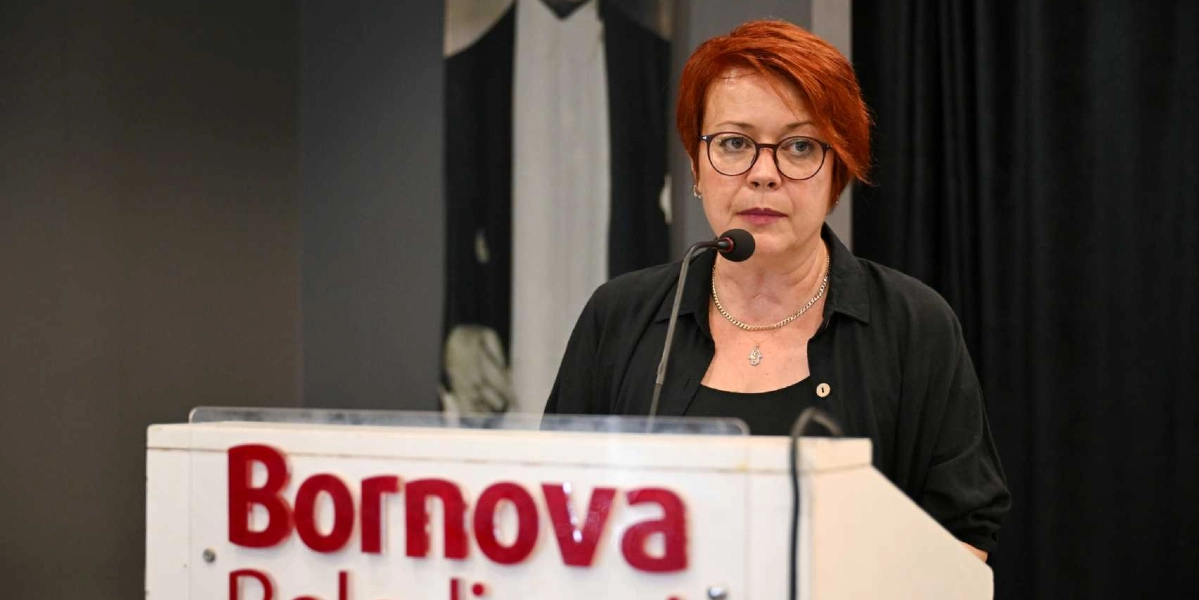
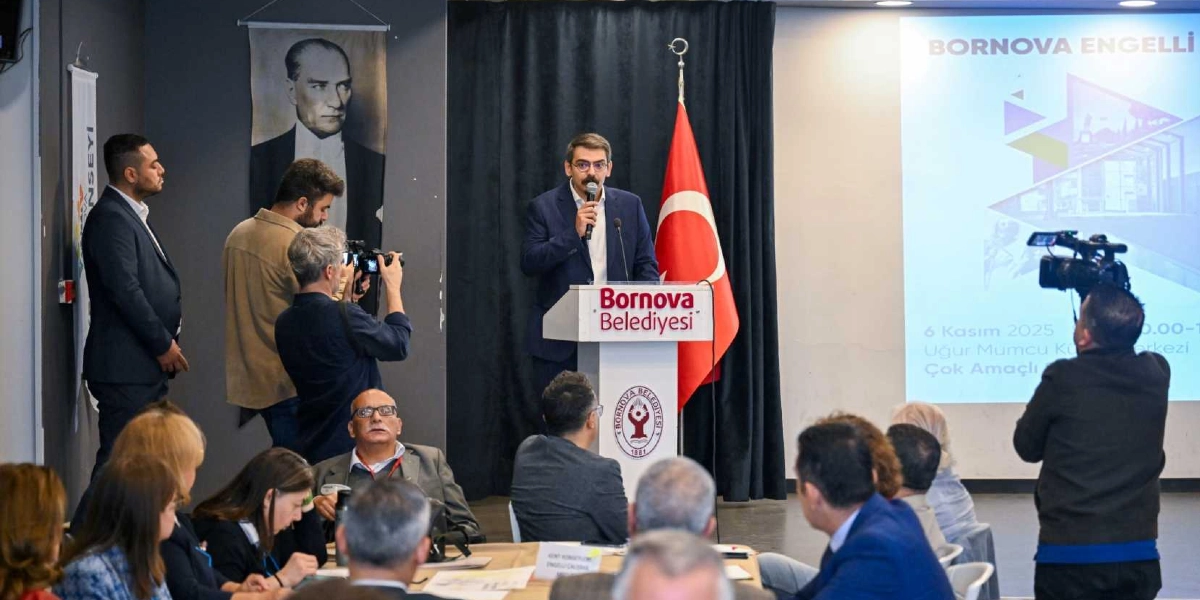
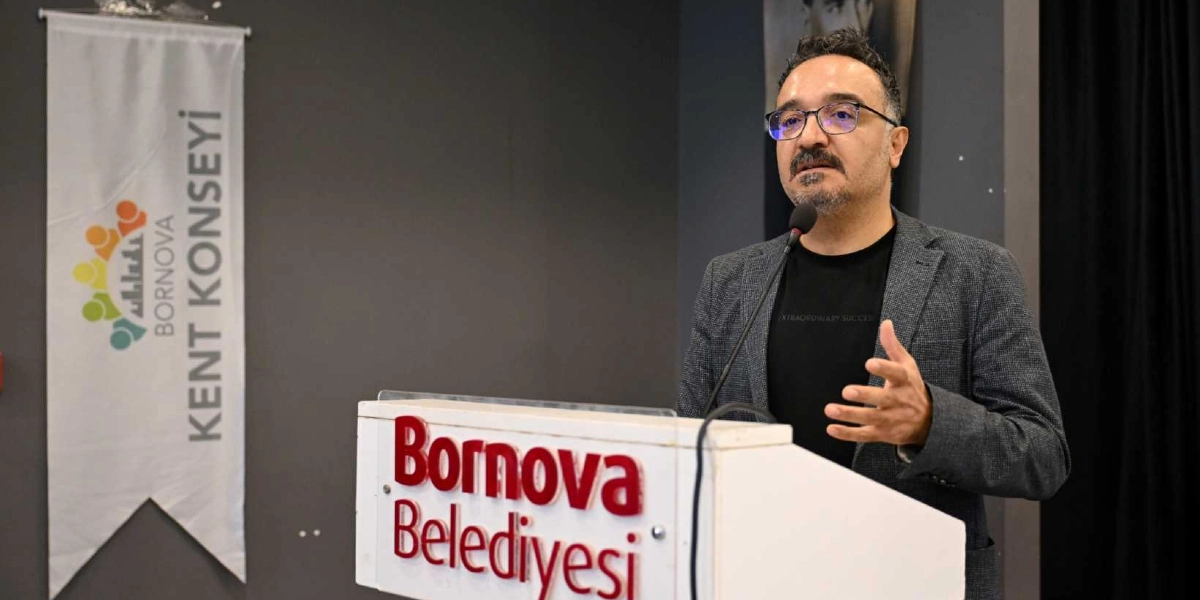
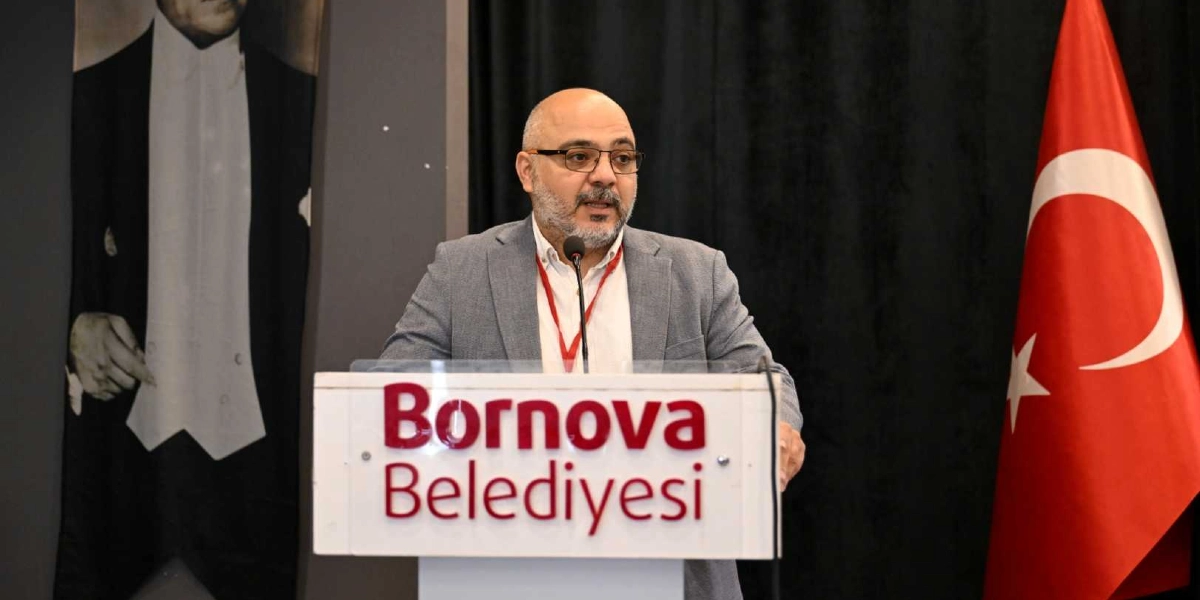
Engelli bireylerin kent yaşamına tam ve eşit katılımını sağlamak ve Bornova’yı herkes için erişilebilir bir kent haline getirmek amacıyla, Bornova Kent Konseyi tarafından kapsamlı bir Engelli Politikaları Çalıştayı düzenlendi. Bornova’nın katılımcı, hak temelli engelli politikalarının şekillenmesinde temel belge niteliği taşıyacak çalıştaydan çıkarılacak sonuçlar, raporlanıp Bornova Belediye Meclisi’ne sunulacak.
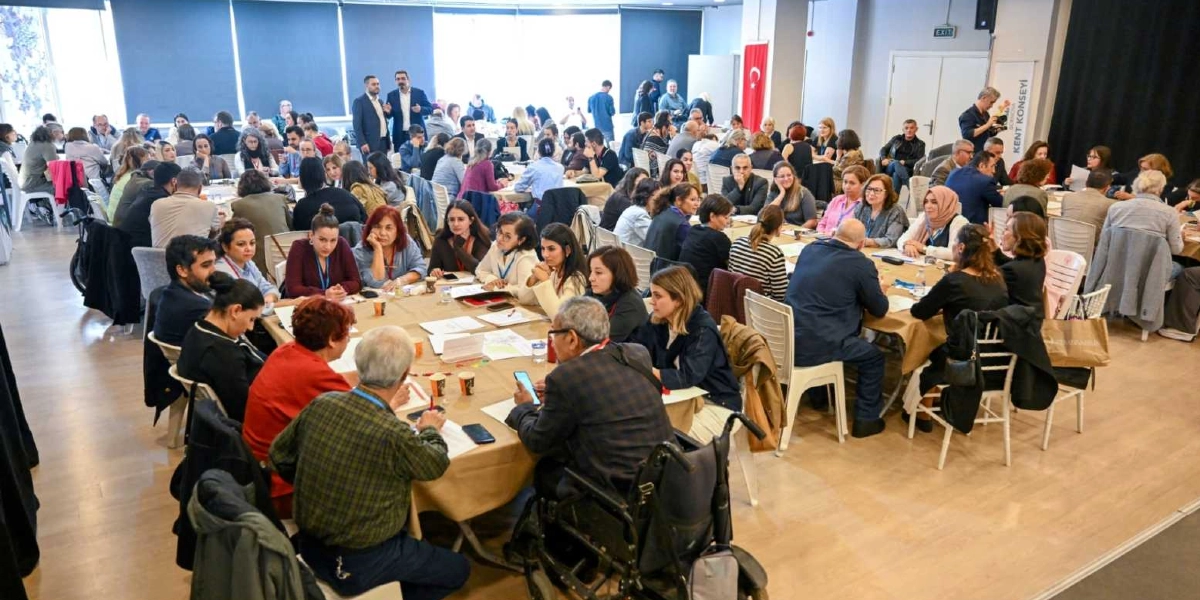
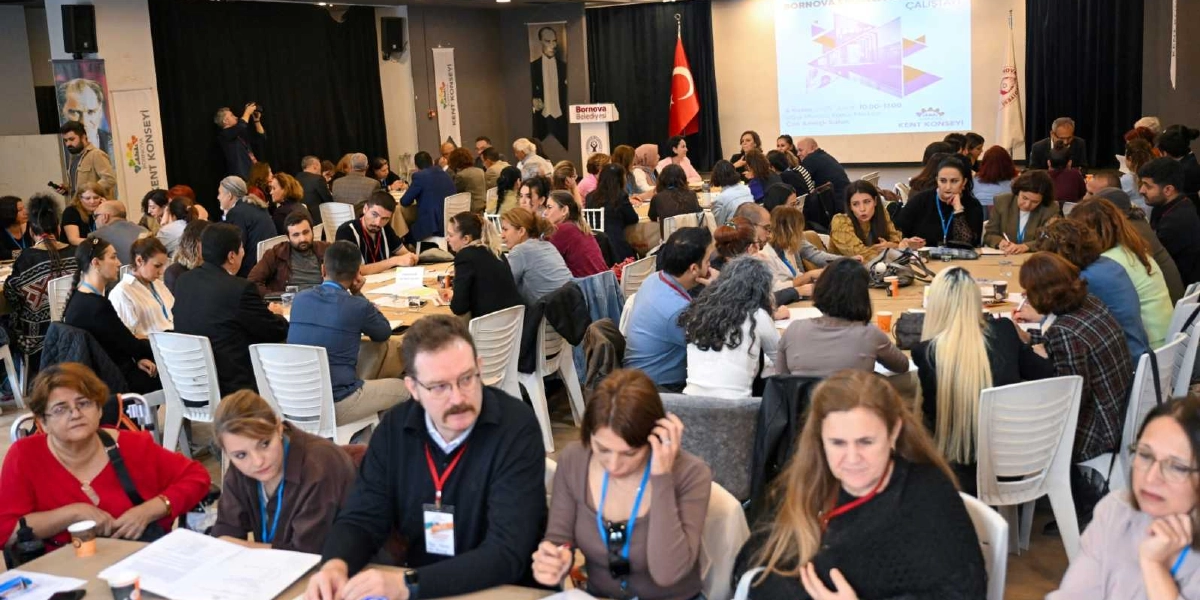
Bornova Belediyesi’nin ev sahipliğinde, Uğur Mumcu Kültür ve Sanat Merkezi Çok Amaçlı Salonu’nda gerçekleştirilen çalıştay, kamu kurumları, sivil toplum kuruluşları, akademisyenler, eğitimciler ve engelli bireylerin katılımıyla gerçekleşti.
Baran Mengüş: “Bir mevzuat zorunluluğu değil, hak temelli bir mücadele”
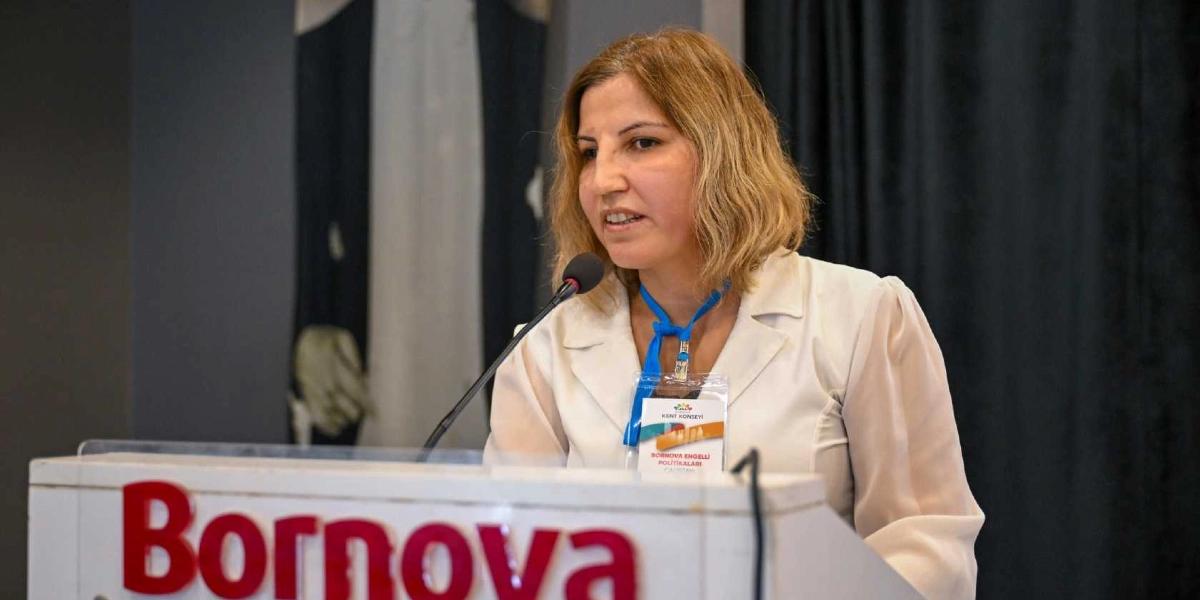
Açılış konuşmasını yapan Bornova Kent Konseyi Başkanı Avukat Doğan Baran Mengüş, engelli hakları çalışma grubunun tabandan gelen bir taleple oluştuğunu vurgulayarak, “Biz bu çalışmayı mevzuat gereği değil, bir ihtiyaçtan yola çıkarak yaptık. Engellilerin sadakaya değil, hak temelli bir mücadeleye ihtiyacı var. Hak verilmez, mücadeleyle alınır. Bu süreç bir çalıştaydan ibaret değil; Bornova için yeni bir dönemin başlangıcıdır.” dedi. Mengüş, Bornova Belediye Başkanı Ömer Eşki’nin, engelli bireylerin ihtiyaçlarını doğrudan sahada gözlemleyerek sürecin tabandan şekillenmesine öncülük ettiğini belirtti.
Cem Arıkan: “Bir farkındalıkla başlayan yol, politika sürecine dönüştü”
Bornova Belediye Başkanı Ömer Eşki’nin yurt dışında olması nedeniyle çalıştayda Başkan Vekili olarak Belediye Başkan Yardımcısı Cem Arıkan yer aldı. Arıkan, çalıştayın “365 Gün Engelliyiz” platformunun Bornova Meydanı’ndaki imza masasında başlayan bir farkındalığın ürünü olduğunu belirterek şunları söyledi: “Bu çalıştay bir tesadüf değil, bir farkındalığın kurumsal dönüşümüdür. Başkanımızın önerisiyle Bornova Belediyesi, engelli politikalarını sistematik hale getirmek için adım attı. Elimizde sihirli değnek yok ama bu sürece ciddi bir katkı koyacağımıza inanıyoruz.”
İlyas Aydınalp: “Bornova şanslı, çünkü ortak akla inanan bir belediyesi var”
Türkiye Kent Konseyleri Danışma Kurulu Üyesi İlyas Aydınalp, kentlerde karar alma süreçlerinde ortak aklın önemine dikkat çekerek, “Birbirimizi dinlemeye çok ihtiyacımız var. Bornova Kent Konseyi bu anlayışla çalışıyor. Biz şanslıyız çünkü ortak akla inanan genç bir belediye başkanımız var. Engelli çalışmaları alanında bu birliktelik Bornova’ya örnek olacak.” ifadelerini kullandı. Aydınalp ayrıca engelli hakları mücadelesine katkı sunan merhum Abdülsamet Baskak ve Prof. Dr. Adnan Akyarlı’yı anarak, “Bugün attığımız adımlar onların emeğiyle olgunlaşmış bir mücadelenin devamıdır.” dedi.
Serap Dikmen: “Bu bir lütuf değil, hak teslimidir”
Bornova Kent Konseyi Engelli Hakları Çalışma Grubu Kolaylaştırıcısı Serap Dikmen, çalıştayın hedefinin Bornova Belediyesi için Engelli Politikası Belgesi oluşturmak olduğunu belirterek, “Bu çalıştayda disiplinler arası bir bakışla hukuki engelleri, sosyal destek mekanizmalarını ve belediyecilik hizmetlerini birlikte ele alıyoruz. Amacımız Bornova Belediyesi’nin, Birleşmiş Milletler Engelli Hakları Sözleşmesi doğrultusunda bir politika oluşturmasına katkı sunmak.” Diye konuştu. Dikmen, konuşmasında Bornova Belediye Başkanı Ömer Eşki’nin, engellilik alanındaki kişisel gözlemlerinden yola çıkarak “Bu konuda artık el yordamıyla değil, planla ilerlemeliyiz” dediğini hatırlatarak, “Bu sözler bu çalıştayın yolunu açtı.” ifadelerini kullandı.
Uzmanlardan çözüm masaları: 7 başlıkta ortak akıl
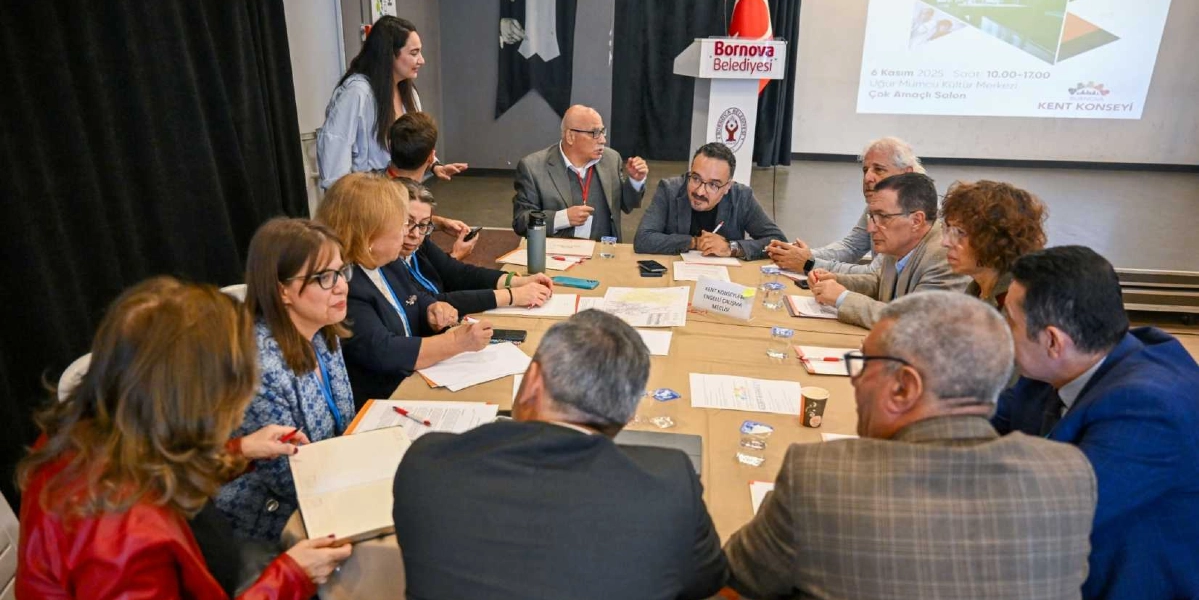
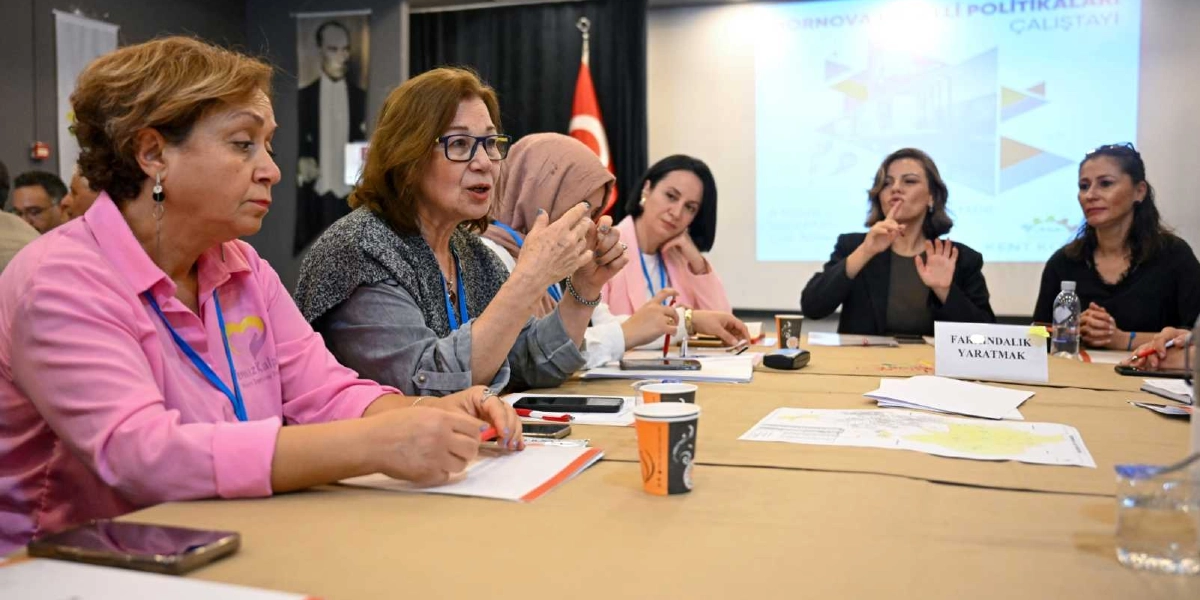
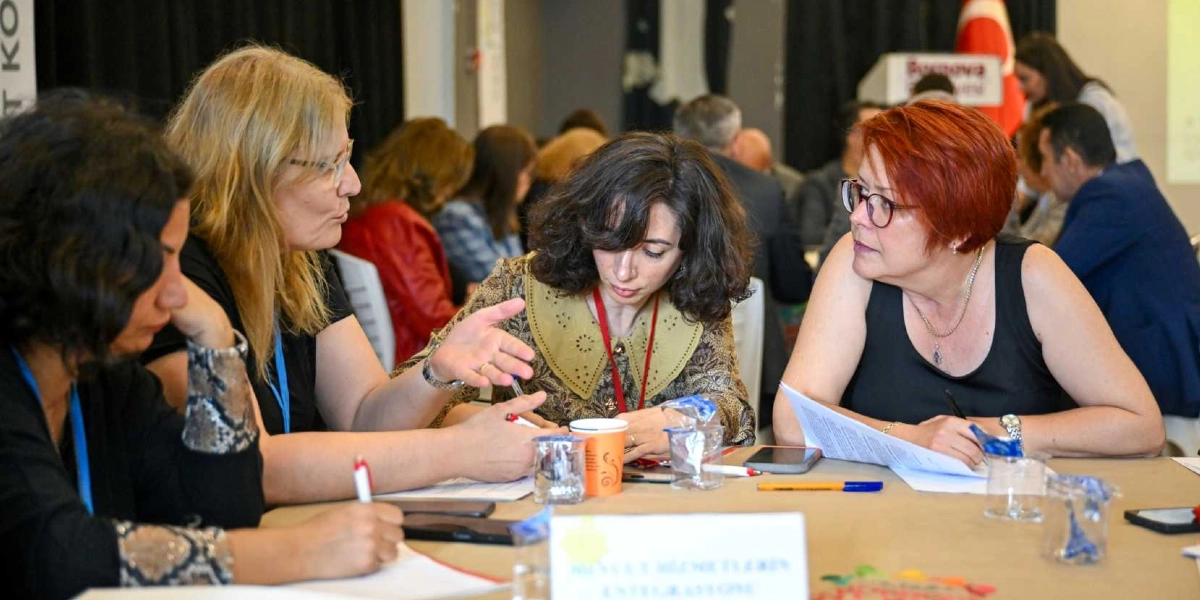
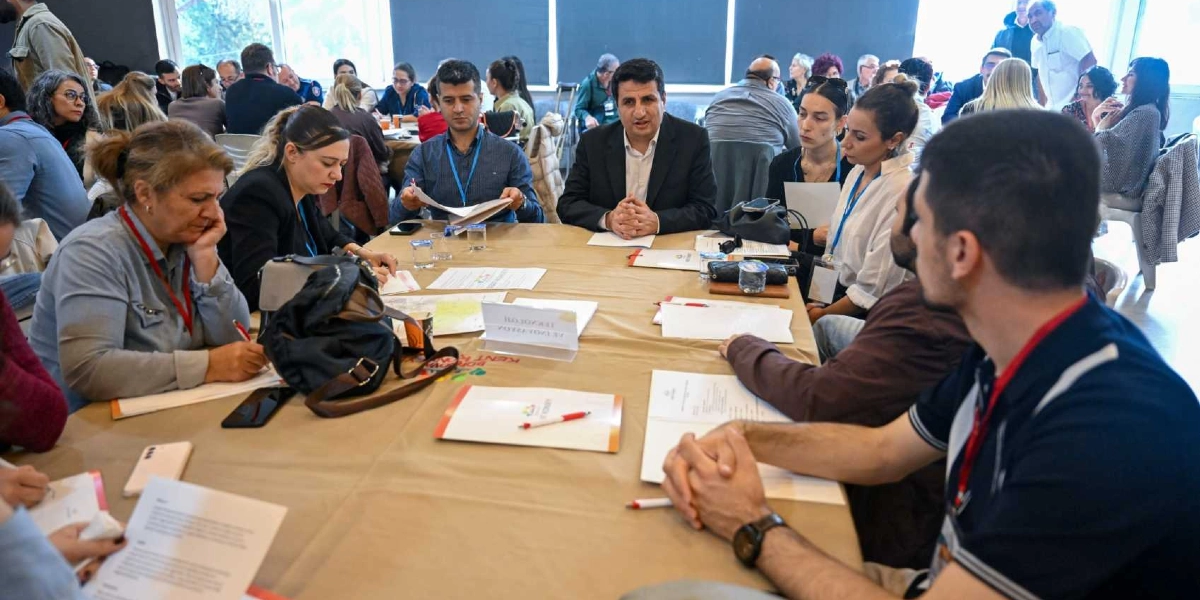
Çalıştayda tartışmalar, farklı uzmanlık alanlarına göre oluşturulan 7 tematik masa etrafında yürütüldü. Her masada engelli bireylerin yaşam kalitesini artırmaya yönelik çözüm önerileri geliştirildi:
1. Erişilebilirlik ve Altyapı: Kamusal alanların erişilebilir hale getirilmesi.
2. Sosyal Destek, İstihdam ve Eğitim: Engelli bireylerin topluma, eğitime ve istihdama tam katılımı.
3. Hukuksal Haklar ve Politika Geliştirme: Yerel düzeyde hak arama mekanizmalarının güçlendirilmesi.
4. Teknoloji ve İnovasyon: Yenilikçi çözümlerle yaşamın kolaylaştırılması.
5. Mevcut Hizmetlerin Entegrasyonu: Belediyenin mevcut hizmetlerinin engelli kapsayıcılığı açısından değerlendirilmesi.
6. Engelli Bakımı ve Sağlığı: Sağlık ve bakım hizmetlerinin erişilebilir kılınması.
7. Farkındalık Yaratma: Engelli bireylerle birlikte yaşama kültürünün güçlendirilmesi.
Aşık Veysel Görme Engelliler Okulu öğretmeni Emine İşler, bu masalarda yürütülen tartışmaların engelli bireylerin güçlenmesi açısından büyük önem taşıdığını belirtti.
Somut adımlar Belediye Meclisi’ne taşınacak
Gün boyunca süren oturumların ardından her masada geliştirilen tespit ve öneriler bir rapor haline getirilerek Bornova Belediye Meclisi’ne sunulacak.
Bu sayede çalıştay, yalnızca fikir paylaşımının ötesine geçerek Bornova’nın katılımcı, hak temelli engelli politikalarının şekillenmesinde temel belge niteliği taşıyacak.