Bornova’da Muhtarlar Akademisi başladı
Katılımcı ve kapsayıcı yönetim için örnek işbirliği
“Bornova’nın geleceğini birlikte yönetiyoruz”
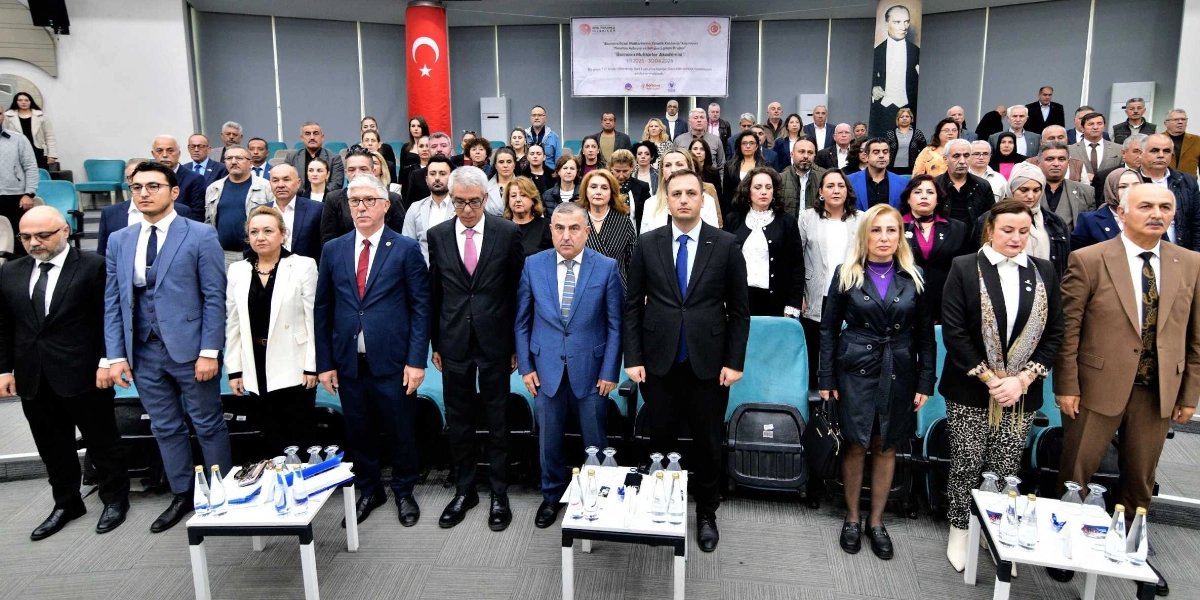
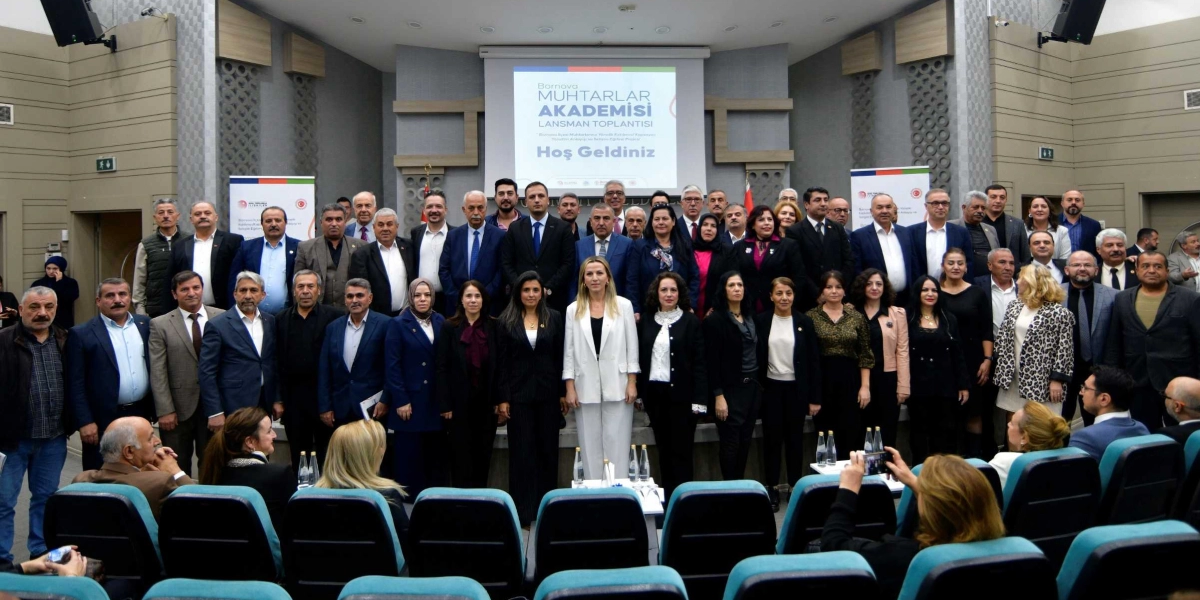
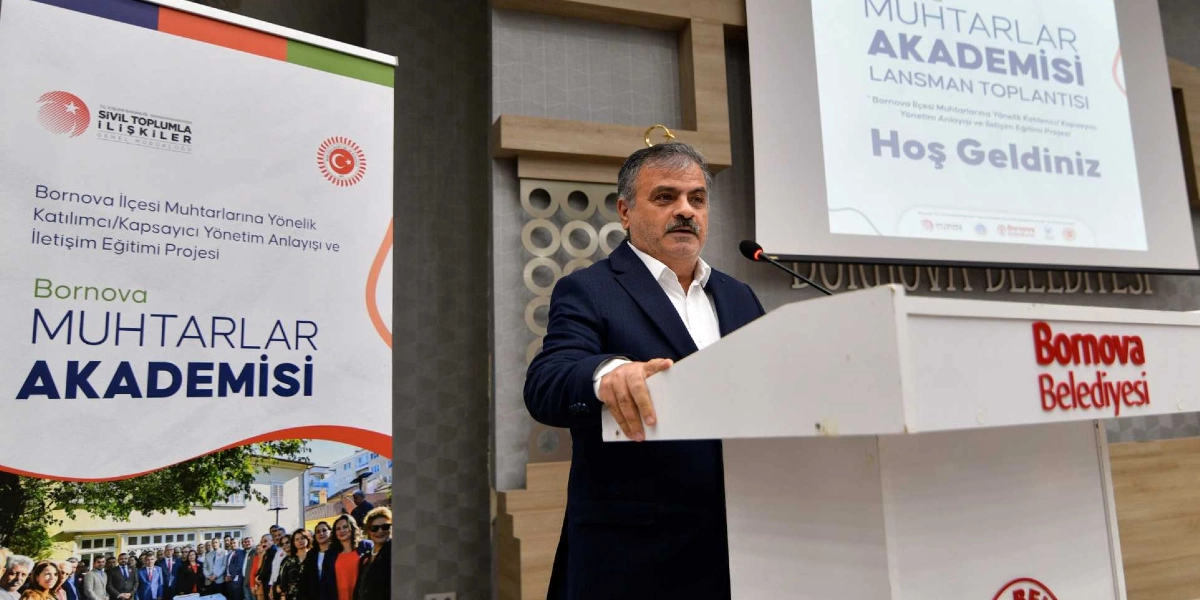
Bornova Belediyesi, Bornova Kaymakamlığı, Yaşar Üniversitesi ve Bornova Muhtarlar Derneği işbirliğiyle hayata geçirilen Bornova Muhtarlar Akademisi projesi kapsamındaki açılış toplantısı geniş katılımla gerçekleşti. Projede 45 mahalle muhtarına dijital okuryazarlıktan etkili iletişime uzanan 6 aylık kapsamlı eğitimler verilecek. Başkan Ömer Eşki ve Kaymakam Muzaffer Şahiner, projenin kurumlar arası uyumu güçlendirdiğini ve vatandaşlara sunulan hizmetin kalitesini artıracağını vurguladı.
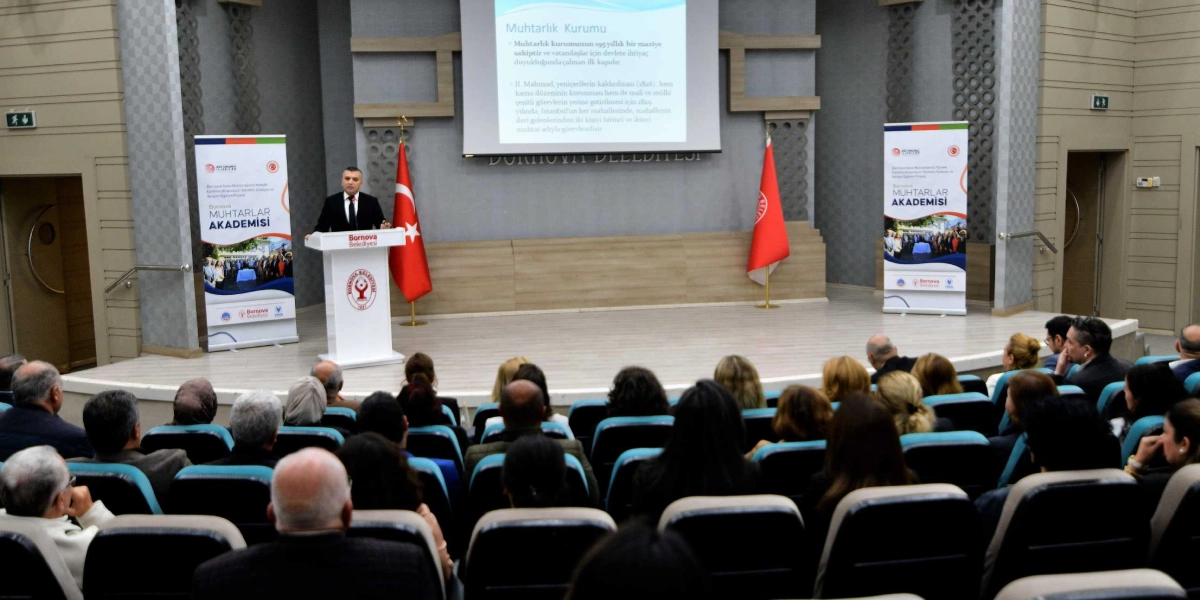
Bornova Muhtarlar Derneği tarafından İçişleri Bakanlığı Sivil Toplumla İlişkiler Genel Müdürlüğüne yapılan ve hibe almaya hak kazanan “Bornova İlçesi Muhtarlarına Yönelik Katılımcı/Kapsayıcı Yönetim Anlayışı ve İletişim Eğitimi Projesi (Bornova Muhtarlar Akademisi)” törenle başladı. Bornova Kaymakamlığı, Bornova Belediyesi ve Yaşar Üniversitesi ortaklığında yürütülecek proje, Nevzat Kavalar Kültür Merkezi ve Nikah Salonu’nda düzenlenen açılış ve tanıtım toplantısıyla kamuoyuna duyuruldu.
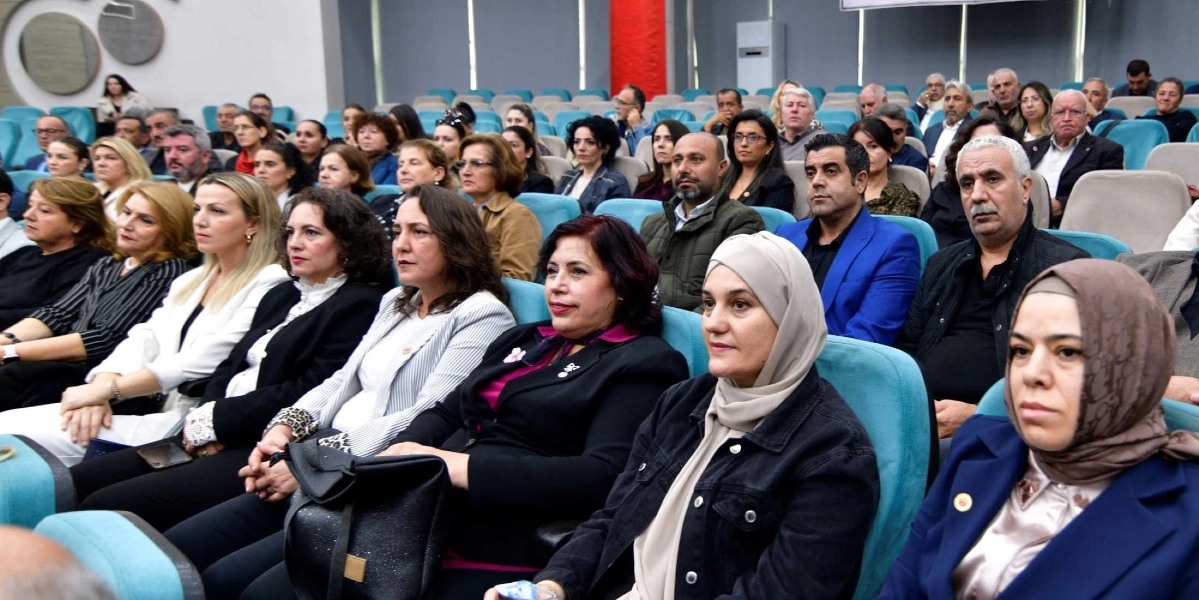
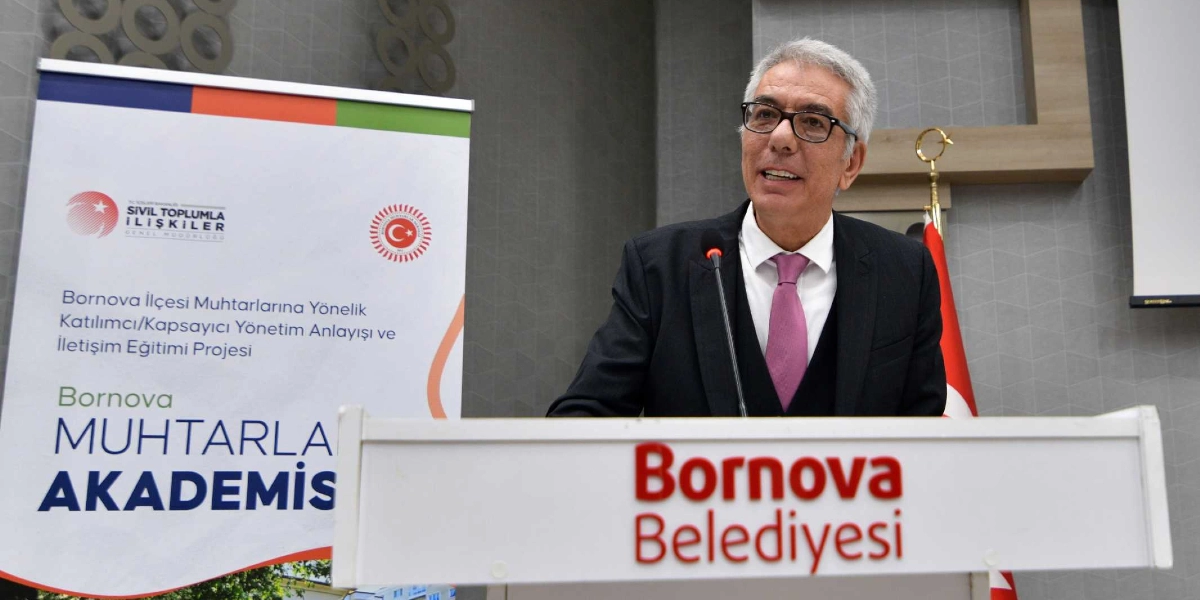
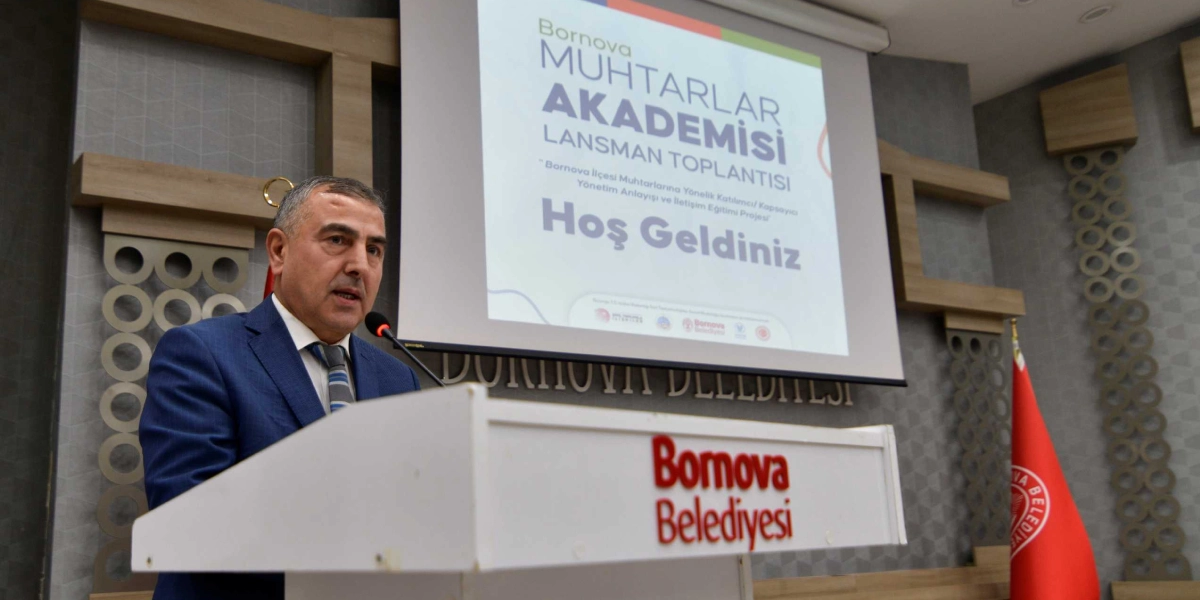
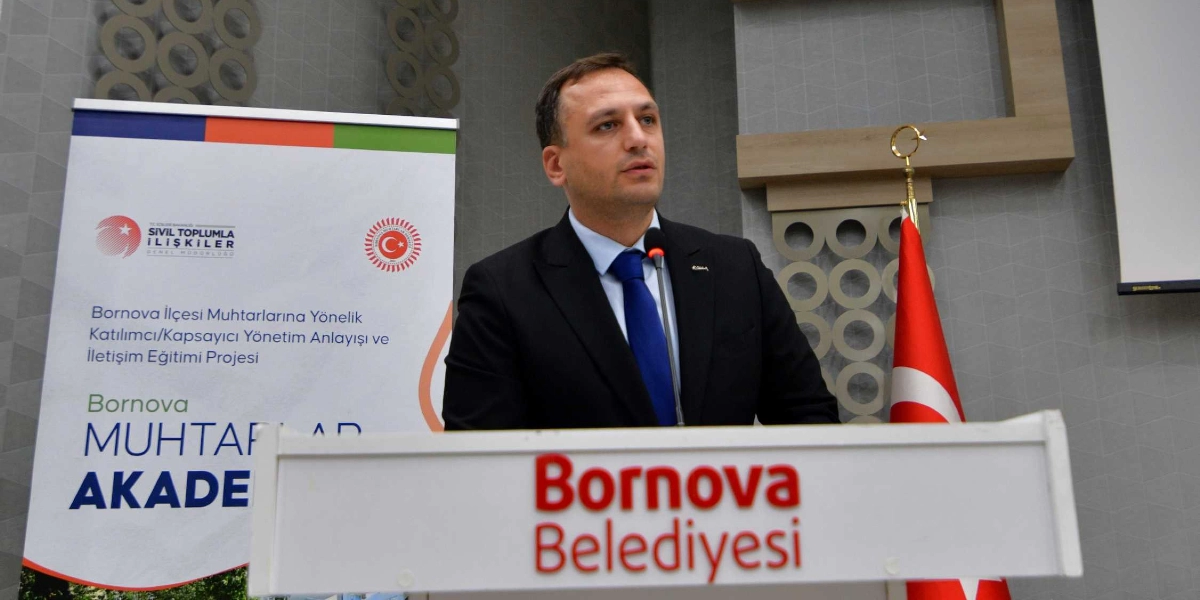
Toplantıya Bornova Belediye Başkanı Ömer Eşki, Bornova Kaymakamı Muzaffer Şahiner, Yaşar Üniversitesi Rektörü Prof. Dr. Levent Kandiller, muhtar dernekleri, STK temsilcileri, ilçe bürokratları, akademisyenler ve öğrenciler katıldı.
Kaymakam Şahiner: “Bornova’daki kurumların uyumu ve işbirliği örnek teşkil ediyor”
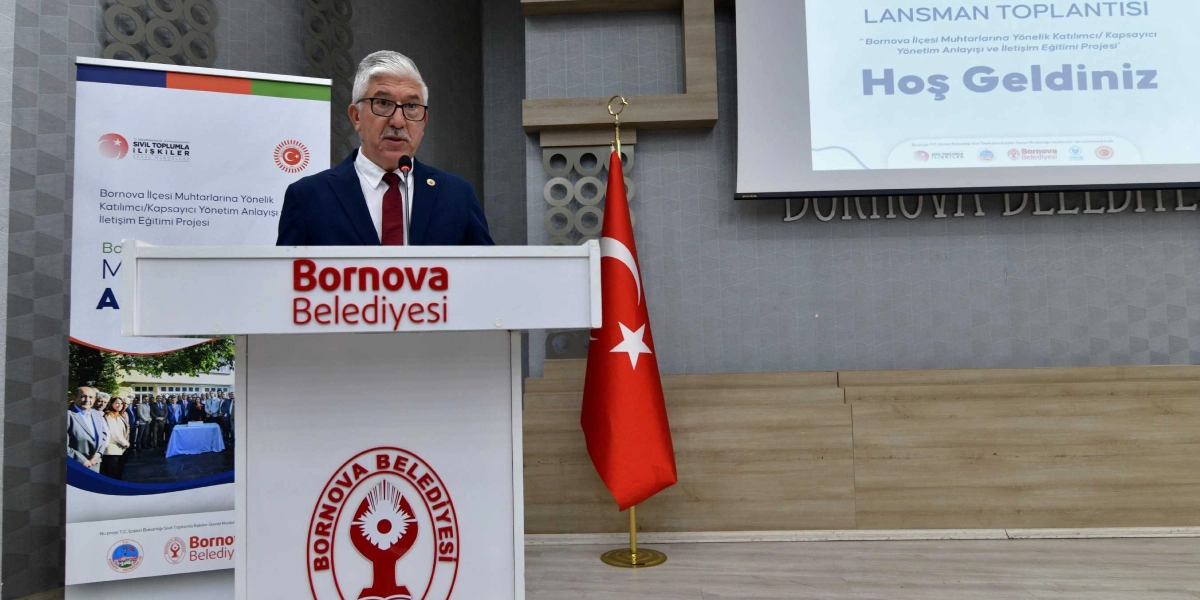
Bornova Kaymakamı Muzaffer Şahiner, projenin ilçe için büyük bir kazanım olduğunun altını çizerek; “Böylesine değerli bir projenin sac ayağı olmaktan onur ve gurur duyuyoruz. Muhtarlarımızın iletişim becerilerini güçlendirecek bu program, kamu hizmetinin kalitesini artırma yolunda önemli bir adım. Hepimizin iletişim alanında eksikleri var; vatandaşla ilişkilerimizde doğru iletişim kurmak, hizmetin etkinliğini belirleyen en temel unsurlardan biri. Bu nedenle muhtarlarımızın bu projeye ilgi göstermesini çok önemsiyoruz.” değerlendirmesinde bulundu.
Kaymakam Şahiner, Bornova’daki kurumlar arası işbirliğinin Türkiye’ye örnek olduğuna da şu sözlerle dikkat çekti: “Belediyemiz, kaymakamlığımız ve üniversitemiz bir elin parmakları gibi aynı amaca hizmet ediyor. Bu uyum sayesinde ilçemizde başaramayacağımız hiçbir şey yok. Deprem riski nedeniyle yıkılan okulların alanını belediyemiz otopark olarak düzenleyecek; bu bile koordinasyonun ne kadar güçlü olduğunu gösteriyor. Bu projede emeği geçen tüm paydaşlara teşekkür ediyorum.”
Başkan Eşki: “Muhtarlık kurumunu dijitalleşmiş, güçlü ve akademik temele sahip bir yapıya dönüştürüyoruz”
Bornova Belediye Başkanı Ömer Eşki, projenin Türkiye’de muhtarlık kurumuna yönelik en kapsamlı eğitim programlarından biri olduğuna dikkat çekerek “Çok önemli bir iş yaptığımızı düşünüyorum. Çünkü günümüzde akademik bir tabanı olmayan, dijital dönüşümünü tamamlamayan hiçbir kurum süreçlerini sağlıklı bir şekilde sürdüremez. Bir depremde ayakta kalan binaların ortak noktası mühendislikten, bilimsel temelden geçmeleridir. Kurumlar için de durum aynıdır: Dijitalleşen, hafızası olan, kurumsal kimliğini güçlendiren yapılar ayakta kalır.” diye konuştu.
Projenin nihai amacının vatandaşın aldığı hizmeti güçlendirmek olduğunu belirten Eşki, “Muhtarlıklarımızın, belediyelerimizin, kaymakamlığımızın ve valiliğin aynı zeminde, aynı bilgi düzeyi ve aynı iletişim kalitesiyle ilerlemesini hedefliyoruz. Vatandaşın kamu hizmetinden doğru, akılcı ve bilimsel yöntemlerle yararlanması bizim en temel önceliğimizdir. Bornova Muhtarlar Akademisi de bunu sağlayacak önemli bir adım. Bu ve bunun gibi projelerin toplumumuza gerçek anlamda fayda sağlayacağına inanıyorum. Bornova’da katılımcı, kapsayıcı ve dijitalleşmiş bir yerel yönetim modelini hep birlikte inşa edeceğiz. Emeği geçen herkese teşekkür ediyorum.” Dedi.
Rektör Kandiller: “Odak noktamız katılımcılık, kapsayıcılık ve sürdürülebilirlik”
Yaşar Üniversitesi Rektörü Prof. Dr. Levent Kandiller, projenin eğitim boyutunda yer almaktan büyük mutluluk duyduklarını belirterek şu açıklamalarda bulundu: “Bu proje hem merkezi yönetimi, hem yerel yönetimleri, hem sivil toplumu, hem de akademiyi bir araya getiriyor. Eğitim modellerimizi tasarlarken katılımcılık, kapsayıcılık ve sürdürülebilirlik temel ilkelerimizi oluşturdu. Muhtarlarımız her zaman yanımızda duran, mahallemize sahip çıkan temsilcilerimiz. Onların yönetim ve iletişim becerilerine katkı sunmak bizim için çok değerli.”
Turgay Esen: “Halka hizmet bu projeyle profesyonelleşiyor”
İzmir İl Sivil Toplum ile İlişkiler Müdürü Turgay Esen, kamunun ilk hizmet ayağı olan muhtarlık müessesinin çok önemli olduğunu vurgulayarak, “Bu harika bir proje. Türkiye çapında muhtarlara yönelik ilk kez böyle bir proje hayata geçiriliyor ve üniversitenin akademik desteği bu projenin kurumsallaşmasında büyük önem arz ediyor. Halka hizmet bu projeyle profesyonelleşiyor” diye konuştu.
Zeki Güler: “Türkiye’de ilk kez ilçemizde uygulanacak bir model”
Bornova Muhtarlar Derneği Başkanı Zeki Güler, muhtarlık kurumuna yeni bir vizyon kazandıracak projeye verilen desteğin önemine vurgu yaparak,
“Yerel yönetimlerin ve kamunun bel kemiği olan muhtarlık kurumuna yönelik Türkiye’de ilk olacak kapsamlı bir projenin Bornova’da hayata geçmesinden gurur duyuyoruz. Tüm paydaşlarımıza teşekkür ediyorum.” İfadelerini kullandı.
6 aylık akademik eğitim programı başladı
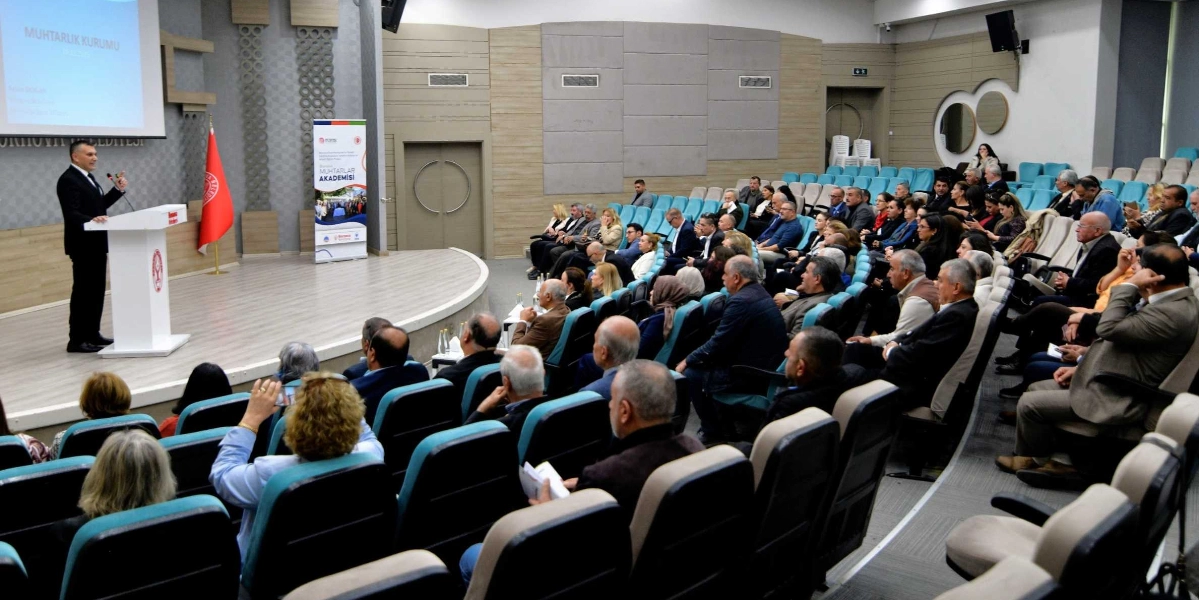
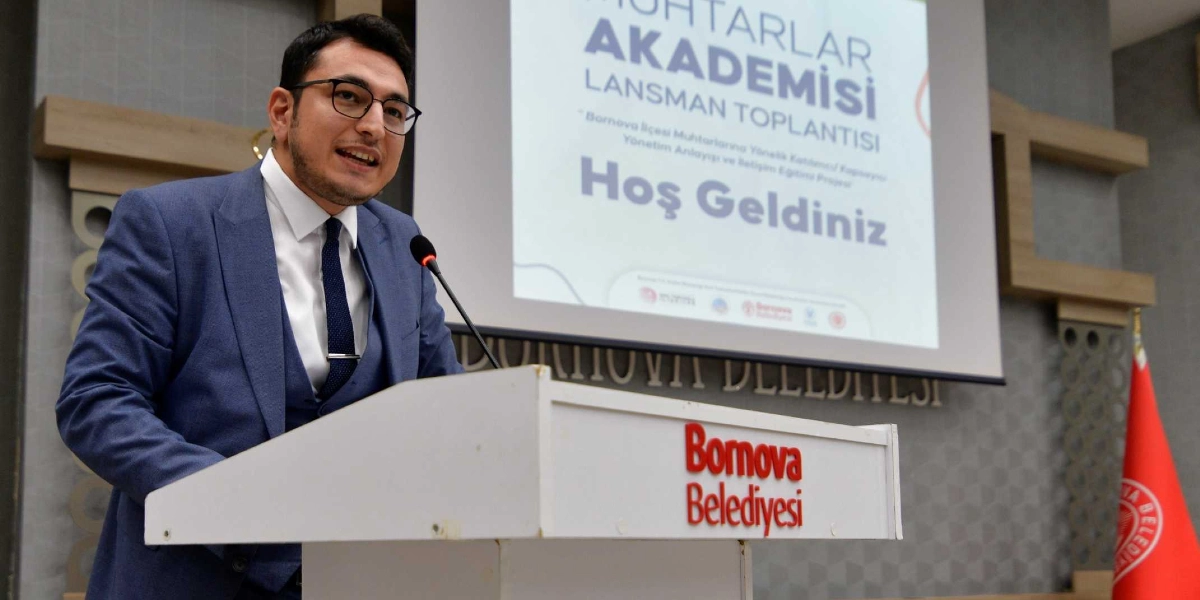
Bornova Belediyesi Muhtarlık İşleri Müdürü Şahin Doğan tarafından projenin tanıtım sunumu yapılırken, Yaşar Üniversitesi Hukuk Fakültesi Dekan Yardımcısı Doç. Dr. Onur Kaplan, “Mahalle Muhtarlarının Kapsayıcı/Katılımcı Yönetim Açısından Hukuki Rolü” başlıklı bir sunum gerçekleştirdi.
45 mahalle muhtarının yer alacağı akademik eğitimlerde şu başlıklarda 6 ay boyunca dersler verilecek:
- Dijital Okuryazarlık
- Temel Bilgisayar ve İnternet Kullanımı
- Etkili Sosyal Medya Yönetimi ve Dijital İletişim
- Online Toplantılar ve Veri Güvenliği
- Topluluk Önünde Konuşma, Dinleme ve Not Alma Teknikleri
- Etkili Toplantı ve Zaman Yönetimi
- Halkla İlişkiler ve Etkili İletişim
- Diksiyon, Hitabet ve İkna Kabiliyeti
Proje sonunda muhtarların bireysel, mesleki ve kurumsal iletişim becerilerinin gelişmesi; vatandaşlarla, kamu kurumlarıyla ve yerel yönetimle daha güçlü ve etkili bir iletişim kurmaları hedefleniyor.